
Category: Pharmacy and Medication - Page 2

FDA Listing for Biosimilars: How They Are Evaluated and Approved
The FDA doesn't rate biosimilars like generics. Instead, it uses a strict, science-based process to ensure they're highly similar to reference biologics with no clinically meaningful differences. Learn how approval works, why they're not cheaper than expected, and what makes them different from generics.

Medications and Work Safety Risks: What Workers Need to Know
Workers taking opioids or benzodiazepines face higher injury risks, while healthcare staff handling chemotherapy drugs risk long-term health effects. Learn how exposure happens, what protections exist, and what needs to change.

Citrus Fruits and Calcium Channel Blockers: What You Need to Know
Grapefruit can dangerously increase levels of certain blood pressure medications like felodipine and amlodipine, leading to low blood pressure, dizziness, or falls. Learn which citrus fruits to avoid and safer alternatives for managing hypertension.

Why the First Generic Filer Gets 180-Day Exclusivity in the U.S. Drug Market
The first generic drug company to file a patent challenge gets 180 days of exclusive sales - but this rule is often exploited to delay cheaper drugs. Here's how it works, who benefits, and why reform is overdue.

Prescription Insurance Coverage: Key Questions to Ask Your Plan
Knowing what your prescription insurance covers can save you thousands. Learn the key questions to ask your plan about formularies, out-of-pocket costs, pharmacy networks, and coverage gaps to avoid surprise bills.
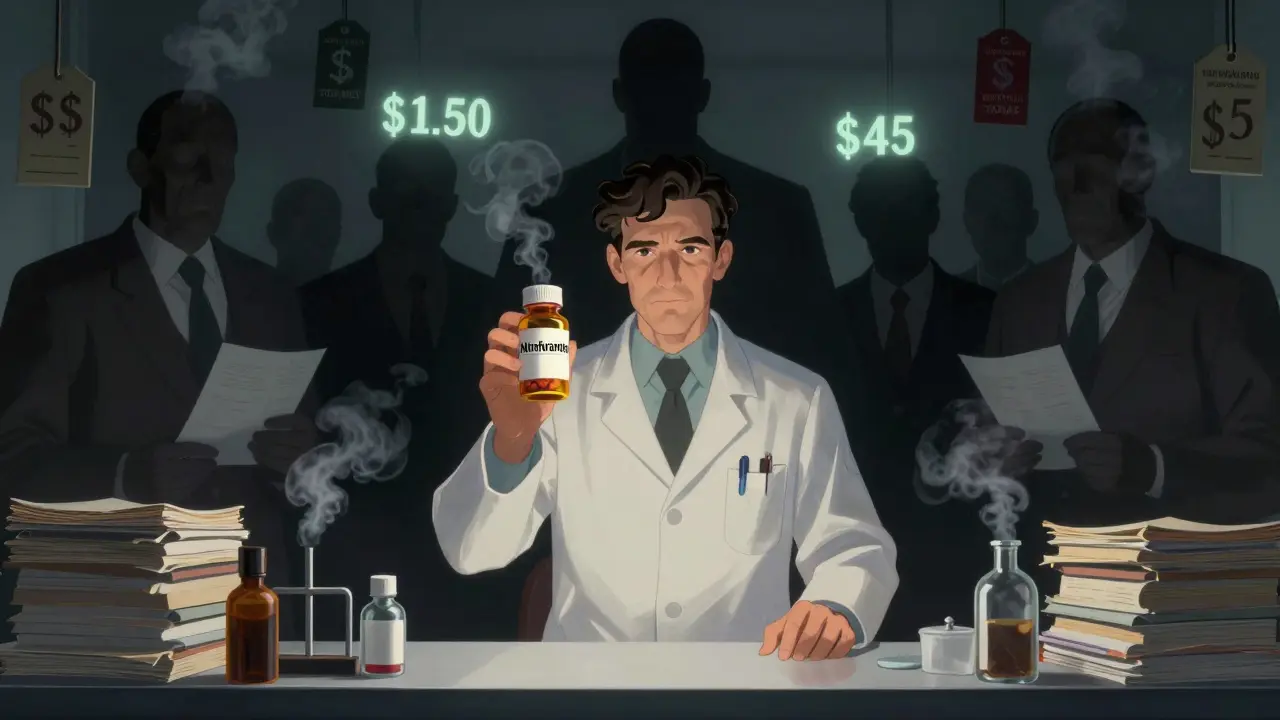
Generic Drug Prices Over Time: Year-by-Year Changes and What’s Really Happening
Generic drug prices don’t follow a steady trend - they jump, crash, and spike based on competition, supply, and corporate decisions. Here’s what’s really happening year by year.
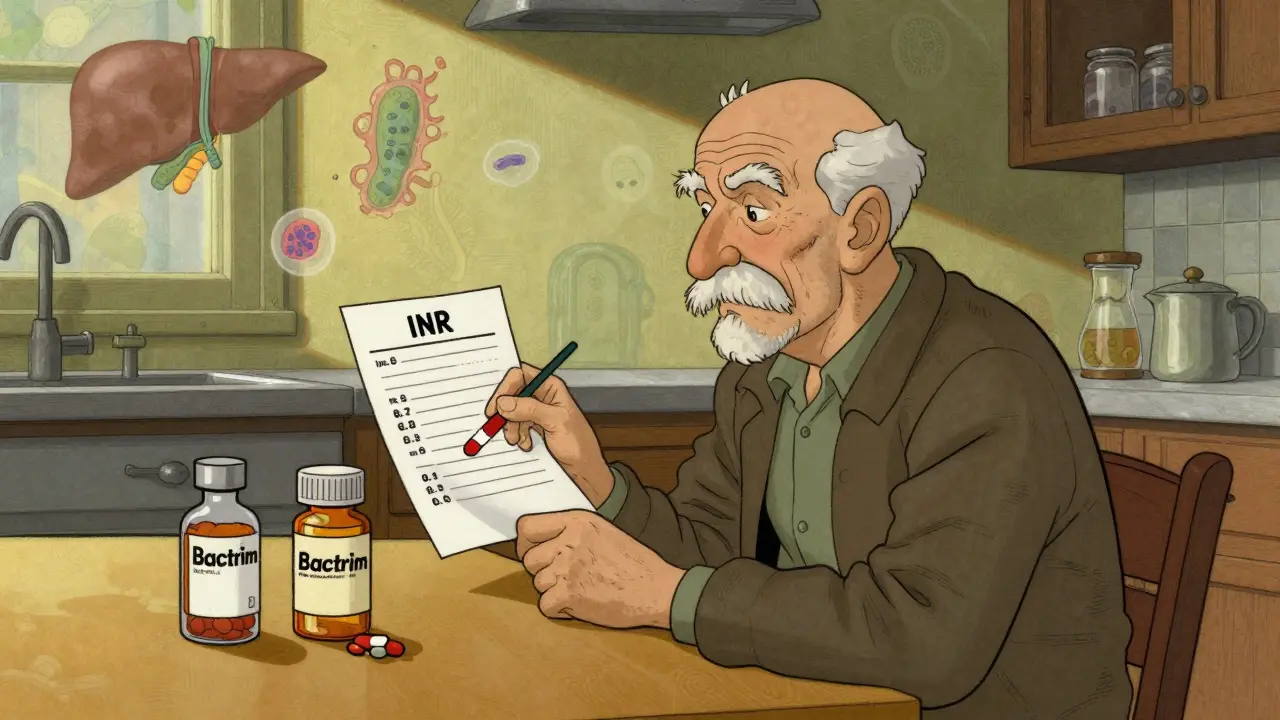
Trimethoprim-Sulfamethoxazole and Warfarin: Why INR Rises and How to Stay Safe
Trimethoprim-sulfamethoxazole can cause dangerous INR spikes in warfarin users, raising bleeding risk. Learn why this happens, who’s at risk, and how to stay safe with clear, practical steps.

Pediatric Exclusivity: How the FDA Extends Market Protection for Drug Companies
Pediatric exclusivity gives drugmakers six extra months of market protection after they study their medicines in children. It doesn't extend patents-but it blocks generics anyway. Here's how it works.
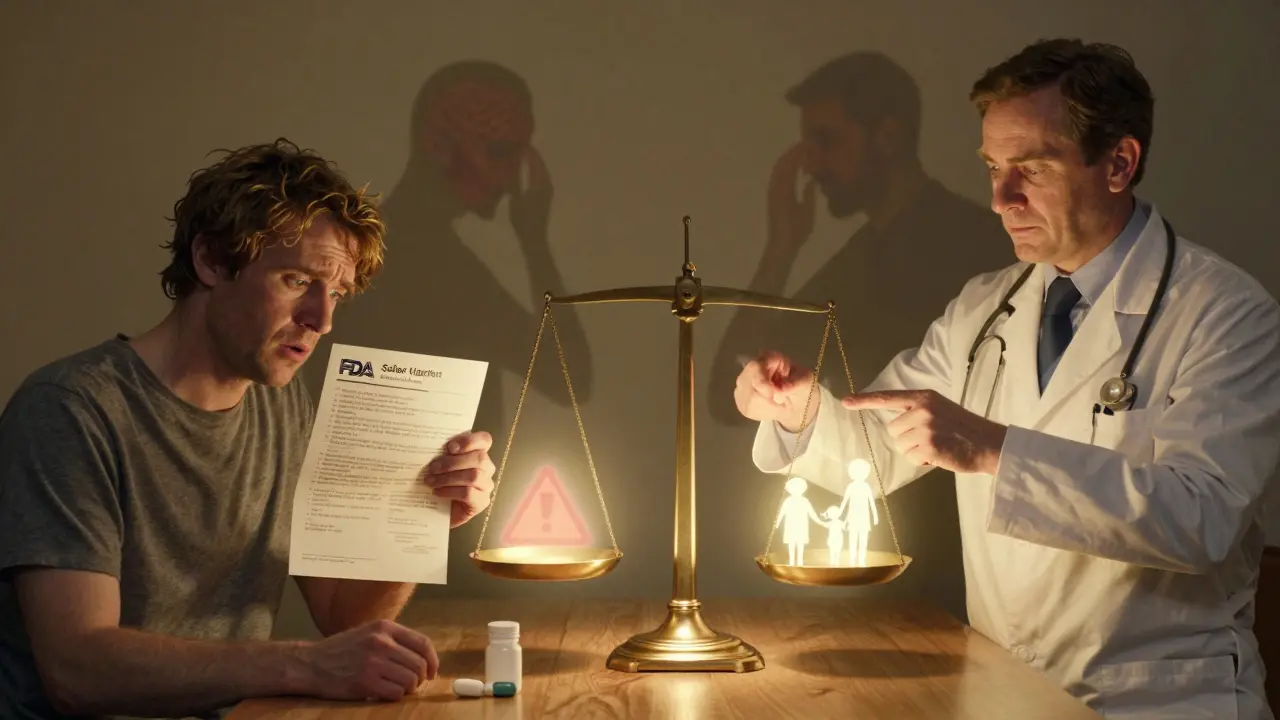
How to Interpret Risk vs. Benefit in FDA Safety Announcements
Learn how to read FDA safety alerts without panic. Understand the difference between potential signals and confirmed risks, why numbers matter, and how to make smart decisions about your medication.

Hospital Formulary Economics: How Institutions Choose Generic Drugs
Hospitals choose generic drugs based on clinical safety, total cost, and reliability-not just price. Learn how Pharmacy and Therapeutics committees make formulary decisions and why the cheapest option isn't always the best.