
Why the First Generic Filer Gets 180-Day Exclusivity in the U.S. Drug Market
 Feb, 23 2026
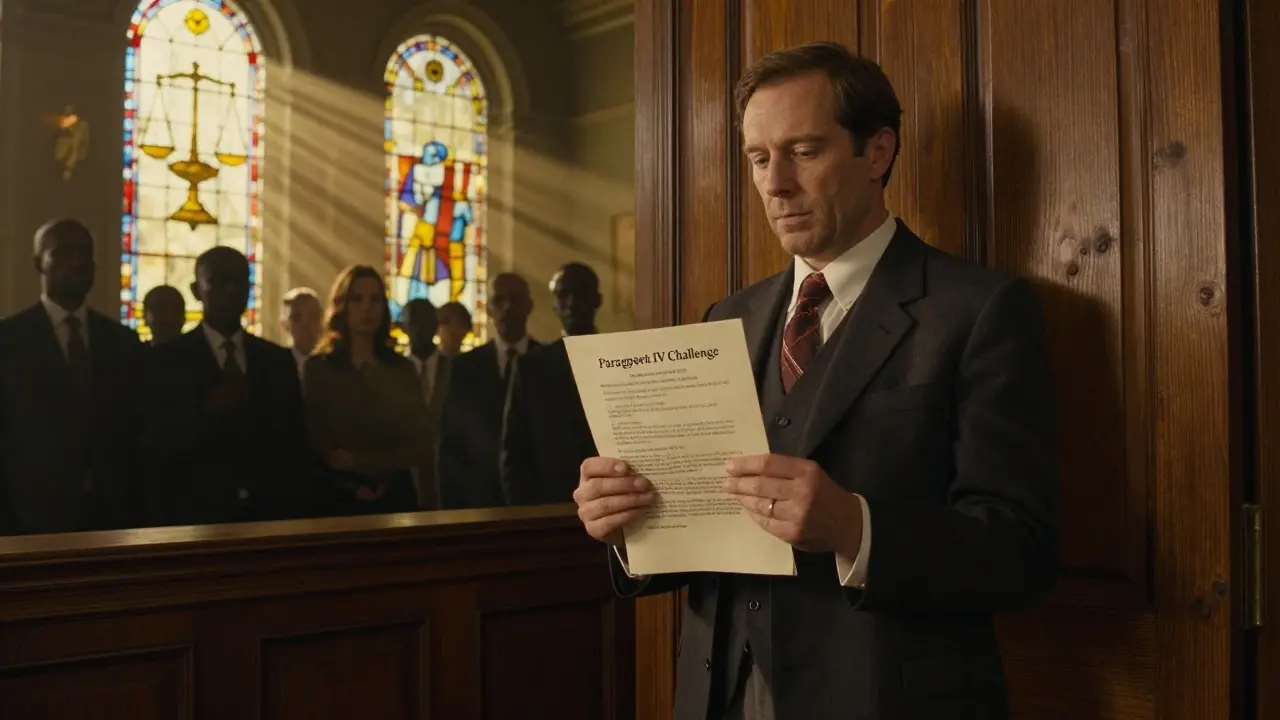
The U.S. generic drug market runs on a single, powerful rule: the first generic company to file a challenge gets 180 days of exclusive sales. It’s not about being first to market. It’s not about being first to get approval. It’s about being first to file. And that one move can mean hundreds of millions - sometimes billions - in revenue. This isn’t a loophole. It’s the law. Written in 1984. Still in effect today.
How the 180-Day Clock Starts
The rule comes from the Hatch-Waxman Act, passed in 1984. Its goal was simple: let generic drugs reach patients faster, without killing innovation. The system lets generic makers file an Abbreviated New Drug Application (ANDA) to copy a brand-name drug. But here’s the twist: if they challenge a patent, they get a reward.
That reward? 180 days where no other generic can enter the market. Not one. Not even if they’ve already made the pill, tested it, and got FDA approval. The FDA literally can’t approve another ANDA for the same drug until those 180 days are up. And the clock doesn’t wait. It starts the moment the first filer either:
- Starts selling the generic drug, or
- Wins a court ruling that the brand’s patent is invalid, unenforceable, or won’t be infringed
That second trigger is the game-changer. A generic company can file a lawsuit, win in court, and suddenly - even before FDA approval - the exclusivity clock starts ticking. The brand drug can’t be copied by anyone else. The market is frozen. And the first filer? They can sit on it. Wait. Delay. Even if they never sell a single pill.
Why This Creates a Massive Incentive
Imagine you’re a generic drug maker. You’ve spent two years and $8 million preparing to copy a blockbuster drug that brings in $3 billion a year. Your competitors are waiting. You file your ANDA with a Paragraph IV certification - a legal notice that says, “We believe this patent is broken.”
If you’re first? You get 180 days alone on the market. During that time, you’ll likely capture 70-80% of all generic sales. That’s not a guess. That’s what IQVIA data shows. For a drug like Copaxone, Teva made $1.2 billion in just six months during its exclusivity window. That’s not luck. That’s the system working exactly as designed.
But here’s the catch: the system also lets companies game it. Some first filers never launch. They win the court case, sit tight, and block everyone else. Why? Because the brand company might pay them millions to delay. These are called “reverse payment settlements.” The FTC estimates these cost consumers $3.5 billion a year. It’s legal. It’s controversial. And it’s common.
What Happens When No One Launches?
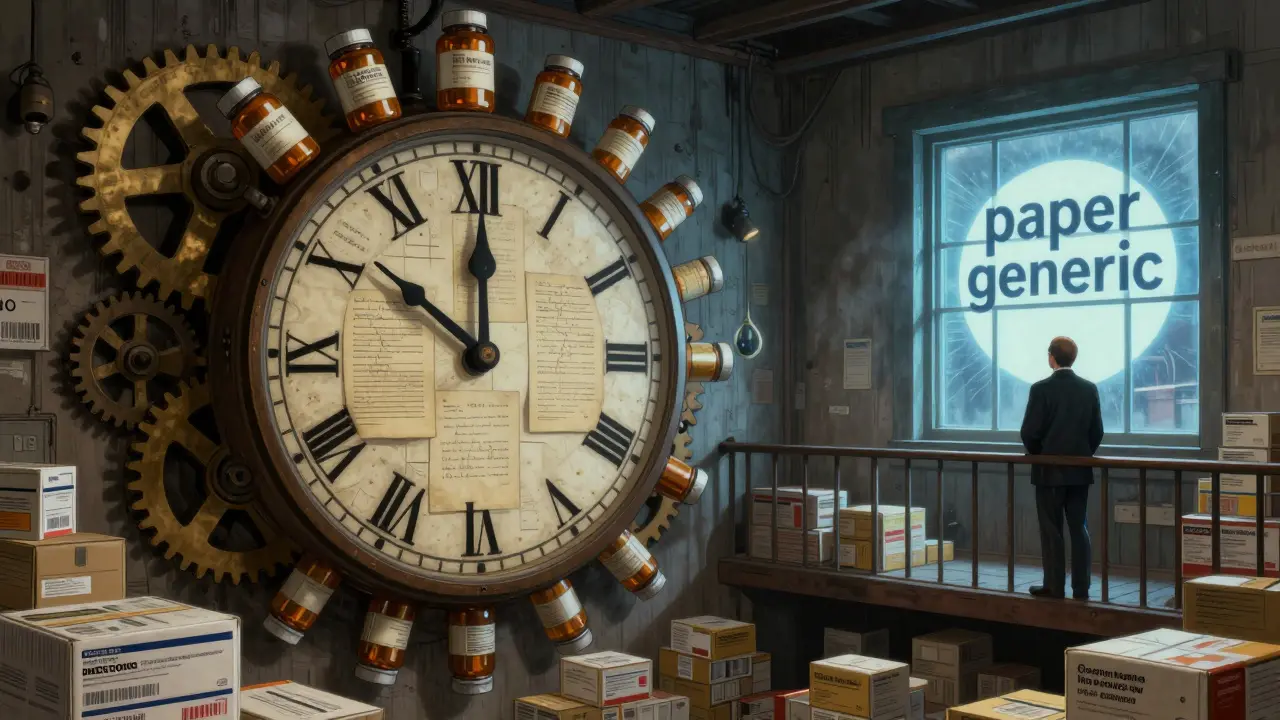
Since 2010, nearly half of all first-filer cases involved no actual launch. The generic sat on its exclusivity. No product hit shelves. No savings reached patients. But other companies couldn’t enter. The brand drug stayed alone - for months, sometimes years.
The FDA calls this a “paper generic.” It’s not a real drug. It’s a legal shield. And it’s been used to extend the brand’s monopoly by an average of 27 months beyond the 180-day window. That’s not a glitch. It’s a feature - of the current law.
For example, in 2017, Sanofi successfully argued that the first filer for insulin glargine had forfeited exclusivity by delaying too long. The result? Another two years of no generics. Patients paid full price. The system didn’t fail. It did exactly what it was designed to do - until it didn’t.
The New Rules Coming
The FDA has had enough. In 2022, they proposed a fix: make the exclusivity clock start only when the first filer actually starts selling. No more “paper generics.” No more court wins that freeze the market for years. The clock starts when the product hits pharmacy shelves - not when a judge says “go.”
This change would fix the biggest flaw. Right now, a company can win a lawsuit, do nothing, and still block competitors. Under the new rule? If you don’t sell, you don’t get exclusivity. Simple. Fair. That’s what the original Hatch-Waxman Act was meant to do: get cheap drugs to patients fast.
But big pharma is pushing back. They argue that changing this could hurt innovation. That if generics don’t have this reward, fewer will challenge patents. But data shows otherwise. The number of Paragraph IV filings has only grown since 1984. The system works - if it’s enforced properly.
Who Benefits? Who Loses?
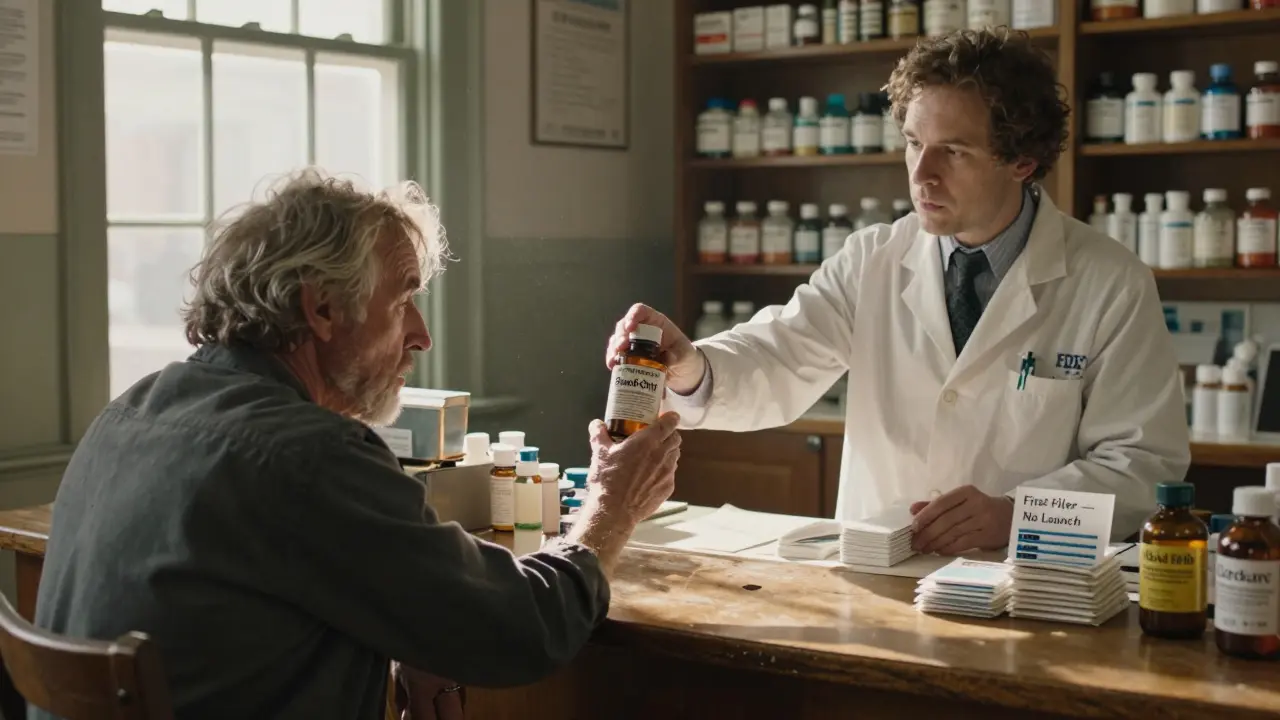
Big generic companies like Teva, Sandoz, and Viatris dominate this space. They have the lawyers, the money, the teams. They file 65% of all Paragraph IV challenges. Small companies? Only 15% use the FDA’s help programs. The cost? $5-10 million just to get ready. The legal fees? Up to $1,800 an hour for top lawyers.
Patients? They’re the ones who lose when exclusivity is delayed. In 2023, 90% of U.S. prescriptions were for generics - but only 22% of total drug spending. That’s savings. Billions. But when the first filer sits on exclusivity, those savings vanish. For months. For years.
Meanwhile, the brand companies? They don’t lose. They just wait. They might even launch their own “authorized generic” during the exclusivity period - selling the exact same drug under their own label. It’s legal. It’s profitable. And it keeps prices high.
What You Need to Know
If you’re a patient, a pharmacist, or a policymaker, here’s the bottom line:
- The 180-day exclusivity rule was built to speed up generic access.
- It’s been hijacked by legal tactics that delay competition.
- Real savings only happen when generics actually hit the market.
- Reform is coming - but it’s not here yet.
For now, the first filer still wins. Not because they’re the best. Not because they’re the fastest. But because the law says so. And until that law changes, patients will keep paying more than they should.
Shalini Gautam
February 24, 2026 AT 08:41And don’t even get me started on reverse payments. That’s just bribery with a law degree.
Erin Pinheiro
February 25, 2026 AT 17:40Brandice Valentino
February 26, 2026 AT 15:48Larry Zerpa
February 26, 2026 AT 22:24Ashley Johnson
February 27, 2026 AT 03:16tia novialiswati
February 27, 2026 AT 10:44Lillian Knezek
March 1, 2026 AT 00:47Christopher Brown
March 2, 2026 AT 21:31Sanjaykumar Rabari
March 3, 2026 AT 16:09Kenzie Goode
March 4, 2026 AT 04:07Dominic Punch
March 5, 2026 AT 13:19Valerie Letourneau
March 7, 2026 AT 07:15Khaya Street
March 8, 2026 AT 01:37Christina VanOsdol
March 8, 2026 AT 10:44