
MyMedic-Rx: Your Guide to Medications - Page 2
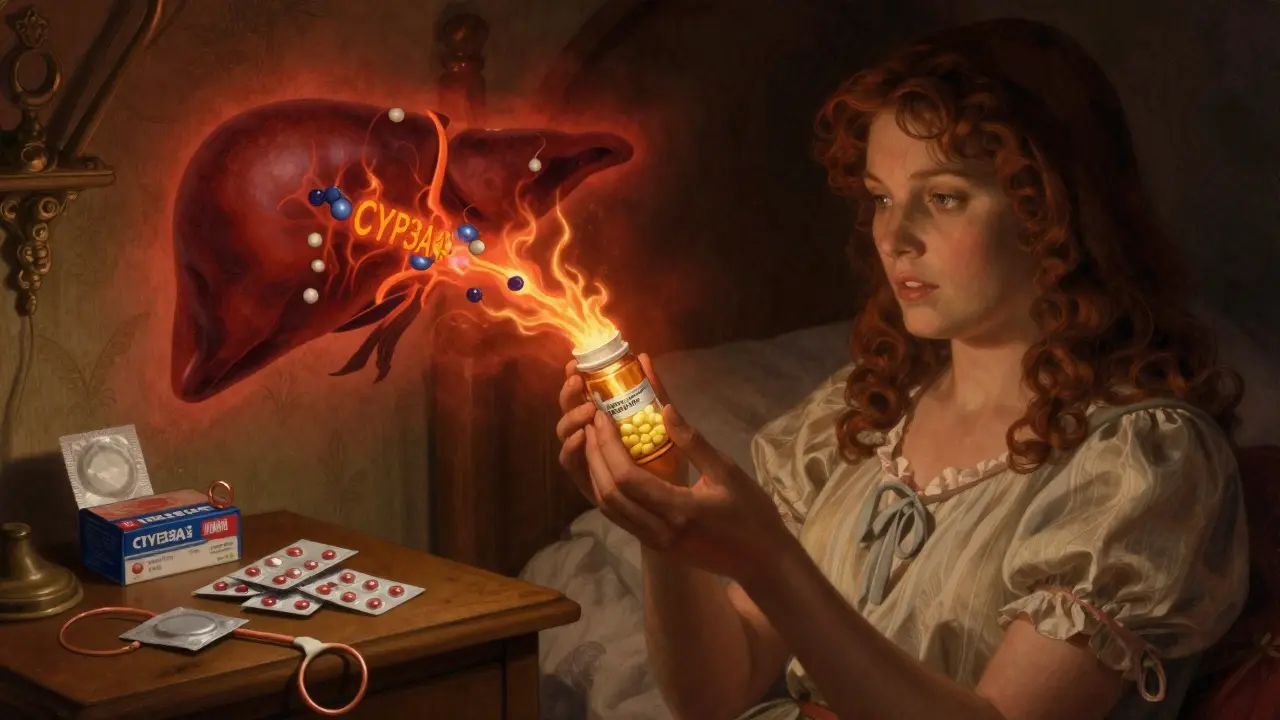
Rifampin and Oral Contraceptives: Why This Antibiotic Can Cause Birth Control Failure
Rifampin, a common TB antibiotic, can make birth control pills completely ineffective by speeding up hormone breakdown. Learn why this interaction is real, how it works, and what backup methods actually work.
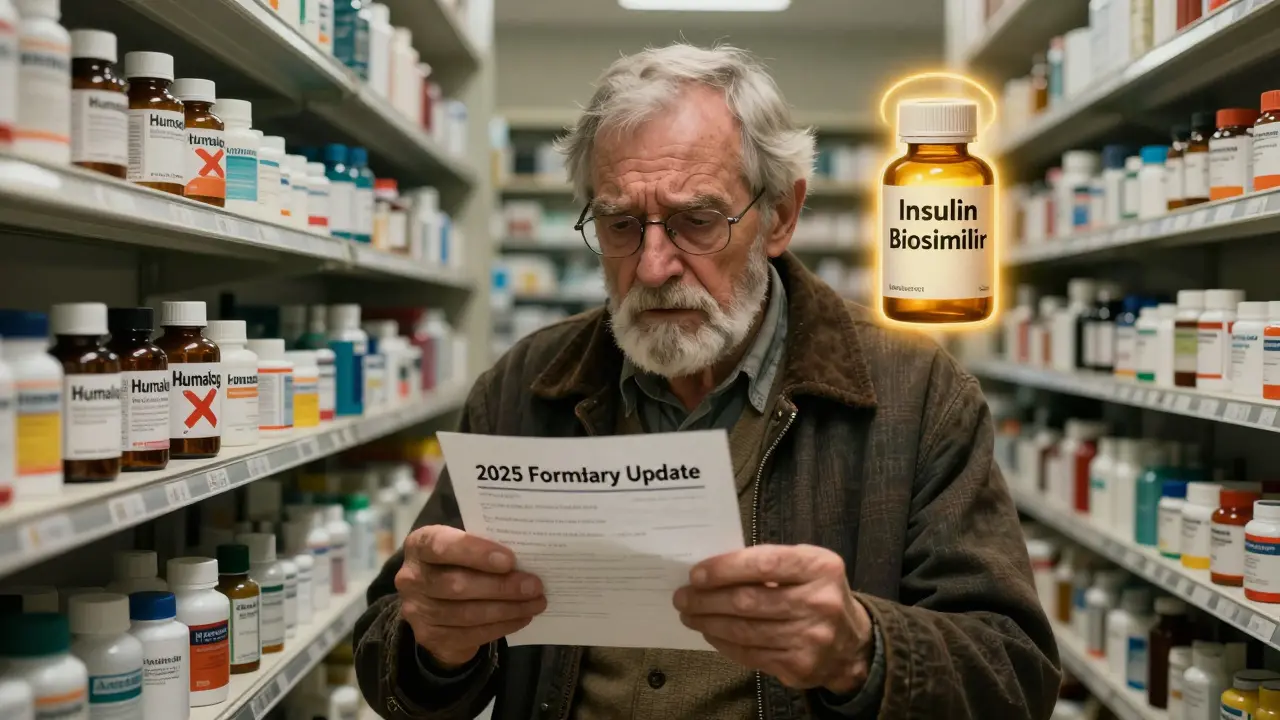
Insurance Changes and Generic Switching: How Formulary Updates Affect Your Prescription Costs
Insurance formulary updates in 2025 are pushing patients toward generics and biosimilars to cut costs. Learn how these changes affect your prescription bills, what drugs are being removed, and how to protect your access to medication.
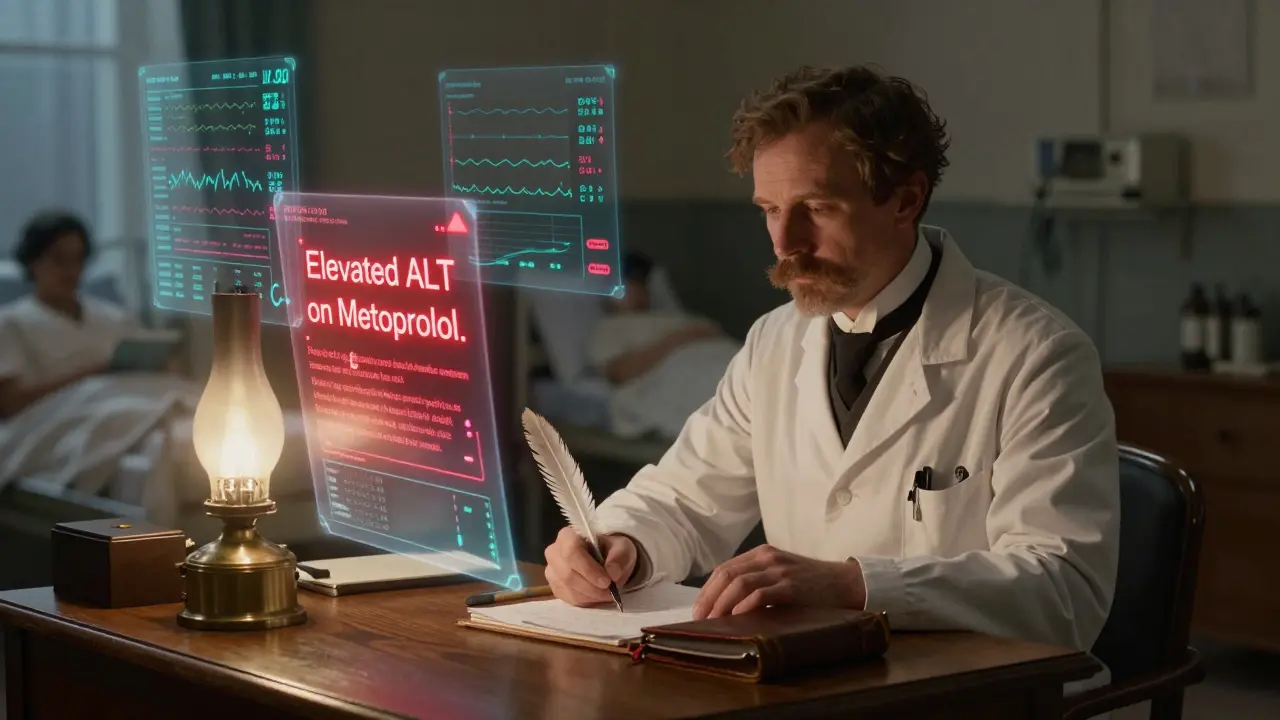
How to Use Clinician Portals and Apps for Drug Safety Monitoring
Clinician portals and apps now enable real-time drug safety monitoring by integrating with EHRs to detect adverse reactions faster. Learn how tools like Cloudbyz, Medi-Span, and PViMS work in practice-and why human judgment still matters most.

How to Confirm Pharmacist Notes and Counseling Points After Prescription Pickup
Learn how to confirm pharmacist counseling notes after picking up your prescription. Discover the best methods to access documentation, avoid common pitfalls, and protect yourself from medication errors.

Anaphylaxis from Medication: Emergency Response Steps You Must Know
Anaphylaxis from medication is a fast-moving emergency that requires immediate epinephrine, proper positioning, and urgent medical help. Knowing the steps can save a life.

Athlete Anti-Doping Rules: Prescription Medications and Side Effects to Consider
Athletes must navigate strict anti-doping rules when using prescription medications. Learn how to check if your meds are allowed, when to apply for a TUE, and the hidden risks of common treatments like asthma inhalers and ADHD drugs.

Linezolid and Tyramine: How to Avoid Hypertensive Crisis
Linezolid can cause a dangerous blood pressure spike if you eat tyramine-rich foods. Learn which foods to avoid, how long to wait after treatment, and how to stay safe while taking this powerful antibiotic.

How to Talk About Stopping or Tapering a Medication Safely
Learn how to safely talk to your provider about stopping or tapering medication. Understand why gradual reduction matters, how schedules vary by drug, and what communication makes tapering successful.

FDA Listing for Biosimilars: How They Are Evaluated and Approved
The FDA doesn't rate biosimilars like generics. Instead, it uses a strict, science-based process to ensure they're highly similar to reference biologics with no clinically meaningful differences. Learn how approval works, why they're not cheaper than expected, and what makes them different from generics.

Medications and Work Safety Risks: What Workers Need to Know
Workers taking opioids or benzodiazepines face higher injury risks, while healthcare staff handling chemotherapy drugs risk long-term health effects. Learn how exposure happens, what protections exist, and what needs to change.