
Anaphylaxis from Medication: Emergency Response Steps You Must Know
 Mar, 14 2026
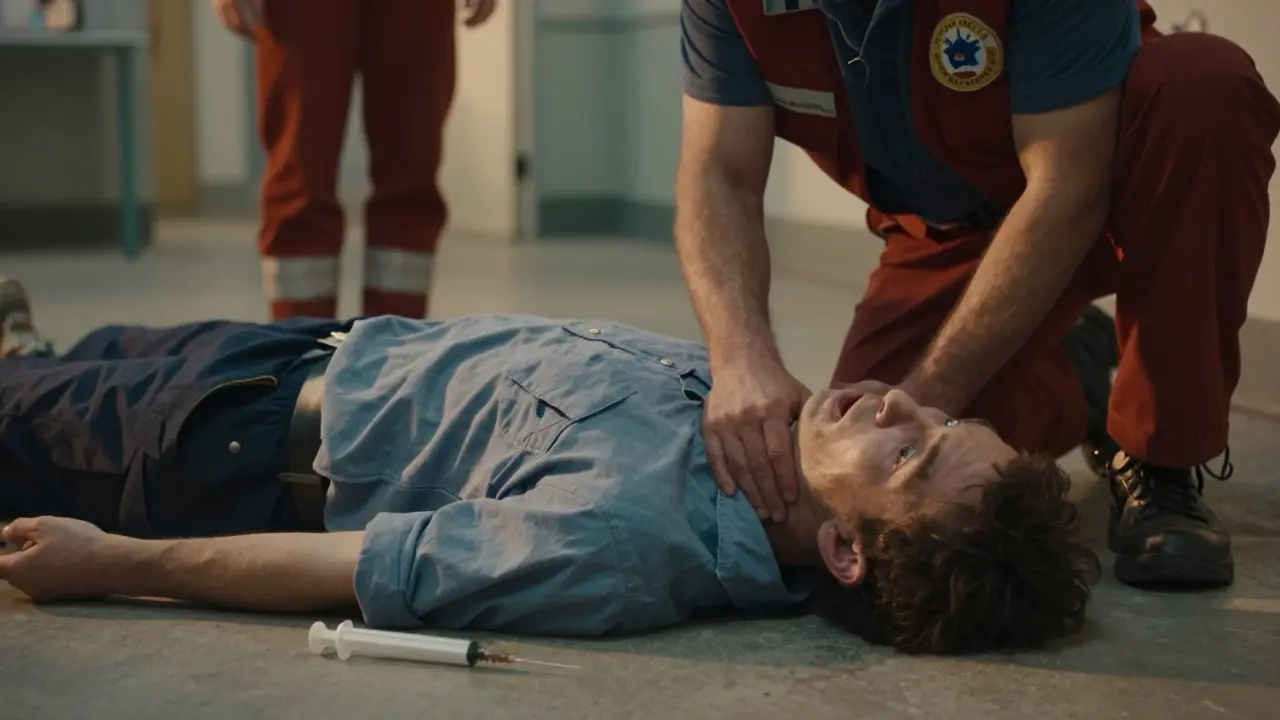
When a medication triggers anaphylaxis, seconds matter. This isn’t a slow-moving reaction - it’s a full-body emergency that can kill in under 10 minutes. And the worst part? Many people miss the signs until it’s too late. Anaphylaxis from drugs like penicillin, NSAIDs, or contrast dye doesn’t always start with a rash. Sometimes, it begins with a hoarse voice, a feeling of throat tightness, or sudden dizziness. In 1 in 5 cases, there’s no skin change at all. If you’re giving a shot, administering an IV, or even just handing someone a pill, you need to know what to do - and when to do it.
Recognize the Signs - Even the Hidden Ones
Anaphylaxis from medication doesn’t follow a script. It can hit fast, hard, and in unpredictable ways. The most common symptoms include:- Difficulty breathing or noisy, wheezy breaths (89% of cases)
- Swelling of the tongue or throat (76-82%)
- Hoarse voice or trouble talking (57%)
- Feeling faint, dizzy, or collapsing (49%)
- Pale, clammy skin - especially in children (33%)
- Persistent cough or choking sensation
Here’s the critical thing: you don’t need hives or a rash to diagnose anaphylaxis. About 10-20% of cases show no skin symptoms at all. If someone who just took a new medication starts having breathing or circulation problems - even without a visible reaction - treat it as anaphylaxis. Delaying because you’re waiting for a rash is a deadly mistake.
Step 1: Lay Them Flat - Immediately
The very first thing you do after recognizing symptoms? Get them lying flat. No exceptions. No “let’s sit them up” or “let’s help them walk to the chair.”Standing or even sitting upright during anaphylaxis increases the risk of sudden cardiac arrest by 15-20%. Blood pools in the legs, the heart can’t pump enough to the brain, and collapse becomes inevitable. Laying flat helps maintain blood flow to vital organs. If they’re unconscious, roll them onto their left side - especially if they’re pregnant. Pregnant patients need that left-lateral position to avoid pressure on the vena cava. For kids, keep them flat, not upright. For those struggling to breathe, let them sit with legs stretched out - but only if they can’t lie flat without worsening their breathing.
Step 2: Give Epinephrine - Now
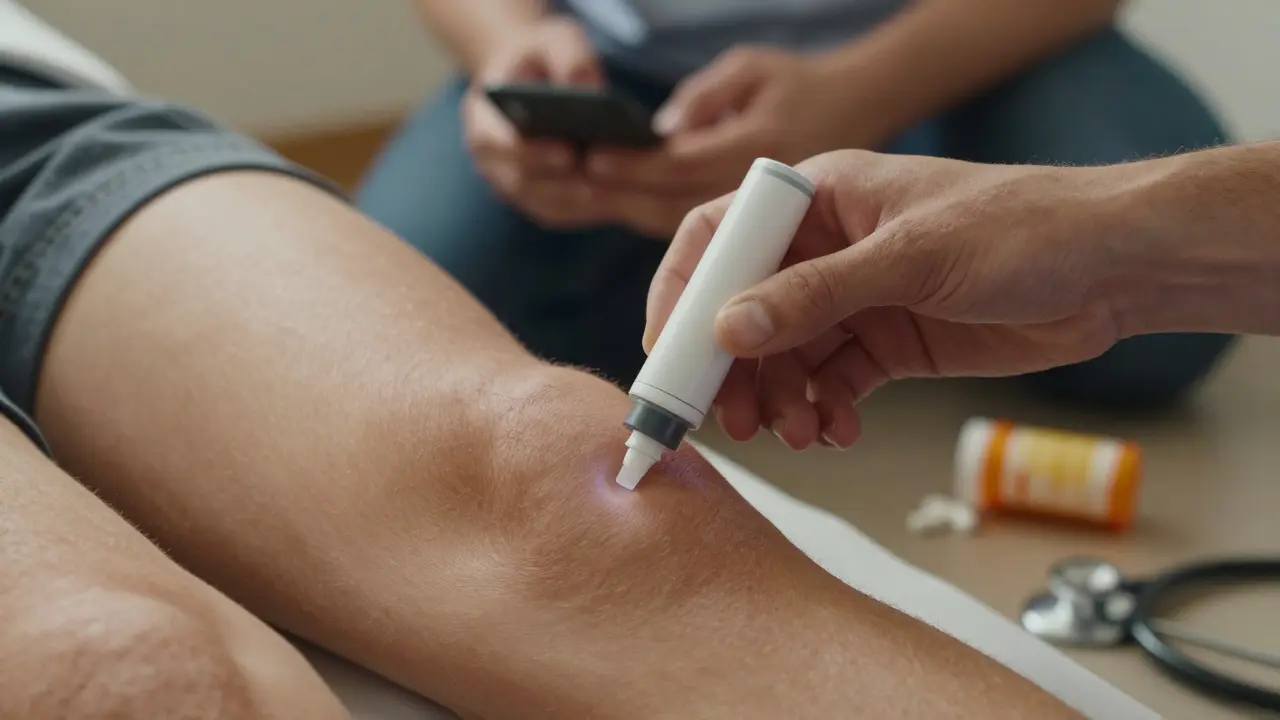
This is the one action that saves lives. Everything else comes after.Epinephrine is not optional. It’s not “nice to have.” It’s the only drug that reverses airway swelling, restores blood pressure, and stops the runaway immune response. The gold standard is an intramuscular injection into the outer thigh. Use an auto-injector - EpiPen, Auvi-Q, or Adrenaclick. Don’t waste time fumbling with vials or syringes.
Here’s the dosing:
- Adults and children over 30 kg (66 lbs): 0.3 mg
- Children 15-30 kg (33-66 lbs): 0.15 mg
Inject, hold for 10 seconds, then remove. Don’t massage the area. The goal is rapid absorption into the bloodstream. If you’re unsure - give it anyway. The Australian Society of Clinical Immunology and Allergy (ASCIA) says it plainly: “If in doubt, give adrenaline.” Between 2015 and 2020, 35% of preventable deaths happened because someone hesitated.
Epinephrine starts working in 1-5 minutes. But its effect lasts only 10-20 minutes. That’s why the next step is non-negotiable.
Step 3: Call Emergency Services - Right Away
Don’t wait to see if it gets better. Don’t call a family member first. Don’t drive them to the hospital yourself. Call 911 (or your local emergency number) immediately after giving epinephrine.Why? Because the reaction can come back - harder. Up to 20% of anaphylaxis cases have a biphasic reaction, where symptoms return 1-72 hours later. This is more common with drug-induced anaphylaxis than food-related. Hospitals need to monitor patients for at least 4 hours. Some high-risk cases, especially from medications, now require 6-8 hours of observation based on 2024 draft guidelines.
Step 4: Be Ready for a Second Dose
If symptoms don’t improve after 5 minutes - or if they get worse - give a second dose of epinephrine. Same location. Same dose. Repeat every 5-10 minutes if needed. This isn’t rare. In 5-10% of cases, patients need more than one dose.Some people worry about giving too much. But here’s the data: out of 35,000 epinephrine doses given for anaphylaxis between 2015 and 2020, only 0.03% caused serious heart problems. The risk of not giving it is far greater.
What NOT to Do
There are myths about anaphylaxis that get people killed. Here’s what you must avoid:
- Don’t give antihistamines first. Benadryl might help a itchy rash, but it does nothing for breathing or blood pressure. It won’t stop death.
- Don’t use corticosteroids as a first-line treatment. Steroids like prednisone or hydrocortisone were once routine. Now, major guidelines (including Cleveland Clinic’s 2023 update) say they have no proven benefit in acute anaphylaxis. They might help prevent late reactions, but they won’t save someone right now.
- Don’t wait for a doctor. If you’re in a hospital, and the nurse hesitates because “we need to confirm,” you’re already losing time. The average time from symptom recognition to epinephrine in hospitals is over 8 minutes - 65% of cases miss the 5-minute window. That’s why guidelines say: epinephrine before diagnosis.
Special Considerations for Medication-Induced Reactions
Drug-induced anaphylaxis has unique risks:
- Antibiotics cause 45% of fatal cases. Penicillin is the biggest offender.
- NSAIDs like ibuprofen or aspirin cause 25% - even in people who’ve taken them before without issue.
- Neuromuscular blockers during surgery account for 15% of drug-related deaths.
- Patients on beta-blockers (common for high blood pressure or heart conditions) may need higher epinephrine doses. These drugs blunt epinephrine’s effect. In these cases, 2-3 times the standard dose may be needed - but only under medical supervision.
- Obese patients (BMI >30) may not absorb epinephrine well with standard dosing. New research suggests dosing by BMI, not just weight, could improve outcomes.
And here’s something new: in May 2023, the FDA approved the Auvi-Q 4.0 - the first epinephrine auto-injector with voice guidance. Clinical trials showed untrained users improved their correct use from 63% to 89%. If you or someone you know carries an auto-injector, check if it’s outdated. Newer models can help reduce panic-induced mistakes.
Common Mistakes - And How to Avoid Them
Even trained people mess up. Here’s what goes wrong:
- Injecting into fat, not muscle. 18% of injections land in the wrong layer. Make sure you’re injecting into the thick outer thigh muscle.
- Not holding the injector long enough. 37% of users pull it out too soon. Hold for 10 full seconds.
- Letting the patient stand. 55% of bystanders do this. It’s a direct path to cardiac arrest.
- Delaying because of fear. 42% of nurses admit to hesitating due to fear of side effects or legal trouble. Epinephrine is safe. Not giving it is not.
Practice with a trainer device. Know how your auto-injector works. Teach family members. Keep one in your bag, your car, your office. If you’ve been prescribed one - never let it expire.
After the Emergency
Even if the person seems fine after epinephrine, they still need to go to the hospital. Biphasic reactions can hit hours later. And if this was a medication reaction, they need allergy testing. A specialist should identify the trigger so they can avoid it forever.
They should also get a written action plan, a prescription for two epinephrine auto-injectors, and education on how to use them. Many people carry them - but only 41% feel confident using them. That’s not enough. Confidence saves lives.
Can anaphylaxis happen hours after taking a medication?
Yes. While most reactions occur within minutes, up to 20% of cases experience a second wave of symptoms 1 to 72 hours later. This is called a biphasic reaction and is more common with drug-induced anaphylaxis than food-related cases. That’s why hospital observation for at least 4 hours is mandatory.
Is it safe to use epinephrine if I’m not sure it’s anaphylaxis?
Yes. The risks of giving epinephrine are extremely low - less than 0.03% of cases result in serious side effects. The risk of not giving it when it’s needed is death. Guidelines from the Resuscitation Council UK and ASCIA say: if in doubt, give it. Delay is the leading cause of preventable deaths.
Why can’t I just give Benadryl for anaphylaxis?
Benadryl (diphenhydramine) only treats skin symptoms like itching or hives. It does nothing to open airways, raise blood pressure, or stop the immune system’s life-threatening response. Using it instead of epinephrine is like putting a bandage on a ruptured artery. It’s a dangerous delay that increases the chance of death.
What if the person is unconscious and I don’t have an auto-injector?
Call emergency services immediately. If you’re in a hospital or clinic, trained staff should have epinephrine available. If you’re outside, and no auto-injector is available, continue CPR if they’re not breathing and keep them flat. Emergency responders will carry epinephrine and IV fluids. Do not attempt to give oral medications or try to find someone’s personal medication - time is too critical.
Can you survive anaphylaxis without epinephrine?
It’s possible, but extremely rare and dangerous. Over 70% of fatal anaphylaxis cases involve delayed or no epinephrine. Without epinephrine, the body can’t fight airway swelling or circulatory collapse. Even with advanced medical care, survival rates drop sharply without timely epinephrine. It’s the only medication that directly reverses the life-threatening mechanisms of anaphylaxis.
Dylan Patrick
March 16, 2026 AT 05:18Kathy Leslie
March 16, 2026 AT 19:43Richard Harris
March 17, 2026 AT 06:04Kandace Bennett
March 17, 2026 AT 07:57Tim Schulz
March 17, 2026 AT 19:11Jinesh Jain
March 18, 2026 AT 18:27douglas martinez
March 19, 2026 AT 07:37Shruti Chaturvedi
March 20, 2026 AT 20:50Katherine Rodriguez
March 21, 2026 AT 13:33Devin Ersoy
March 21, 2026 AT 19:16