
How to Use Clinician Portals and Apps for Drug Safety Monitoring
 Mar, 17 2026
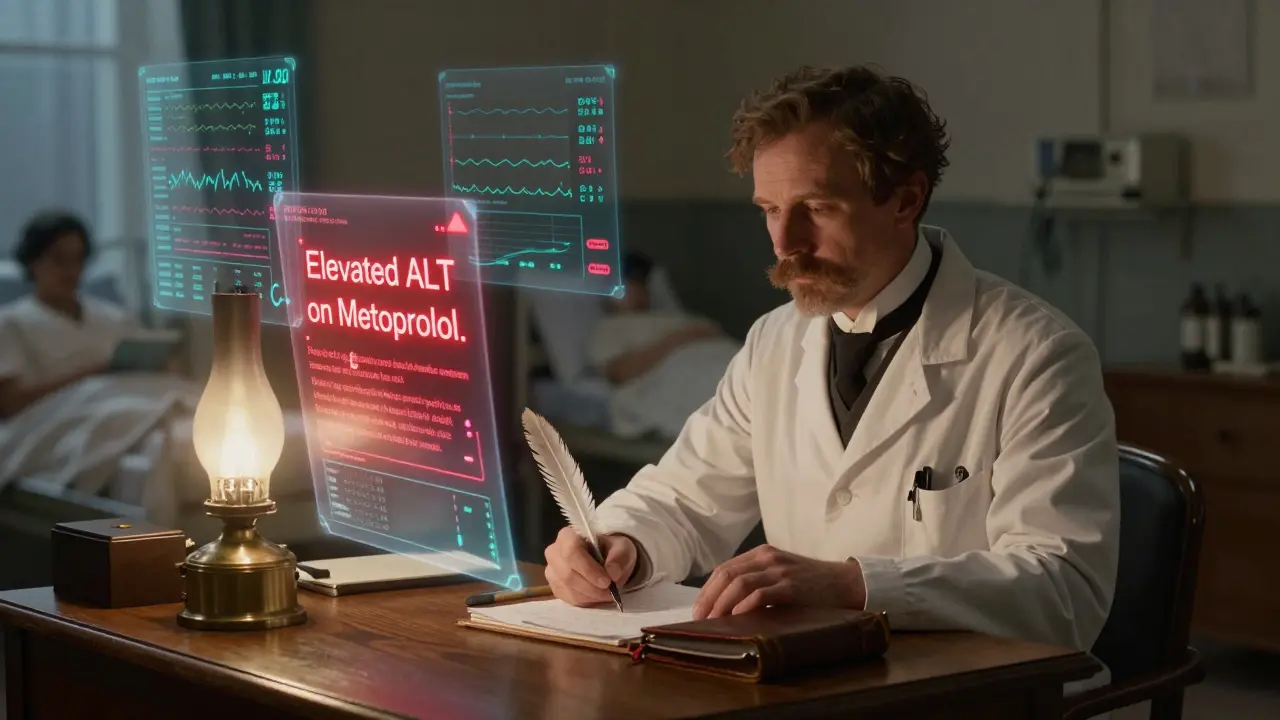
Drug safety monitoring isn't just about filling out forms after a patient has a bad reaction. It's about catching problems before they spread. In the past, safety reports were paper-based, mailed in, and filed away. It could take months to spot a pattern. Today, clinician portals and apps turn real-time clinical data into early warnings. They don’t replace your judgment-they give you better tools to make it faster and smarter.
What These Tools Actually Do
Clinician portals for drug safety aren’t fancy dashboards with blinking lights. They’re integrated systems that pull together what you already see every day: lab results, prescriptions, patient notes, and vital signs. When a patient on a new medication starts showing unusual symptoms-like sudden liver enzyme spikes or an unexpected drop in blood pressure-the system flags it. Not because it’s guessing. Because it’s comparing that data against known patterns of adverse reactions.
These platforms connect directly to your electronic health record (EHR). If you use Epic, Cerner, or another major system, the portal works alongside it. No extra logins. No separate databases. Just alerts that pop up when something doesn’t fit. For example, a 2024 study in Frontiers in Medicine showed that one open-source tool, clinDataReview, could detect safety signals with 99.8% accuracy by automatically analyzing clinical trial data and generating FDA-compliant reports. That’s not magic. It’s smart data matching.
How Different Platforms Work in Practice
Not all systems are built the same. Your choice depends on where you work and what kind of data you handle.
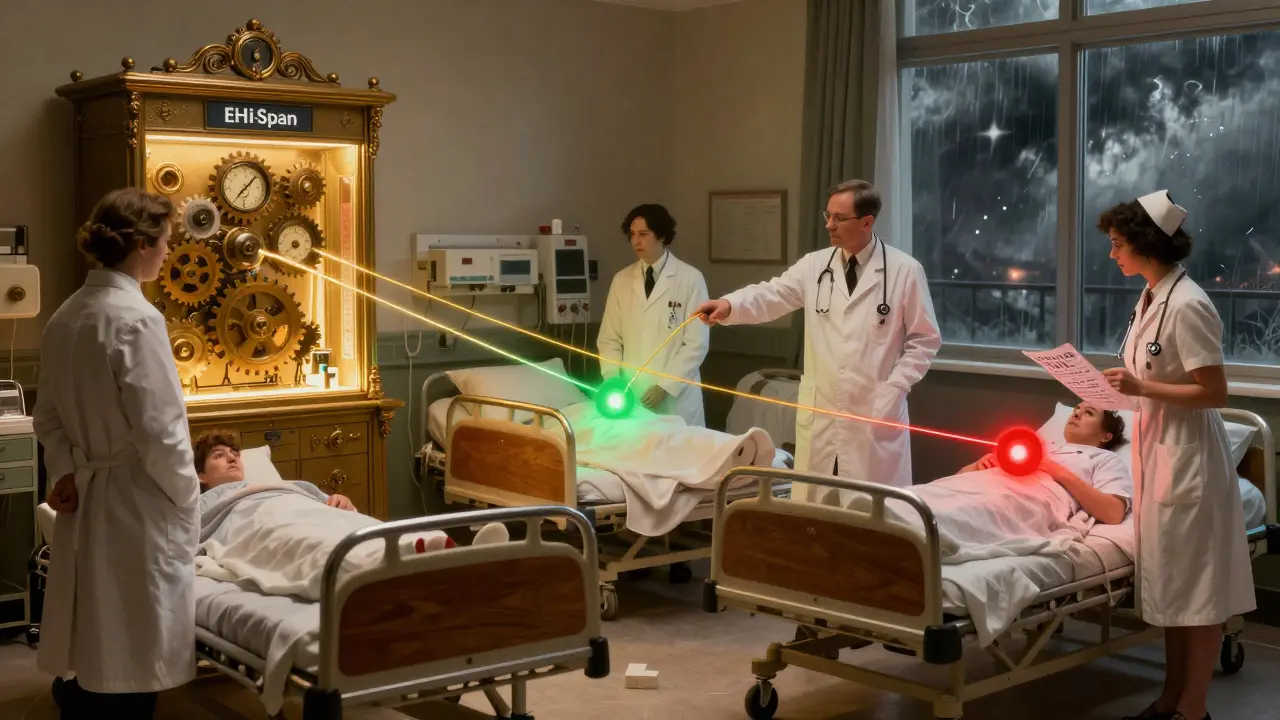
If you’re in a hospital with over 500 beds, you’re likely using Medi-Span from Wolters Kluwer. It’s built into your EHR and gives real-time alerts for dangerous drug interactions. One hospital reported it prevented 187 potential adverse events in six months. But there’s a catch: too many false alarms. Clinicians reported alert fatigue-getting so many warnings that they started ignoring them. The system works best when it’s tuned to your patient population and drug use patterns.
If you’re running a clinical trial, you’re probably using Cloudbyz. This platform connects directly to your trial’s data capture system. It takes data from patients, labs, and questionnaires and turns it into safety reports in under 15 minutes. One biotech company cut their safety report prep time from three weeks to four days. But getting there wasn’t easy. Their team spent 11 weeks mapping data fields and training staff. It’s powerful, but it demands upfront work.
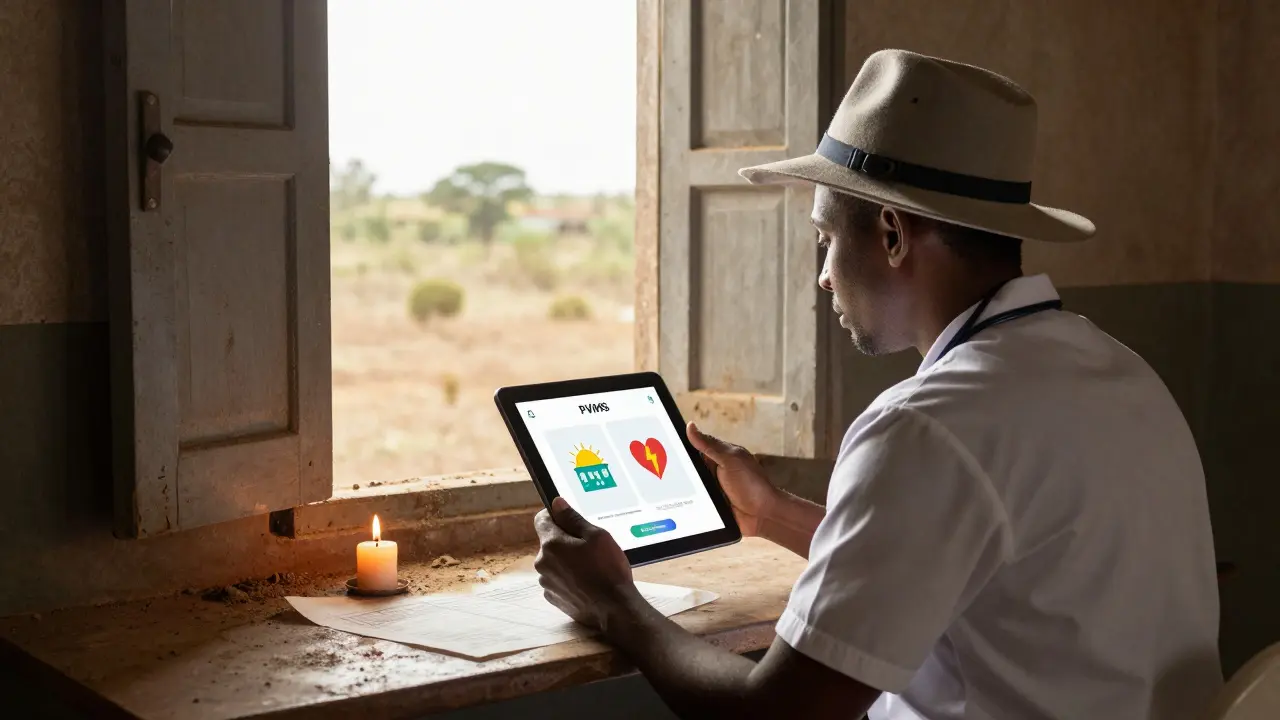
In low-resource settings-like rural clinics in Kenya or Cambodia-you’re likely using PViMS, the platform developed by USAID and MSH. It’s simple: a web browser, no fancy hardware, and pre-coded forms based on MedDRA terminology. One clinician said it cut their data entry time by 60% compared to paper. But internet outages are common. When the power goes out, so does the system. It’s not perfect, but it’s the best option where infrastructure is weak.
For advanced users with big datasets, IQVIA’s AI tools use machine learning to find hidden patterns. It cut false positives by 85% compared to older rule-based systems. But it needs at least 50,000 patient records to work well. Small clinics? Not useful. Big pharma? Game-changer.
What You Need to Use Them Effectively
These tools won’t fix bad data. They’ll make it worse. If your EHR has incomplete medication lists or messy clinical notes, the portal will miss signals or generate noise.
Here’s what actually matters:
- Drug knowledge-You need to understand how a drug behaves. A rise in creatinine might mean kidney stress-or just dehydration. You’re the one who knows the context.
- Data literacy-Can you read a trend line? Spot an outlier? Understand what “elevated ALT” really means in a patient with hepatitis C? If not, you’ll overlook real risks or chase ghosts.
- Regulatory awareness-FDA and EMA require traceable reports. If you’re submitting a safety signal, you need to show how you got there. The portal helps, but you’re still responsible.
Most organizations report that staff need 80 to 120 hours of training to use these tools well. That’s not a one-day workshop. It’s hands-on practice with real cases, feedback from safety officers, and time to make mistakes in a safe environment.
The Real Limitations (And How to Work Around Them)
These systems are powerful, but they’re not flawless.
One big issue is unstructured data. Doctors write notes like: “Pt felt weird after starting metoprolol.” That’s not coded. It’s not searchable. Current systems only extract 65-78% of adverse events from free-text notes. You still need to read them. Don’t rely on automation alone.
False positives are another headache. A 2023 FDA report found 22% of automated signals were wrong. Why? Because the system didn’t know the patient had just had surgery, or was on a new antibiotic that causes similar lab changes. Your clinical judgment is the filter.
And then there’s access. In LMICs, PViMS works-but only if the clinic has electricity and internet. In the U.S., Medi-Span is everywhere-but only if your hospital bought the license. Cost is a barrier. Cloudbyz costs $185,000 a year. Medi-Span runs $22,500-$78,000. PViMS? Free. But it doesn’t do predictive analytics. You trade features for affordability.
What’s Next? AI, Real-Time, and the Human Edge
The next wave is here. Cloudbyz’s new version 5.0, released in late 2024, uses machine learning to predict safety signals before they even show up in lab results. It looks at trends in vitals, labs, and meds together. IQVIA’s AI co-pilot helps safety officers review signals 35% faster by pulling in similar cases and published evidence in real time.
But the FDA is pushing back. Their 2026 guidance says AI models must be explainable. You can’t just say “the algorithm flagged it.” You need to show why. That means transparency, not black boxes.
That’s where the human role becomes even more critical. As Dr. Elena Rodriguez from IQVIA put it: “AI is transforming drug safety monitoring, but LQPPVs remain indispensable as strategic stewards of these tools.”
You’re not just a user. You’re the final checkpoint. The system gives you data. You give it meaning.
Getting Started: What to Do Now
If your clinic or hospital already uses one of these systems:
- Ask for access. If you don’t have it, you can’t use it.
- Review the alerts you’ve received in the last month. Were they accurate? Were they actionable?
- Find out how the system is configured. Is it tuned to your patient population? Are drug interaction thresholds too loose or too tight?
- Request training. Don’t wait for someone to come to you. Ask for hands-on sessions with real case studies.
- Report what you see. Even if the system doesn’t flag it, if you notice a pattern-two patients on the same drug with the same reaction-report it. That’s how signals become evidence.
If you don’t have a system yet:
- Start with what you have. Use your EHR’s built-in drug interaction checker. It’s basic, but better than nothing.
- Push for integration. Talk to your pharmacy and IT teams. Ask: “Can we connect our safety reporting to our EHR?”
- Look at PViMS if you’re in a resource-limited setting. It’s free, simple, and proven.
Drug safety monitoring isn’t about technology. It’s about attention. These tools help you pay attention to the right things at the right time. Use them. But never stop thinking.
Can clinician portals replace pharmacovigilance specialists?
No. Portals automate data collection and flag potential signals, but they can’t interpret clinical context. A rise in liver enzymes might mean drug toxicity-or a viral infection. Only a trained pharmacovigilance specialist can distinguish between the two. Tools support decision-making, but human judgment remains essential for reporting, investigation, and regulatory compliance.
Are these systems only for large hospitals and pharma companies?
No. While enterprise platforms like Cloudbyz and IQVIA target large organizations, simpler tools like PViMS are designed for clinics in low-resource settings. Even small practices can benefit from EHR-integrated tools like Medi-Span, which start at $22,500/year. The key is matching the tool to your scale, data volume, and regulatory needs-not your budget alone.
How long does it take to implement a drug safety monitoring portal?
Implementation time varies widely. Hospital-based tools like Medi-Span take 4-6 weeks if your EHR is compatible (e.g., Epic). Clinical trial platforms like Cloudbyz require 8-12 weeks due to complex data mapping to CDISC standards. Open-source tools like clinDataReview can be installed in days, but training staff to use them effectively takes 3-5 days. In LMICs using PViMS, rollout averages 3-5 weeks, though connectivity issues can delay usage.
What’s the biggest mistake clinicians make when using these tools?
Relying on automated alerts without checking the underlying data. A portal might flag a drug interaction, but if the patient’s medication list is outdated or the lab result was entered wrong, the alert is meaningless. Always verify data sources, read clinical notes, and ask: “Does this make sense for this patient?”
Do these systems work with paper records?
Not directly. Modern portals require digital data. If your clinic still uses paper, you’ll need to digitize records first-either through manual entry or scanning with OCR tools. Some systems, like PViMS, allow offline data entry on tablets and sync later when internet is available. But paper-only workflows cannot integrate with real-time monitoring systems.
gemeika hernandez
March 17, 2026 AT 16:37Nicole Blain
March 18, 2026 AT 03:09Kathy Underhill
March 20, 2026 AT 00:33Sanjana Rajan
March 20, 2026 AT 00:53Kendrick Heyward
March 20, 2026 AT 14:50Lauren Volpi
March 20, 2026 AT 19:28Michelle Jackson
March 22, 2026 AT 17:41Suchi G.
March 23, 2026 AT 16:11becca roberts
March 24, 2026 AT 14:10Andrew Muchmore
March 25, 2026 AT 14:51