
Linezolid and Tyramine: How to Avoid Hypertensive Crisis
 Mar, 9 2026
Tyramine Intake Calculator
Calculate Your Tyramine Intake
This tool helps you monitor your tyramine intake while taking linezolid. FDA warns that over 100mg of tyramine in a single meal can trigger a hypertensive crisis.
Tyramine Intake Analysis
Please select the foods you've consumed and click "Calculate Total Tyramine" to see your results.
When you're prescribed linezolid for a serious bacterial infection, the last thing you want is a sudden, dangerous spike in blood pressure. But that’s exactly what can happen if you eat certain foods while taking this antibiotic. Linezolid isn’t just an antibiotic-it’s also a weak monoamine oxidase inhibitor (MAOI). And that small detail changes everything when it comes to what’s on your plate.
Why Linezolid and Tyramine Don’t Mix
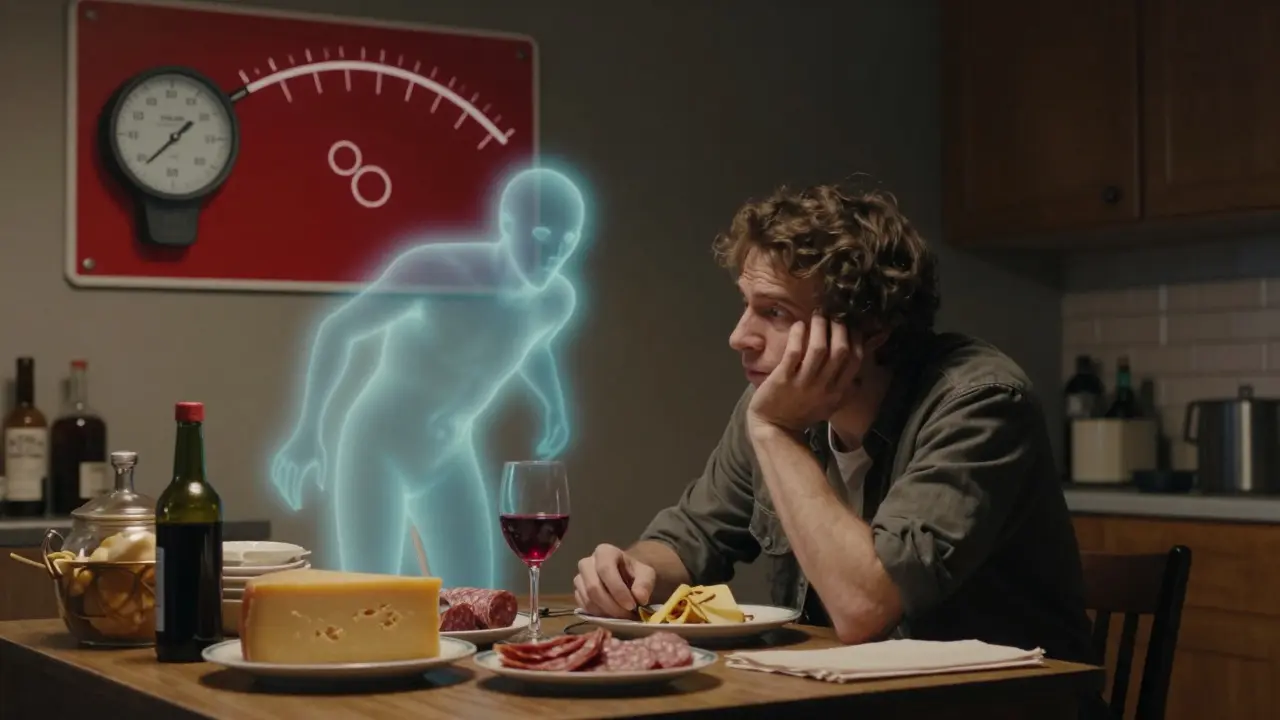
Linezolid works by stopping dangerous bacteria like MRSA and VRE from multiplying. But while it’s doing that, it’s also blocking your body’s ability to break down tyramine-a naturally occurring compound found in aged, fermented, or spoiled foods. Normally, your liver uses an enzyme called monoamine oxidase to keep tyramine levels low. When linezolid shuts that enzyme down, tyramine builds up. And too much tyramine triggers your nervous system to flood your bloodstream with norepinephrine. That’s what causes your blood pressure to skyrocket-sometimes by 30 to 50 mmHg in under two hours.The FDA says a single meal with over 100 mg of tyramine can trigger this reaction. That’s not a tiny amount. A slice of aged cheddar? 50 mg. A small serving of salami? Up to 80 mg. A glass of red wine? 10 to 40 mg. Put them together, and you’re already at the danger zone.
Which Foods Are Dangerous?
Not all foods are risky. Fresh meat, plain rice, most fruits, and vegetables are safe. The real danger comes from anything that’s been aged, fermented, or left sitting too long. Here’s what to avoid:- Aged cheeses: Cheddar, blue cheese, parmesan, gouda, Swiss. Even a small piece can pack 50-400 mg of tyramine per 100g.
- Dry fermented sausages: Salami, pepperoni, chorizo, and other cured meats. These are loaded with tyramine from fermentation.
- Tap beer, craft beer, and bottled/canned beer: Fermentation produces tyramine. Even a single bottle can contain 8-70 mg.
- Red wine, champagne, and fortified wines: Red wine alone can have 10-40 mg per glass. Avoid all types.
- Soy sauce, miso, and fermented soy products: A tablespoon of soy sauce can contain 6-30 mg.
- Liver, game meats, and pâté: These are especially risky because they’re often improperly stored or aged.
- Leftovers older than 24 hours: Bacteria start breaking down proteins and releasing tyramine. If it’s been sitting, toss it.
And don’t assume “organic” or “natural” means safe. Aged organic cheese still has the same tyramine levels as conventional.
What About Hospitalized Patients?
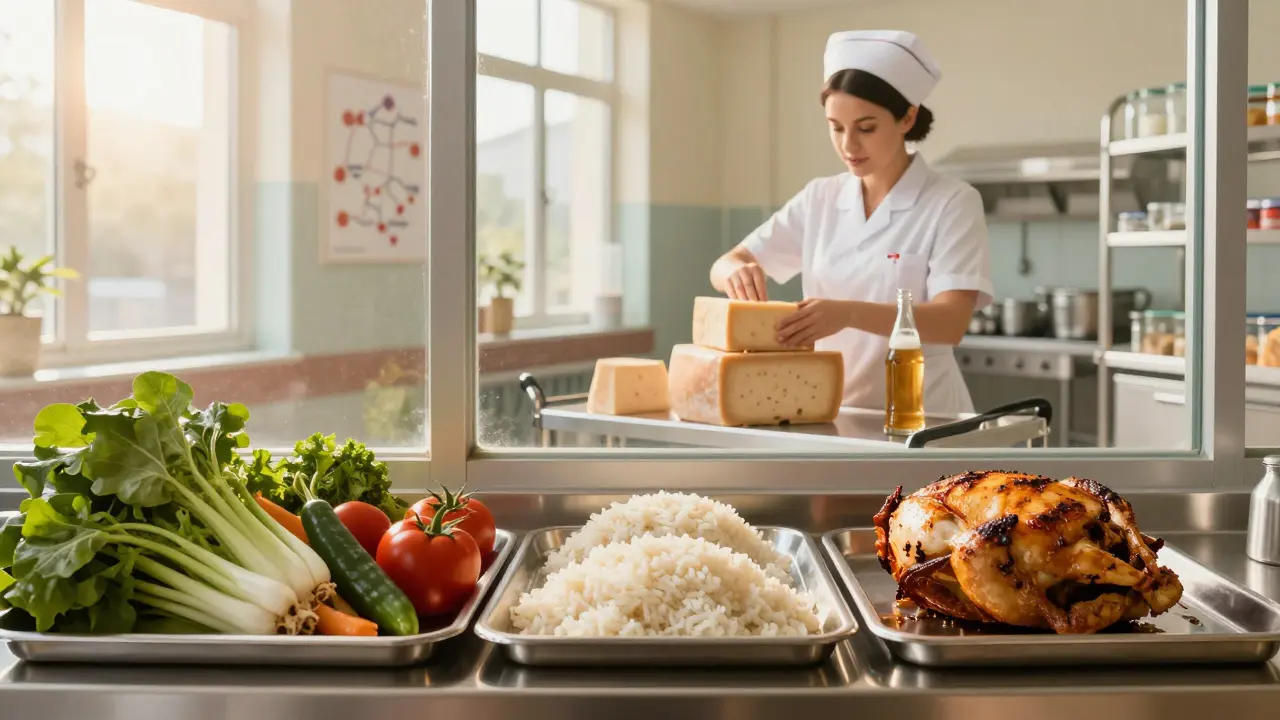
If you’re in the hospital, you’re probably not at risk. That’s because hospital kitchens don’t serve high-tyramine foods. A 2010 study from NewYork-Presbyterian Hospital analyzed over 500 meals and found the highest tyramine intake was 42 mg per day-well below the 100 mg danger threshold. Most hospitals now skip the strict diet for inpatients. Instead, they just avoid serving aged cheese, cured meats, or beer. So if you’re in the hospital, you don’t need to stress about your meals. The staff already knows what’s safe.Outpatients Need to Be More Careful
If you’re taking linezolid at home, you’re on your own. And that’s where things get risky. Studies show only 45% of patients get proper dietary advice when they leave the hospital. That’s a problem. One patient reported a 45 mmHg blood pressure spike after eating blue cheese. Another ended up in the ER after drinking craft beer on day 10 of treatment.The rule is simple: avoid all high-tyramine foods for the entire time you’re on linezolid-and for 14 days after you finish. Why 14 days? Because linezolid’s effect on monoamine oxidase lasts much longer than the drug itself stays in your system. Even though linezolid clears out in about 5 hours, the enzyme inhibition sticks around. It takes two weeks for your body to rebuild enough of the enzyme to safely process tyramine again.
What Can You Eat?
You don’t have to eat bland food. Here’s what’s safe:- Fresh meat, poultry, and fish (cooked within 24 hours of purchase)
- Most fresh fruits and vegetables
- White rice, pasta, bread
- Decaffeinated coffee and tea
- Plain crackers, crisps, and rice cakes
- Small amounts of chocolate (less than 2 ounces)
- Small glass of white wine (1 unit, max once a day)
The NHS gives clear guidance: white wine is okay in moderation. Red wine? No. Chocolate? A little is fine. But don’t go overboard. One study found that even safe foods can become risky if eaten in large quantities. Stick to normal portions.
What About Other Medications?
Linezolid can also interact with other drugs that affect serotonin or norepinephrine. Avoid:- SSRIs (like sertraline or fluoxetine)
- SNRIs (like venlafaxine)
- Tricyclic antidepressants
- St. John’s Wort
- Decongestants like pseudoephedrine
These can cause serotonin syndrome or make blood pressure spikes worse. Always tell your pharmacist and doctor about every medication you’re taking-even over-the-counter ones.
What Happens If You Accidentally Eat Something Risky?
Symptoms of a tyramine-induced hypertensive crisis usually show up within 30 to 120 minutes:- Sudden, severe headache
- Blurred vision
- Fast heartbeat
- Chest pain
- Extreme anxiety
- High blood pressure (over 180/110 mmHg)
If you feel any of these, stop eating, sit down, and call emergency services. Don’t wait. This isn’t a “maybe it’ll pass” situation. High blood pressure from tyramine can cause stroke, heart attack, or bleeding in the brain.
Why Do Some People Say It’s Not a Big Deal?
You might hear people say, “I had blue cheese and linezolid and felt fine.” That’s true-for some people. But that’s like saying, “I drove 100 mph and didn’t crash.” Risk isn’t about what happened to one person. It’s about what can happen to anyone.The FDA’s warning isn’t random. It’s based on documented cases. European regulators call the risk “moderate,” but that’s only if you follow the rules. The moment you skip the diet, the risk jumps. And there’s no way to predict who’ll have a bad reaction. Genetics, liver health, even how fast you eat can change your sensitivity.
How to Stay Safe
Here’s your practical checklist:- Get a printed list of safe and unsafe foods from your pharmacist. Don’t rely on memory.
- Buy fresh food daily. Avoid anything that’s been sitting for more than 24 hours.
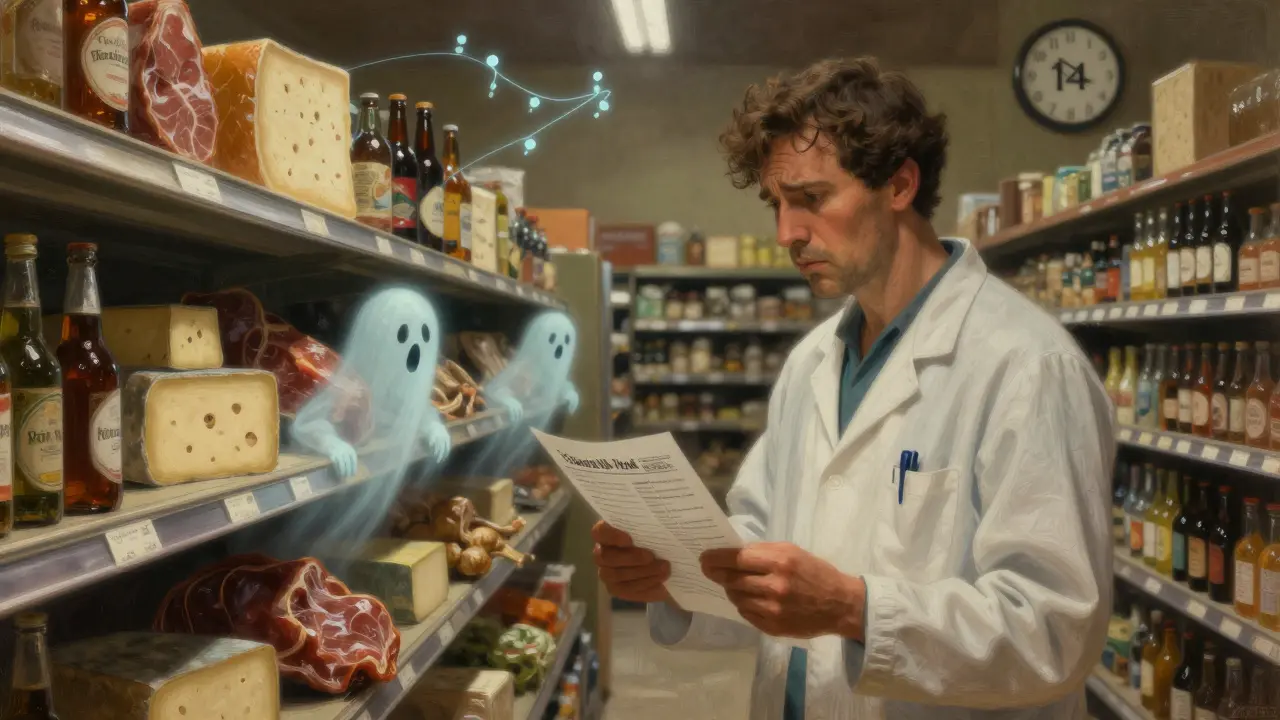
- Check labels. If it says “aged,” “fermented,” or “cured,” skip it.
- Ask before eating out. Tell servers you’re on linezolid. Most restaurants can accommodate you.
- Wait 14 days after your last dose before eating any risky foods-even if you feel fine.
- Keep a blood pressure monitor at home. If your systolic pressure jumps above 160, call your doctor.
Many patients get frustrated. “I can’t have my favorite cheese,” they say. But linezolid is a last-resort antibiotic. It’s used when nothing else works. That’s why the risk is worth the precaution.
What’s Changing in 2026?
Guidelines haven’t changed much since 2024, but awareness has. The Infectious Diseases Society of America reaffirmed the 14-day rule. Hospitals now train staff to give patients a simple handout: “Avoid aged, fermented, spoiled.” That’s easier than memorizing a 10-page list.Future tools may help. Researchers are testing handheld devices that can scan food for tyramine levels. But for now, the old rules still work best. Keep it simple: if it’s been sitting, it’s risky. If it’s fresh, it’s safe.
Can I have wine while taking linezolid?
No. Avoid all red wine, champagne, and fortified wines. Even small amounts can trigger a dangerous blood pressure spike. White wine in moderation (1 unit, max once a day) is considered safe by NHS guidelines, but only if you’re not sensitive. When in doubt, skip it.
How long should I wait after finishing linezolid before eating aged cheese?
Wait at least 14 days. Linezolid’s effect on monoamine oxidase lasts longer than the drug itself. Even if you feel fine, your body needs two weeks to rebuild the enzyme that breaks down tyramine. Rushing this step has caused serious hypertensive crises.
Is linezolid safe if I’m not eating any risky foods?
Yes, when taken with proper dietary precautions, linezolid is safe and effective. The antibiotic itself doesn’t cause high blood pressure-it’s the interaction with tyramine that’s dangerous. Stick to fresh foods, and you’ll avoid the risk entirely.
Do I need to avoid chocolate?
Small amounts are okay. A single ounce (28g) of dark chocolate contains about 1-5 mg of tyramine-far below the danger threshold. But avoid large portions, especially milk chocolate with added ingredients like nuts or caramel. Stick to one small bar per day, if any.
Can I take linezolid if I’ve taken an antidepressant recently?
Not without careful supervision. Linezolid can interact dangerously with SSRIs, SNRIs, and other antidepressants, causing serotonin syndrome. Always tell your doctor about any mental health medications you’ve taken in the past 14 days. You may need to wait longer before starting linezolid.
Why do hospitals not restrict food for inpatients?
Hospital meals are designed to be low in tyramine. Studies show the average daily intake for inpatients is under 42 mg-well below the 100 mg danger level. Hospitals avoid serving aged cheese, cured meats, and beer, so patients aren’t exposed to risky amounts. The restriction is only needed for outpatients who choose their own meals.