
Generic Substitution: What It Is, How It Works, and Why It Matters
When you pick up a prescription, you might get a pill that looks different from the brand name you asked for — that’s generic substitution, the practice of replacing a brand-name drug with a chemically identical generic version. Also known as generic switching, it’s one of the biggest ways patients save money without losing effectiveness. The FDA requires generics to have the same active ingredient, strength, dosage form, and route of administration as the original. They’re not cheaper because they’re weaker — they’re cheaper because their makers didn’t pay for the original research, marketing, or patents.
Behind every generic drug is a complex system. The FDA Orange Book, a public database listing approved drug products with therapeutic equivalence evaluations. Also known as Approved Drug Products with Therapeutic Equivalence Evaluations, it tells pharmacists and doctors when a brand drug’s patents expire and which generics are approved to replace it. Companies can’t sell a generic until those patents run out — unless they challenge them. That’s why you’ll sometimes see a delay between a drug going off-patent and generics hitting shelves. Meanwhile, biosimilars, follow-on versions of complex biologic drugs like Humira or Enbrel. Also known as biologic generics, they’re not exact copies but are proven to work just as well — and they’re starting to bring down prices for expensive treatments like those for arthritis and cancer. Then there’s drug pricing, the cost of medications influenced by patents, exclusivity, and market competition. Also known as pharmaceutical pricing, it’s why some generics still cost hundreds of dollars — especially if only one company makes them. The generic substitution system only works when multiple manufacturers enter the market. When that happens, prices drop fast. When it doesn’t — because of legal tricks, supply issues, or lack of interest — patients pay the price.
Some people worry generics aren’t as good. But studies show they work the same way. The difference is often just in the filler ingredients — the dyes, binders, or coatings — which don’t affect how the medicine works in your body. That’s why your pharmacist can legally swap your brand-name drug for a generic unless your doctor says otherwise. And in many states, they’re required to do it unless you refuse. You don’t need to be a scientist to understand this: if two pills have the same active ingredient and the same effect, they’re interchangeable. The real question isn’t whether generics work — it’s why some still cost too much, and who’s holding back the competition.
What you’ll find below are real stories and clear breakdowns of how generic substitution affects real people — from the person saving $200 a month on blood pressure meds to the family waiting for a cheaper version of their child’s epilepsy drug. You’ll learn how to check if your drug has a generic, why some generics take years to appear, and how to spot when a substitution might not be right for you. This isn’t theory. It’s your wallet, your health, and the system that decides what you pay for it.
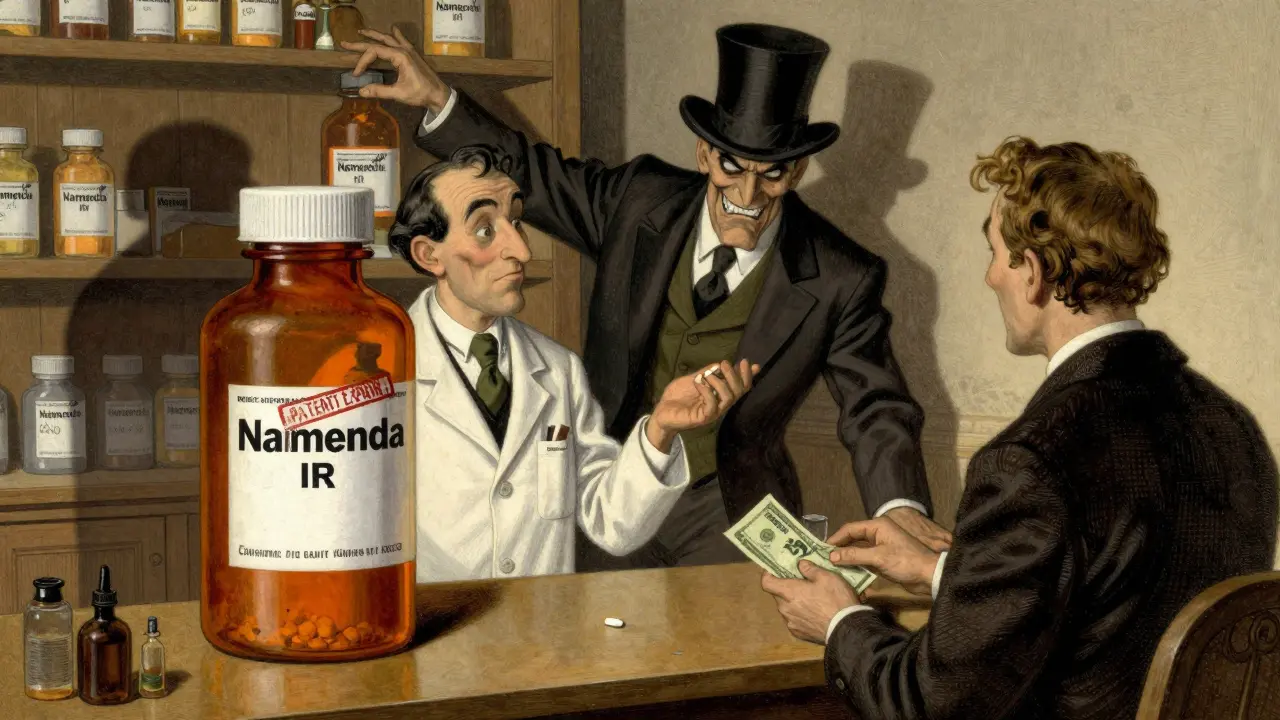
Antitrust Issues in Generic Substitution: How Big Pharma Blocks Cheaper Drugs
Big Pharma uses legal tricks like product hopping and REMS abuse to block generic drugs, keeping prices high. Learn how antitrust laws are fighting back-and what you can do about it.

Patient Counseling on Generics: What Pharmacists Must Discuss to Improve Adherence and Trust
Pharmacists must clearly explain generic substitutions to patients to prevent medication non-adherence. Covering bioequivalence, appearance changes, and cost savings-not just saying 'it's the same'-can save lives and improve outcomes.
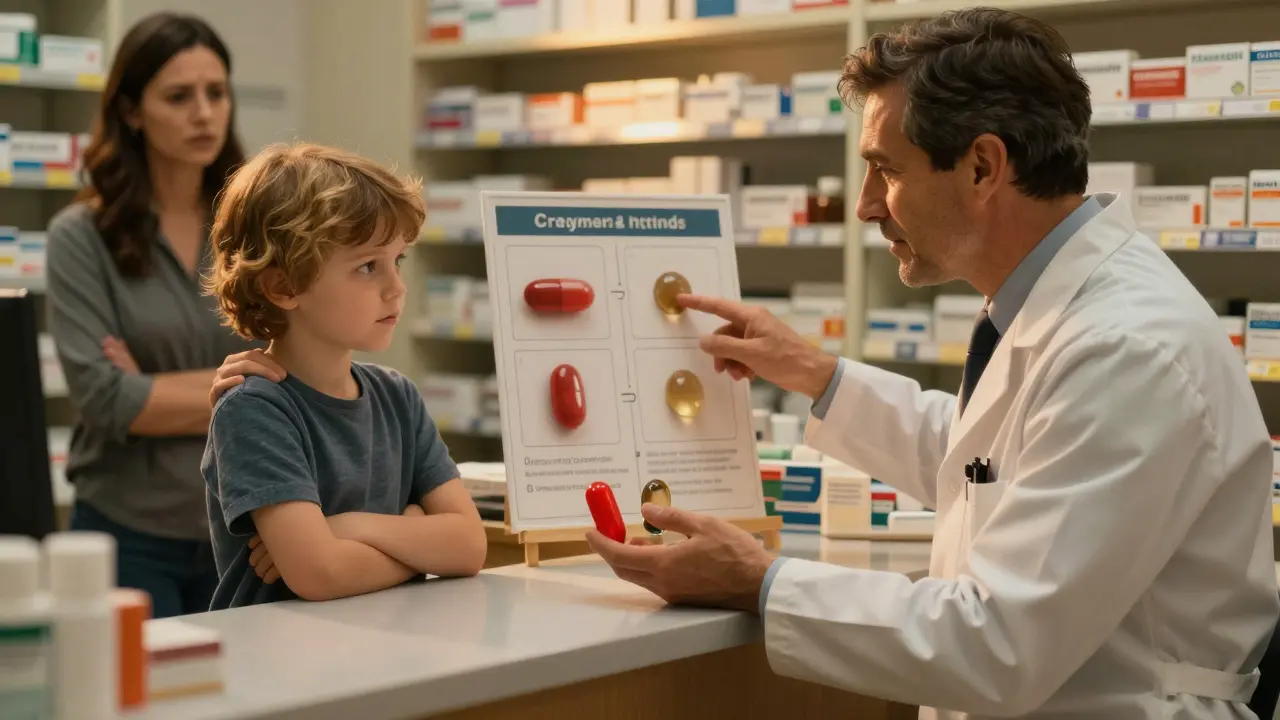
How to Communicate Generic Substitution to Pediatric and Senior Patients
Learn how to explain generic drug substitutions to children and older adults without causing confusion or reducing adherence. Practical tips for pharmacists, caregivers, and providers on building trust and ensuring safety.
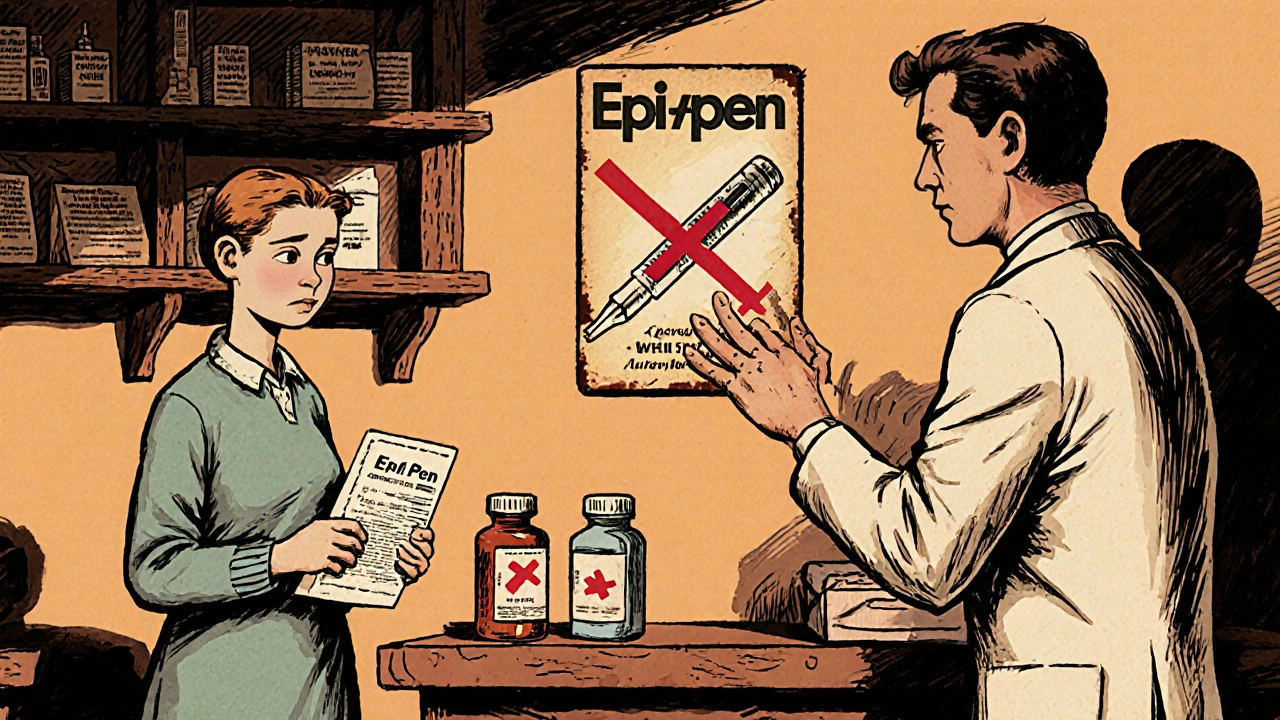
Generic Combination Products: When Multiple Generics Equal One Brand
Generic combination products combine drugs and devices, but substitution rules haven't kept up. Patients pay more, face delays, and often can't access affordable alternatives - even when generics exist.