
Antitrust Issues in Generic Substitution: How Big Pharma Blocks Cheaper Drugs
 Jan, 20 2026
When a doctor writes a prescription for a brand-name drug, you might expect the pharmacist to hand you a cheaper generic version-especially if state law allows it. But in many cases, that’s not what happens. Behind the scenes, drug companies are using legal tricks to block generics from ever reaching the pharmacy shelf. This isn’t about safety or innovation. It’s about keeping prices high. And it’s happening right now, in ways most patients never see.
How Generic Substitution Is Supposed to Work
State laws across the U.S. let pharmacists swap a brand-name drug for a generic version without asking the doctor again-so long as the generic is bioequivalent. That means it works the same way in your body, costs 80% less, and has been approved by the FDA. These laws were designed to save money-for patients, insurers, and taxpayers. When generics enter the market, they typically capture 80 to 90% of sales within months. That’s how competition is supposed to work: cheaper alternatives force prices down. But here’s the catch: drugmakers don’t want generics to win. So they’ve invented new ways to beat the system.Product Hopping: The Main Trick
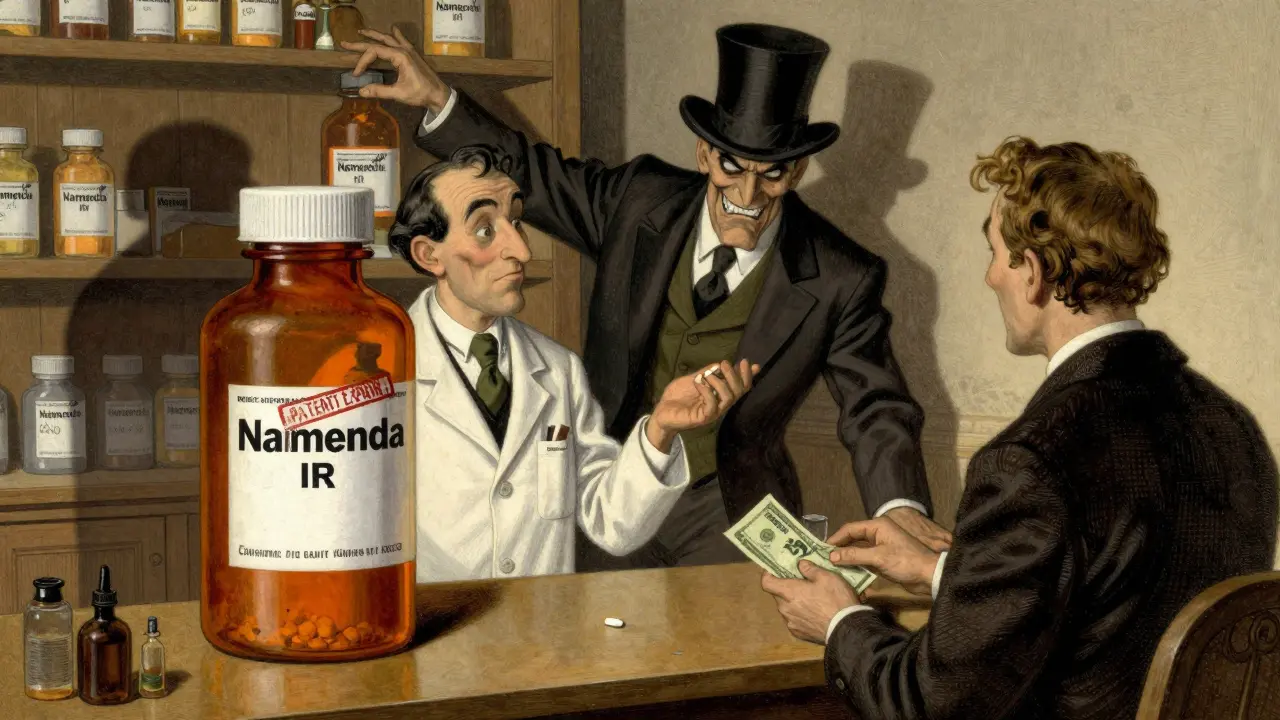
The most common tactic is called product hopping. It’s simple in theory: when a brand-name drug’s patent is about to expire, the company launches a slightly changed version-maybe a pill that dissolves faster, a new dosage, or a different delivery method like a film instead of a tablet. Then, they pull the original drug off the market. Take Namenda. In 2014, Actavis introduced Namenda XR, an extended-release version of the dementia drug. Thirty days before the original Namenda IR lost patent protection, they stopped selling it. That left doctors and patients with only one option: the new version. But generics couldn’t step in because state substitution laws only apply to the original drug. The new version had its own patent, so no generic could replace it yet. Patients were stuck paying $200 a month instead of $20. The Second Circuit Court of Appeals called this out in 2016. They ruled that Actavis didn’t just innovate-they manipulated the system to kill competition. The court said state substitution laws were the only real way for generics to compete. By removing the original drug, Actavis made it impossible for those laws to work.Why This Isn’t Just ‘Innovation’
Drug companies argue they’re just offering better products. But the changes aren’t meaningful. In the case of Copaxone, Teva switched from a daily injection to a three-times-a-week version. No real improvement in effectiveness. Just a new patent. The result? Prices stayed high for years. Consumers paid $4.3 billion to $6.5 billion more than they should have, according to Drug Patent Watch. The FTC’s 2022 report found that nearly all product-hopping cases involve minor tweaks-no better outcomes, no fewer side effects. The only goal is to reset the clock on generic competition. Compare that to Nexium. AstraZeneca switched from Prilosec to Nexium, but kept selling Prilosec. Courts dismissed the antitrust claims because patients could still choose the original. But when the old version disappears? That’s a different story. It’s not innovation-it’s exclusion.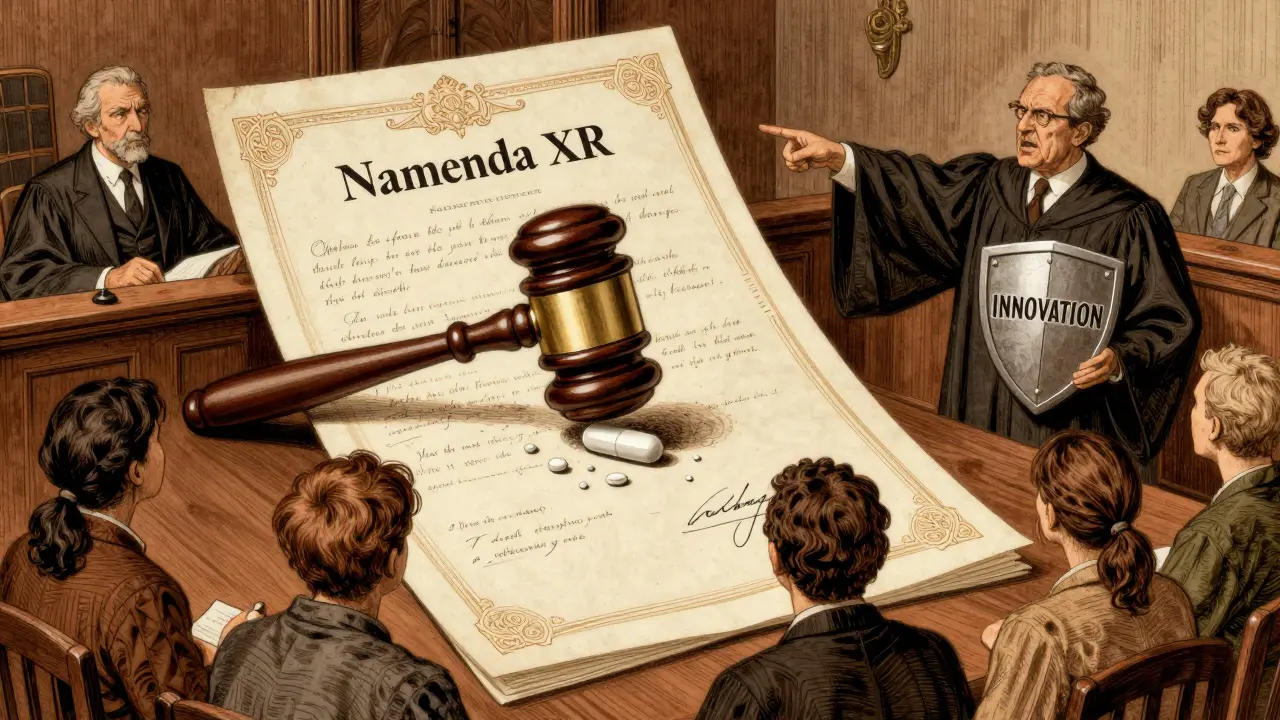
Blocking Access to Samples
Another tactic is harder to spot. Generic makers need samples of the brand-name drug to prove their version works the same. That’s required by the FDA. But some companies use FDA-mandated safety programs-called REMS-to block access. They claim it’s for safety. But in reality, they’re just denying samples to generic competitors. A 2017 study found over 100 generic companies couldn’t get the samples they needed. For 40 drugs under these restrictions, the delay cost the system more than $5 billion a year. That’s not a loophole. It’s a weapon. Professor Michael A. Carrier put it plainly: “The denial of samples fails the ‘no economic sense’ test. Why would a company do this unless it’s to hurt competitors?”Coercion and Fear Tactics
Then there’s Suboxone. Reckitt Benckiser made a film version of the opioid addiction treatment and started telling doctors the original tablets were unsafe. They even threatened to pull the tablets from the market. Patients didn’t have a real choice-they were pushed into the more expensive film version. The FTC stepped in. In 2019 and 2020, they forced Reckitt and its subsidiary Indivior to settle. The court found the company used fear and misinformation to manipulate prescriptions. That’s not marketing. That’s coercion.What’s Been Done About It?
The FTC has taken action. In the Namenda case, they got a court order forcing Actavis to keep selling the old version for 30 days after generics entered. That gave patients a real chance to switch. The DOJ has also gone after generic manufacturers-for price-fixing. Teva paid $225 million in 2023, the largest criminal antitrust penalty ever for a domestic drug cartel. Glenmark paid $30 million. That’s not about brand-name companies. It’s about how broken the whole system is. State attorneys general have stepped in too. New York sued Actavis in 2014 and won an injunction. But not every court agrees. Some still let product hopping slide, saying generics can just “spend more on advertising.” That ignores reality: pharmacies don’t advertise. Patients don’t choose generics because of ads. They choose them because they’re cheaper and automatically substituted.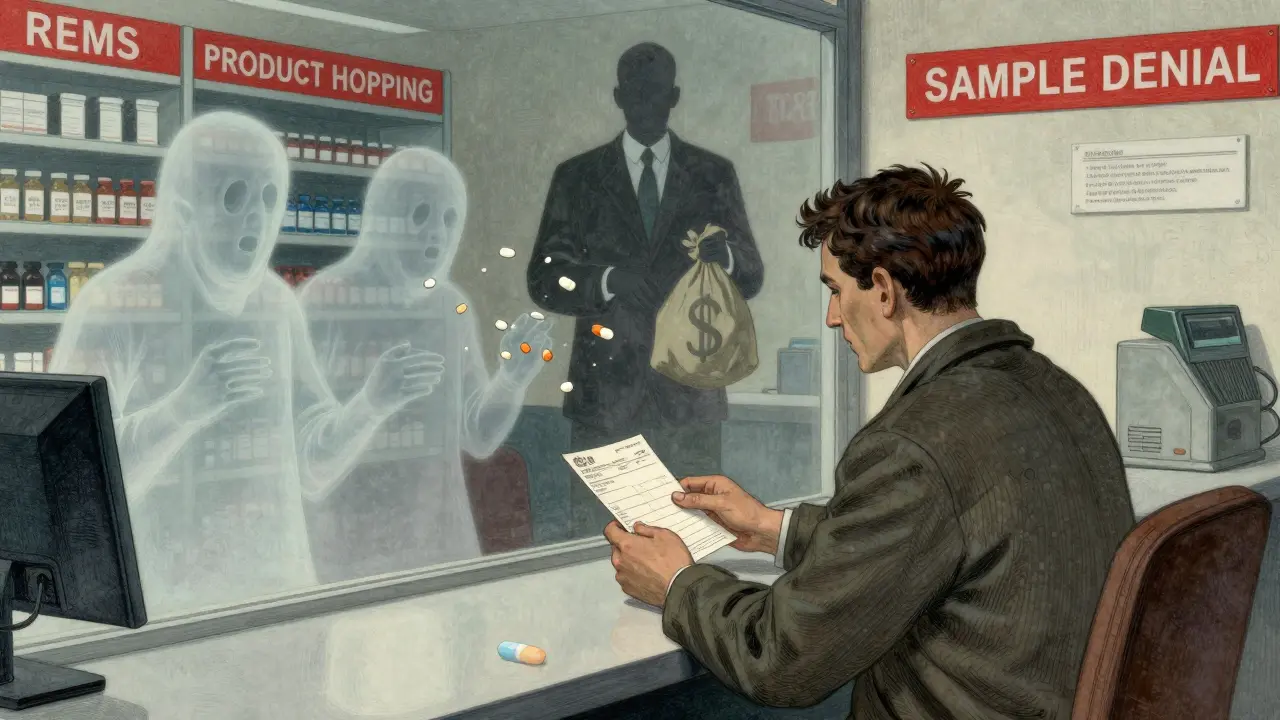
Coral Bosley
January 21, 2026 AT 10:07They don't just block generics-they weaponize the system. I watched my mom pay $300 for a pill that should've cost $25. No one told her why. No one told her it was illegal. She just accepted it because she trusted the system. Now I'm angry every time I see a pharmacy receipt.
They don't care if you die broke. They care if their quarterly earnings look pretty.
This isn't capitalism. It's extortion with a white coat.
Steve Hesketh
January 22, 2026 AT 18:28Let me tell you something from Lagos-where we wait months for basic meds and pay triple because generics are blocked by foreign patents. This isn't just an American problem. It's a global robbery. People die because a corporation decided a $20 pill is too dangerous to let exist.
But here's the beautiful part: we're waking up. In Nigeria, community pharmacists are now teaching patients how to demand generics. It’s grassroots. It’s quiet. And it’s working.
Don’t underestimate the power of a patient who asks, ‘Why not the cheaper one?’
Kevin Narvaes
January 24, 2026 AT 13:16so like… big pharma is just… kinda… cheating? lol. i mean, if you can’t innovate, just make a tiny change and call it new. genius. who needs science when you’ve got lawyers and patent trolls?
also why does the fda let this happen? are they on payroll? i’m not mad, just disappointed. and also kinda scared.
Dee Monroe
January 25, 2026 AT 22:05What we’re witnessing here isn’t just market manipulation-it’s the erosion of trust in the very institutions meant to protect public health. The FDA, state pharmacy boards, even our legislators-they’ve all been outmaneuvered by corporate legal teams with more resources than entire states.
But here’s the deeper truth: we’ve allowed this because we’ve been taught to equate ‘new’ with ‘better.’ We don’t question the system because we’ve been conditioned to believe that complexity equals sophistication. A pill that dissolves faster doesn’t mean it works better-it just means the company made more money.
True innovation heals. This? This is just extraction dressed in white lab coats. We’re not fighting for cheaper drugs-we’re fighting for the right to be treated like humans, not balance sheet line items.
And if we don’t change this, the next generation won’t just be poor-they’ll be chronically ill, and they’ll know exactly why.
Alex Carletti Gouvea
January 27, 2026 AT 14:07Why are we letting foreign companies dictate our healthcare? This is why America needs to make all drugs here. No more loopholes. No more foreign patents. Make it here, sell it here, and stop letting corporations bleed us dry.
Philip Williams
January 29, 2026 AT 07:25It's critical to recognize that product hopping and REMS abuse represent a systemic failure of regulatory oversight, not merely corporate malfeasance. The FDA's mandate is to ensure safety and efficacy-not to function as a gatekeeper for pharmaceutical monopolies. The fact that generic manufacturers are denied access to reference samples under the guise of safety protocols is a profound contradiction.
Furthermore, state substitution laws were designed as market-based tools to drive down costs. When those laws are rendered inert by corporate strategy, the entire regulatory architecture collapses. Legislative reform must be paired with robust enforcement mechanisms, not just public awareness campaigns.
Without structural change, we are merely rearranging deck chairs on the Titanic.
Yuri Hyuga
January 30, 2026 AT 09:52This is one of those issues where the math is brutal, the ethics are clear, and the solution is simple-yet we still do nothing. 🤦♂️
Imagine if Netflix blocked you from using the old version of their app just to push you into a pricier subscription. You’d riot. But when it’s your heart medication? You just nod and pay.
Let’s not normalize this. Let’s demand change. We’re not asking for miracles-just fairness. 💪
shubham rathee
January 31, 2026 AT 09:37you know who really controls this? the cia and the feds they let big pharma do this to keep people docile and addicted to pills so they stay quiet and don't protest the wars and the surveillance and the drones and the debt and the fed and the banks and the media and the schools and the churches and the politicians and the corporations and the billionaires and the zionists and the illuminati and the reptilians and the aliens and the 5g and the vaccines and the climate change hoax and the flat earth and the moon landing and the dinosaurs and the evolution and the big bang and the quantum physics and the hologram theory and the simulation hypothesis and the shadow government and the new world order and the deep state and the cabal and the lizard people and the ancient astronauts and the chemtrails and the alien abductions and the time travel and the parallel universes and the god particle and the dark matter and the multiverse and the tachyons and the zero point energy and the free energy and the anti gravity and the alien tech and the secret bases and the underground cities and the hollow earth and the earth is flat and the sun is a spotlight and the moon is a hologram and the ocean is fake and the air is poisoned and the water is laced with fluoride and the food is genetically modified and the vaccines are microchips and the 5g is mind control and the masks are for tracking and the lockdowns were to break your spirit and the elections are rigged and the president is a robot and the pope is a reptilian and the queen is dead and the royals are clones and the earth is hollow and the sun is a plasma ball and the stars are lights on a dome and the universe is a simulation and the AI is already ruling us and we are all just NPCs in a video game and the truth is out there but they killed the messengers and now they're deleting the internet and the truth is that we are all just living in a giant lie and the only way out is to stop taking pills and go live in the woods and grow your own food and stop using electricity and live like cavemen and reject modern medicine and trust nature and pray to god and meditate and do yoga and eat kale and drink rainwater and never go to a hospital again and hope you don't get sick because if you do you're dead because the system wants you dead because they control everything and you are just a number in a database and your soul is being harvested by the machine and the end is near and the rapture is coming and the aliens are here and they're watching you right now as you read this and they're laughing because you believed the lie and now you're part of the system and you can't escape and the pills are the key and the pills are the trap and the pills are the answer and the pills are the problem and the pills are the truth and the pills are the lie and the pills are everything and nothing and you're still reading this and you still believe it and you still think you're free and you're not and you never were and you never will be and the system won and you lost and you're just a ghost in a machine and the pills are your tombstone
Ben McKibbin
February 2, 2026 AT 06:30Let’s be real-this isn’t about innovation. It’s about greed wrapped in legalese. The fact that courts sometimes allow this to slide is terrifying. We’re not talking about minor tweaks-we’re talking about engineered monopolies. And the worst part? The people who suffer the most are the ones who can’t fight back.
But here’s the silver lining: awareness is growing. More pharmacists are pushing back. More patients are asking questions. And more lawmakers are finally listening.
This isn’t just a healthcare issue. It’s a civil rights issue. You deserve to live without being financially raped because a corporation doesn’t want to compete.
Jerry Rodrigues
February 4, 2026 AT 05:55My dad’s on a generic for blood pressure. Saved him $150 a month. He didn’t even know it was possible until his pharmacist said something. Just saying yes to the cheaper option changed his life.
Just ask.
lokesh prasanth
February 4, 2026 AT 17:03big pharma bad but also generics are just copycats so why care
Glenda Marínez Granados
February 5, 2026 AT 05:47Oh wow, so the same people who told us ‘trust the science’ during the pandemic are now using ‘patent law’ to keep people from buying cheaper meds?
How poetic. 🤡
Next they’ll patent oxygen and sell it in 10ml vials with a $200 markup.
MARILYN ONEILL
February 6, 2026 AT 15:08I mean, if you can't afford the brand name, maybe you shouldn't be taking it. There are cheaper alternatives-like not taking medicine at all. Maybe you just need to eat more kale and pray harder.
Coral Bosley
February 6, 2026 AT 19:44You think this is about money? It’s about control. They don’t want you to know you have a choice. They don’t want you to ask questions. They want you to take the pill, shut up, and keep paying.
My mom died last year. She took the expensive version because the pharmacist said ‘it’s the only one the doctor prescribes.’
Turns out, the doctor didn’t even know the old one was pulled.
They killed her with bureaucracy.