
Substandard Medications: What They Are and Why They Put Your Health at Risk
When you take a pill, you expect it to work the way it’s supposed to. But not all medications meet basic quality standards. Substandard medications, pharmaceutical products that fail to meet approved specifications for strength, purity, or performance. Also known as falsified or degraded drugs, these can contain too little active ingredient, the wrong ingredient, or harmful contaminants. This isn’t just a problem in faraway countries—it happens everywhere, even in regulated markets. A 2022 WHO report found that over 1 in 10 medical products in low- and middle-income countries are substandard, but even in the U.S., cases of improperly stored or mislabeled generics have led to recalls and hospitalizations.
Counterfeit drugs, fake medicines deliberately mislabeled with false ingredients or branding are one type of substandard medication, but they’re not the only danger. Degraded drugs, legitimate products that lost potency due to poor storage or expired shelf life are just as risky. Think of insulin left in a hot car, or antibiotics stored in a damp bathroom. They might look real, but they won’t treat your infection. And FDA regulations, the rules that require drug manufacturers to prove safety, strength, and consistency exist to stop this—but enforcement gaps, supply chain complexity, and online pharmacy fraud still let bad drugs slip through.
Substandard medications don’t just fail to help—they can make you sicker. Taking a weak antibiotic can lead to drug-resistant infections. A fake blood pressure pill might cause a stroke. A degraded asthma inhaler could leave you gasping during an attack. The real danger? You won’t always know. These drugs often look, taste, and even come in the same packaging as the real thing. That’s why checking your pharmacy’s reputation, avoiding deals that seem too good to be true, and using trusted sources like licensed U.S. pharmacies matters more than ever.
What you’ll find below is a collection of real, practical guides that help you spot red flags, understand how drugs are regulated, and protect yourself from dangerous products. From how to use FDA databases to track drug recalls, to why generic drug pricing doesn’t always mean lower quality, these posts give you the tools to ask the right questions and make smarter choices. No fluff. Just facts you can use to keep your meds—and your health—safe.
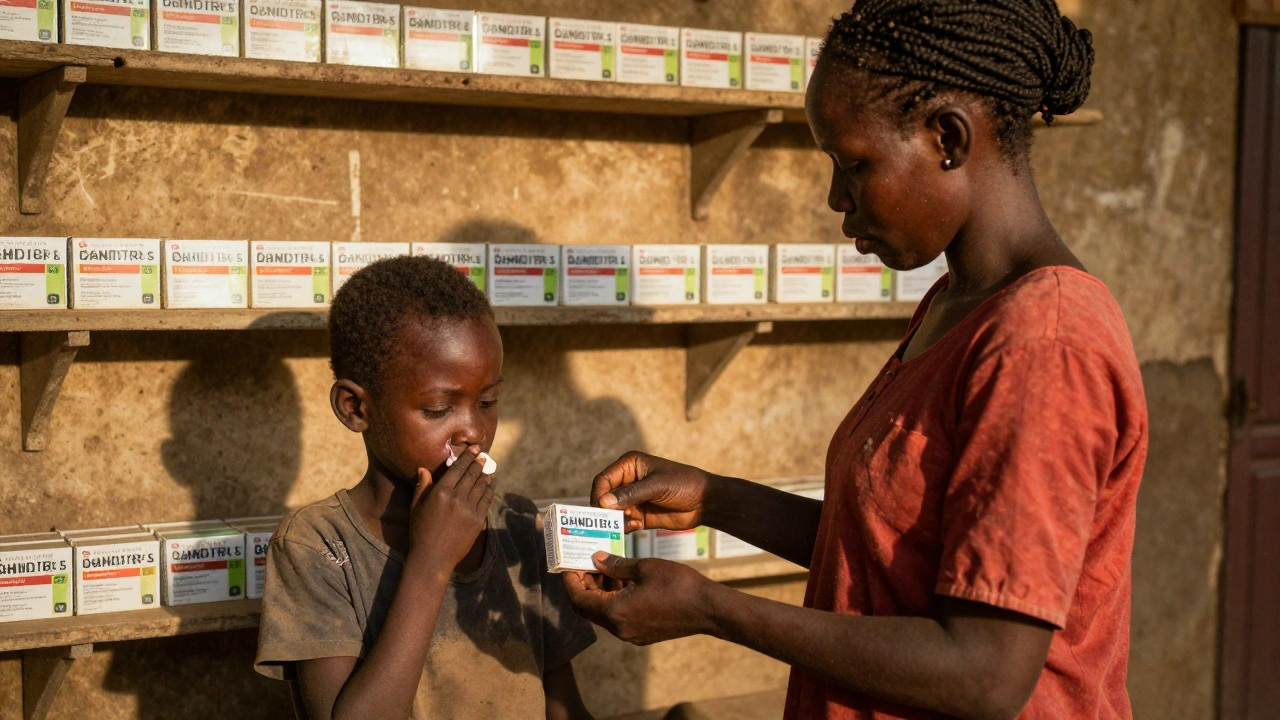
Counterfeit Drugs in Developing Nations: The Hidden Health Crisis
Counterfeit drugs in developing nations kill tens of thousands annually. Fake medicines with no active ingredients or toxic chemicals are flooding markets, exploiting weak regulations and poverty. Here's what's happening-and what can be done.