
Pain Medication Risks: What You Need to Know Before Taking Them
When you take pain medication, drugs used to reduce or manage physical discomfort, including over-the-counter and prescription options. Also known as analgesics, they help millions of people function daily—but they aren’t harmless. Many assume that because a pill is sold at the pharmacy or prescribed by a doctor, it’s safe to use long-term. That’s not true. Pain medication risks range from mild stomach upset to life-threatening addiction, organ damage, or even sudden death.
One of the biggest dangers comes from opioids, powerful prescription drugs like oxycodone, hydrocodone, and morphine used for severe pain. They work by changing how your brain feels pain, but they also trigger pleasure centers—making them highly addictive. The CDC reports that over 70,000 opioid-related deaths happened in the U.S. in 2021 alone. Even short-term use can lead to dependence. You don’t have to be using them for months to get hooked. Some people develop tolerance in just a few weeks.
Then there’s NSAIDs, nonsteroidal anti-inflammatory drugs like ibuprofen and naproxen, commonly used for headaches, arthritis, and muscle pain. These are everywhere—your medicine cabinet, the grocery store aisle, your coworker’s desk. But they’re not gentle. Long-term use can cause stomach ulcers, kidney damage, and raise your risk of heart attack or stroke. People over 65 or with high blood pressure are especially vulnerable. And mixing NSAIDs with blood thinners or SSRIs? That’s a recipe for internal bleeding.
What about medication interactions, when one drug changes how another works in your body? It’s not just about mixing pills. Alcohol with painkillers? Dangerous. Grapefruit juice with certain opioids? Can spike blood levels to toxic ranges. Even common supplements like St. John’s Wort can reduce painkiller effectiveness or cause serotonin syndrome. Most people don’t tell their doctor about everything they’re taking. That’s how accidents happen.
And let’s not forget painkiller dependence, the physical and psychological need to keep taking a drug, even when it’s no longer helping. It’s not weakness. It’s biology. Your body adapts. You need more to feel the same relief. You feel sick without it. You hide your use. You feel guilty. It creeps up slowly—until one day, you realize you’re not taking it for the pain anymore. You’re taking it to feel normal.
The good news? You don’t have to accept these risks as inevitable. Many people manage chronic pain without opioids. Physical therapy, acupuncture, cognitive behavioral therapy, and even simple movement can be just as effective—with none of the side effects. And if you’re on a pain med right now, you can still take control. Know your dose. Track how you feel. Ask your doctor about tapering. Check for interactions. Keep a list of everything you take—supplements included.
The posts below break down real cases, common mistakes, and safer alternatives. You’ll find what happens when people mix pain meds with sleep aids, how NSAIDs silently damage kidneys over time, why some older adults end up in the ER from a single extra pill, and what to do if you think you’re dependent. No fluff. Just facts you can use to protect yourself or someone you care about.
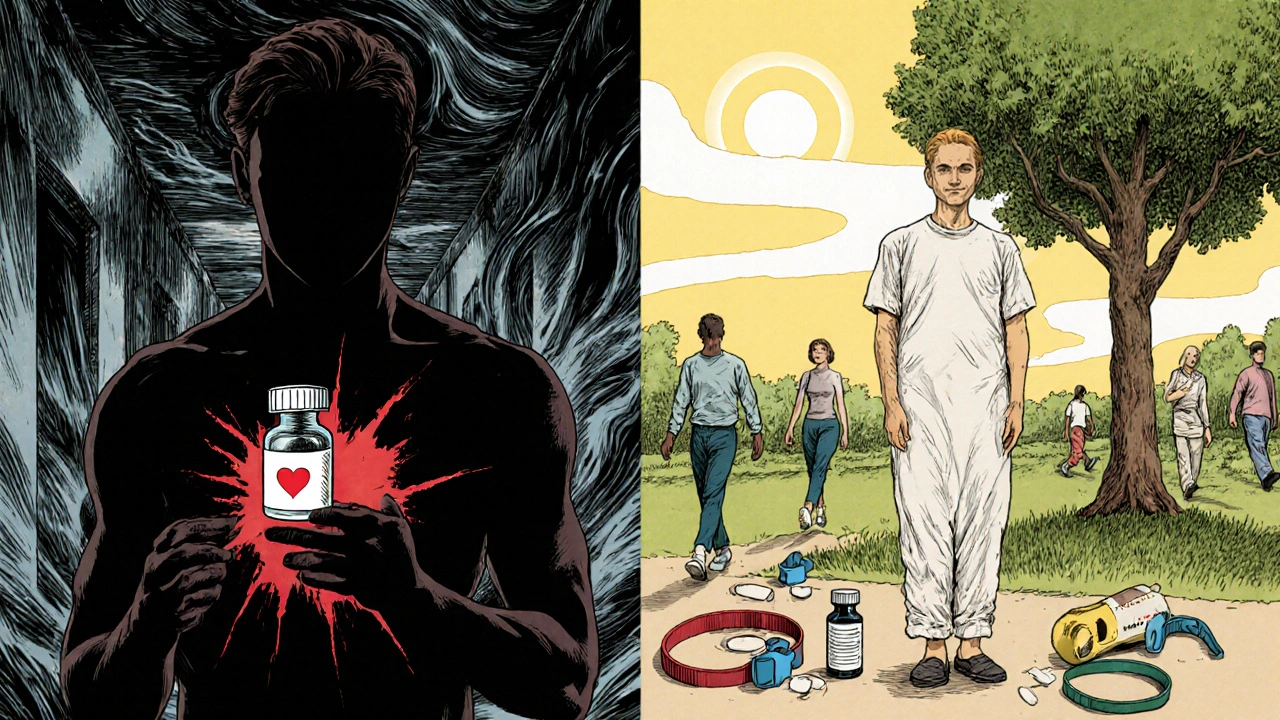
Pain Medications: Opioids vs Non-Opioids - What’s Safe and What’s Not
Opioids aren't the best choice for most chronic pain. Non-opioid options work just as well - with far fewer risks. Learn what the latest research says about safety, effectiveness, and real alternatives.