
Opioid Safety: How to Use Pain Meds Without Risk
When doctors prescribe opioids, a class of powerful pain relievers that include oxycodone, hydrocodone, morphine, and fentanyl. Also known as narcotics, they work by binding to brain receptors to reduce pain—but they also trigger reward pathways that can lead to dependence. Opioid safety isn’t about avoiding them entirely. It’s about using them the right way, knowing the risks, and recognizing when something’s wrong.
Many people don’t realize that opioid misuse, taking more than prescribed, using someone else’s pills, or combining them with alcohol or sleep aids is the leading cause of accidental drug overdose in the U.S. The CDC reports that over 70% of drug overdose deaths involve opioids. You don’t have to be addicted to be in danger. Even someone taking pills exactly as directed can develop tolerance, need higher doses, or accidentally overdose if they mix them with other depressants like benzodiazepines or alcohol. opioid overdose, a life-threatening event where breathing slows or stops can happen fast—and it’s reversible if naloxone is given in time.
Safe opioid use means more than just following the label. It means storing pills out of reach of kids or teens, never sharing prescriptions, and knowing the signs of trouble: extreme drowsiness, confusion, slow breathing, or unresponsiveness. If you’re on long-term opioid therapy, ask your doctor about naloxone kits—they’re like a fire extinguisher for your medicine cabinet. Also, be honest about other meds you take. Many common drugs for anxiety, sleep, or muscle spasms can dangerously interact with opioids. The goal isn’t fear—it’s control. You should feel pain relief, not risk your life.
Below, you’ll find real-world guides on how to manage pain without over-relying on opioids, what to do if someone’s overdosing, how to safely dispose of leftover pills, and how to recognize early signs of dependence before it becomes a crisis. These aren’t theory pieces. They’re tools written by people who’ve seen the consequences—and the solutions.
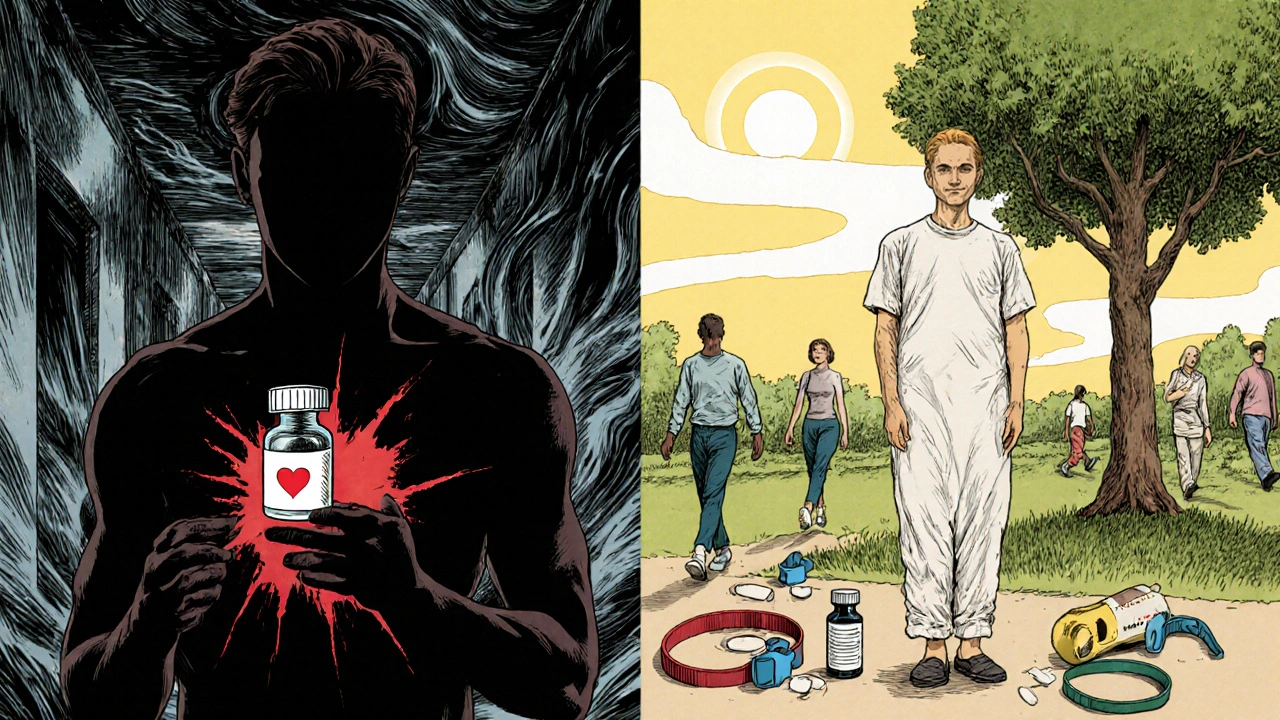
Pain Medications: Opioids vs Non-Opioids - What’s Safe and What’s Not
Opioids aren't the best choice for most chronic pain. Non-opioid options work just as well - with far fewer risks. Learn what the latest research says about safety, effectiveness, and real alternatives.