
High Blood Pressure: Causes, Medications, and What You Can Do
When your blood pushes too hard against artery walls, you have high blood pressure, a chronic condition where force of blood against artery walls is consistently too high, increasing risk of heart attack, stroke, and kidney damage. Also known as hypertension, it often has no symptoms—making regular checks essential. About one in three adults in the U.S. has it, and many don’t even know.
It’s not just about age or weight. blood pressure meds, prescription drugs like ACE inhibitors, beta-blockers, and diuretics used to lower elevated blood pressure are common, but they’re not the whole story. Lifestyle changes—like cutting salt, moving more, and managing stress—can cut your numbers as much as some pills. And if you’re on multiple meds, drug interactions, when two or more medications affect each other’s effectiveness or safety become a real concern. A simple interaction between a common painkiller and your blood pressure pill could undo weeks of progress.
Monitoring matters too. Home blood pressure monitors are affordable and reliable. Tracking your numbers over time gives you and your doctor a clearer picture than a single reading at the clinic. And if you’re older or taking SSRIs or diuretics, watch for signs of low sodium or dizziness—side effects that can sneak up and increase fall risk.
This collection brings together real, practical advice from people who’ve been there. You’ll find clear guides on which meds work best for different bodies, how to avoid dangerous combos, what foods help or hurt, and how to stick with changes that last. No fluff. No guesswork. Just what you need to take control—before high blood pressure takes control of you.
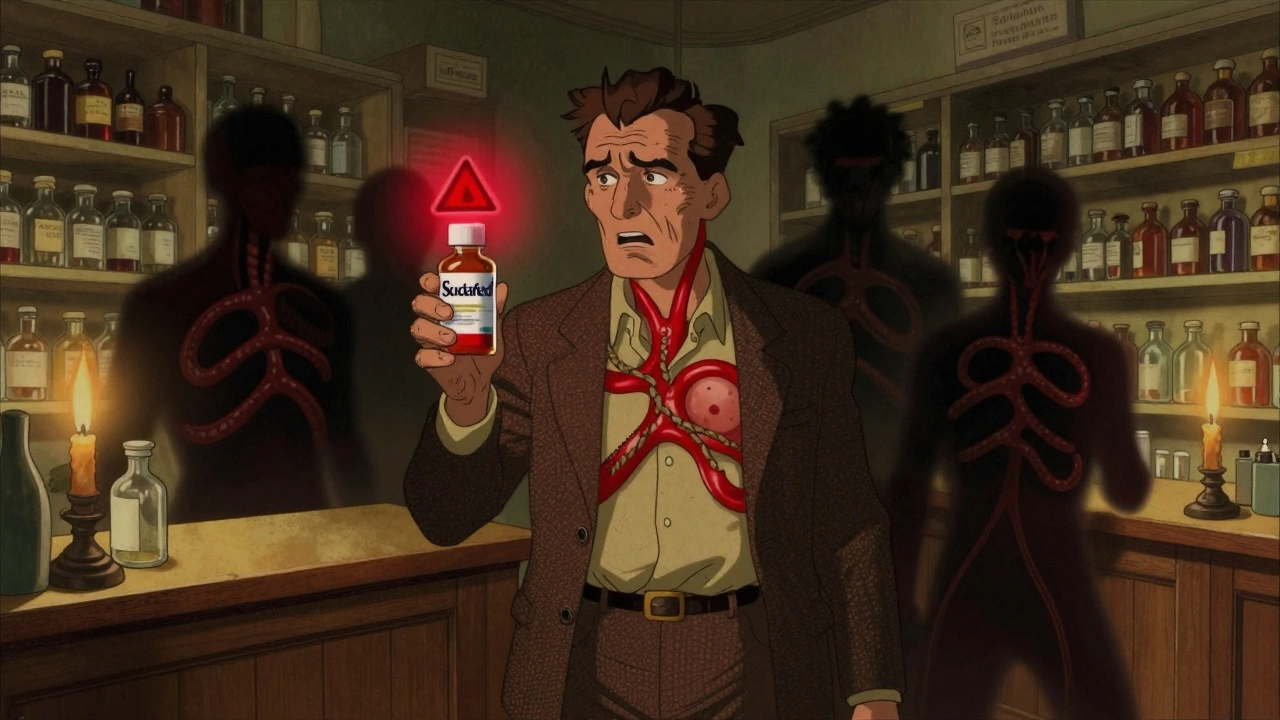
Decongestants and Blood Pressure Medications: What You Need to Know About the Risks
Decongestants like pseudoephedrine and phenylephrine can raise blood pressure and interfere with hypertension medications. Learn which OTC cold remedies to avoid and safer alternatives for nasal congestion.
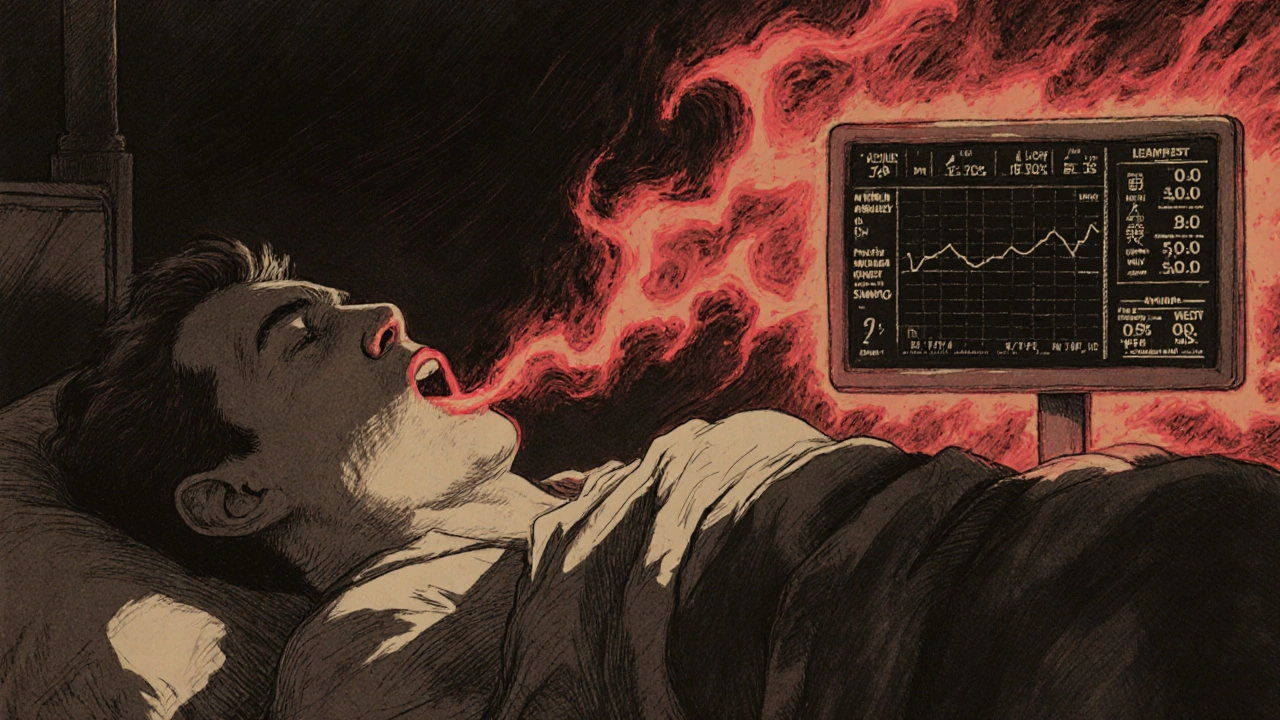
Sleep Apnea and Cardiovascular Risk: How Breathing Problems Raise Blood Pressure and Heart Disease Risk
Sleep apnea dramatically increases the risk of high blood pressure, heart attacks, stroke, and heart failure. Learn how breathing pauses during sleep trigger dangerous cardiovascular changes - and what to do about it.