
Decongestants and Blood Pressure Medications: What You Need to Know About the Risks
 Dec, 4 2025
Decongestant Safety Checker
Medication Safety Assessment
This tool helps determine if decongestants are safe for you based on your blood pressure status. Always consult your doctor before taking any medication.
Safety Assessment
Tip: For safer alternatives, consider saline nasal sprays, steam inhalation, or non-decongestant antihistamines like loratadine or cetirizine.
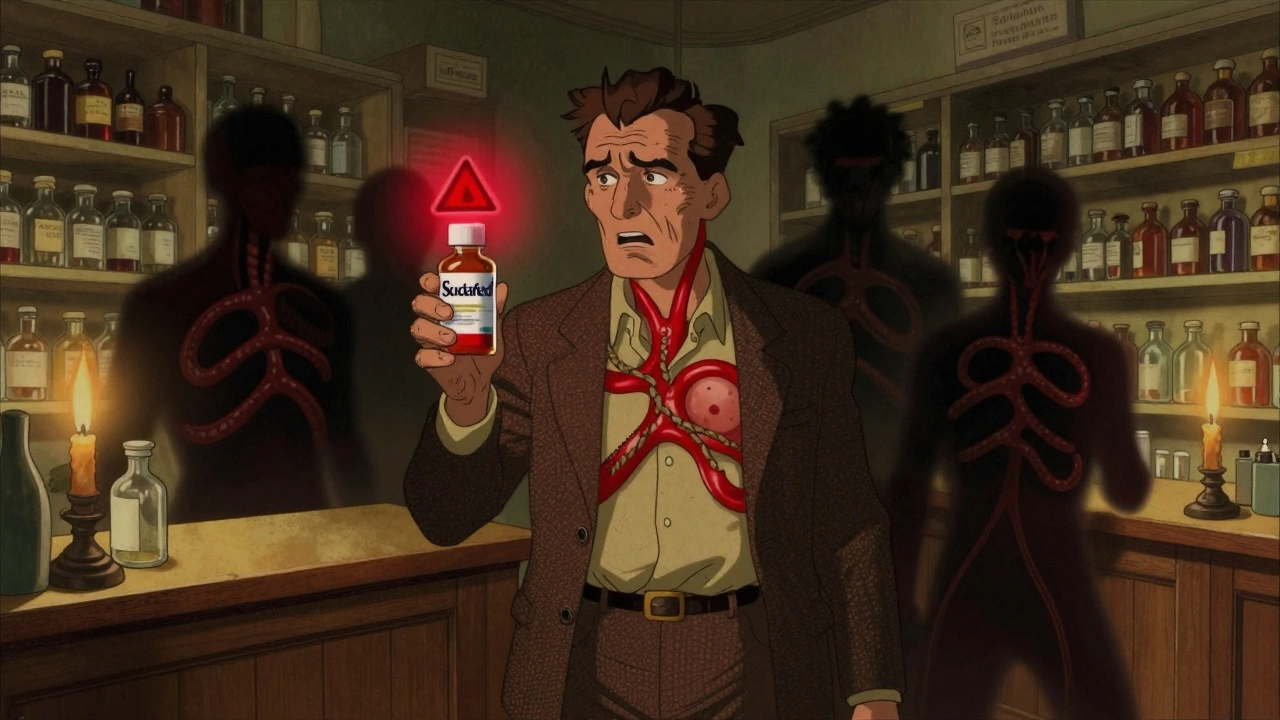
Many people reach for decongestants when they have a cold or allergies. It’s quick, easy, and available without a prescription. But if you have high blood pressure, that little bottle of Sudafed or a multi-symptom cold tablet could be doing more harm than good. The problem isn’t just about feeling worse-it’s about risking your heart, your arteries, and even your life.
How Decongestants Work-and Why They’re Dangerous for Hypertension
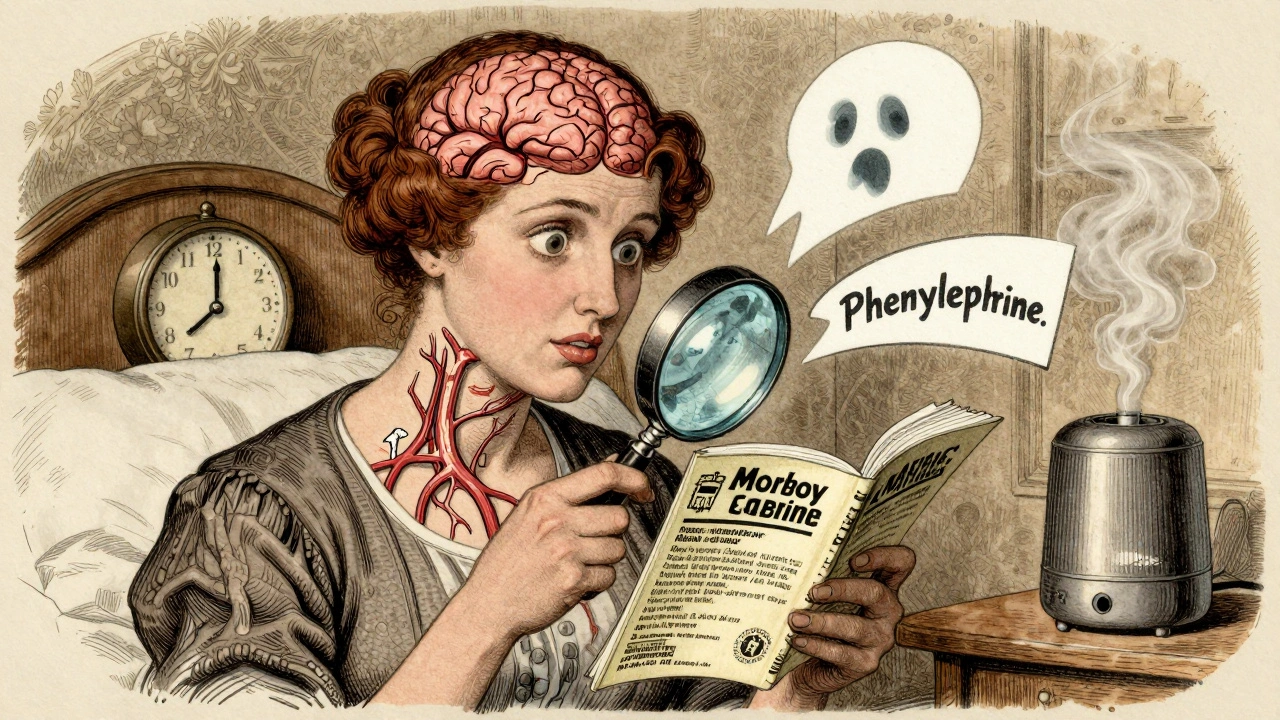
Decongestants like pseudoephedrine and phenylephrine shrink swollen blood vessels in your nose to help you breathe. That’s exactly what they’re designed to do. But here’s the catch: they don’t stop at your nasal passages. These drugs activate alpha-adrenergic receptors all over your body, causing blood vessels to tighten everywhere. That means your heart has to pump harder to push blood through narrower arteries. The result? A spike in blood pressure.
Studies show that even a single dose of pseudoephedrine can raise systolic blood pressure by 2 to 5 mm Hg on average. For most people, that’s not a big deal. But for someone with uncontrolled hypertension, that small increase can be enough to trigger a dangerous event. In rare cases, it’s led to heart attacks, strokes, and irregular heart rhythms. A case published in US Pharmacist described a 5-year-old girl whose blood pressure jumped to 135/80 after just four days of taking phenylephrine. Her numbers returned to normal once she stopped the medication.
Which Decongestants Are the Most Risky?
Not all decongestants are the same. The two most common-and most dangerous-are:
- Pseudoephedrine (found in Sudafed, Claritin-D, Zyrtec-D): This is the most studied and most potent. It’s been linked to measurable increases in blood pressure and heart rate. Because of this, it’s kept behind the pharmacy counter in the U.S. under the Combat Methamphetamine Epidemic Act.
- Phenylephrine (found in Sudafed PE, Mucinex Sinus Max, Tylenol Cold & Flu): Once thought to be safer, newer research shows it can still raise blood pressure, especially in sensitive individuals. It’s now the most common decongestant in OTC products, making it harder to avoid.
Other decongestants like ephedrine, naphazoline, and oxymetazoline (in nasal sprays like Afrin) carry similar risks. Even topical sprays can get absorbed into your bloodstream, especially if used for more than a few days.
Why Multi-Symptom Products Are a Hidden Trap
Most people don’t realize they’re taking a decongestant because it’s hidden inside a cold and flu combo pill. Look at the label of these popular products:
- Tylenol Cold and Flu
- Advil Multi-Symptom Cold and Flu
- Benadryl Allergy Plus Congestion
- Mucinex Sinus Max
- DayQuil and NyQuil (some versions)
All of these contain pseudoephedrine or phenylephrine. If you’re taking one of these for a stuffy nose, you’re also getting a cardiovascular punch. Many patients report spikes in blood pressure after taking these “just for a few days.” The American Society of Health-System Pharmacists found that about 15% of people with high blood pressure still use these products-often because they didn’t realize the decongestant was in there.
Who’s at Highest Risk?
Not everyone with high blood pressure will react the same way. But certain groups are far more vulnerable:
- Those with uncontrolled hypertension (blood pressure consistently above 140/90)
- People with heart disease, heart failure, or arrhythmias
- Patients with Prinzmetal angina (a rare type of chest pain caused by artery spasms)
- Those taking MAO inhibitors (like Nardil or Parnate) or tricyclic antidepressants
Even if your blood pressure is controlled with medication, decongestants can interfere with how well your drugs work. Beta-blockers, ACE inhibitors, and diuretics may not be able to keep up with the sudden increase in vascular resistance caused by a decongestant.
What About Sodium in Cold Medicines?
Another hidden danger? Sodium. Many liquid cold medicines, especially syrups and effervescent tablets, contain high levels of sodium as a preservative or flavoring agent. For someone on a low-sodium diet to manage hypertension, this can be just as harmful as the decongestant itself. A single dose of some liquid cold remedies can contain more than 200 mg of sodium-nearly 10% of the daily recommended limit.
Safe Alternatives for Nasal Congestion
You don’t have to suffer through a stuffy nose just because you have high blood pressure. There are safer options:
- Saline nasal sprays or rinses (like Neti pots): These physically flush out mucus without affecting your blood pressure.
- Steam inhalation: Breathing in warm, moist air from a bowl or shower helps loosen congestion naturally.
- Antihistamines without decongestants: Like loratadine (Claritin) or cetirizine (Zyrtec)-but only if your congestion is allergy-related, not from a cold.
- Humidifiers: Keeping the air moist reduces nasal dryness and swelling.
Even these alternatives should be discussed with your doctor, especially if you’re on other medications. Some antihistamines can cause drowsiness or interact with blood pressure drugs.

What Should You Do Before Taking Anything?
Here’s a simple rule: Never take an OTC cold medicine without checking the label for decongestants and sodium. Look for these words:
- Pseudoephedrine
- Phenylephrine
- Ephedrine
- Naphazoline
- Oxymetazoline
- Sodium (in the ingredients list)
If you’re unsure, ask your pharmacist. They’re trained to spot these risks. In fact, pharmacists in the U.S. now spend an average of 3 to 5 minutes per transaction counseling patients on decongestant risks-especially during cold and flu season.
The American Heart Association’s message is clear: “Just because it’s available without a prescription doesn’t mean it’s safe for everyone.”
When to Call Your Doctor
If you’ve taken a decongestant and notice any of these symptoms, stop the medication and contact your doctor right away:
- Severe headache
- Chest pain or pressure
- Fast, pounding, or irregular heartbeat
- Shortness of breath
- Sudden dizziness or vision changes
These could be signs of dangerously high blood pressure or a cardiac event. Don’t wait. Even if you feel fine, if you’re unsure whether a medication is safe, get it checked.
Final Takeaway: Know What’s in Your Medicine
High blood pressure affects nearly one in three adults in the U.S. Many of them take OTC cold remedies without realizing the risks. The truth is, decongestants aren’t off-limits for everyone with hypertension-but they’re not harmless either. For those with controlled blood pressure, occasional use under medical supervision might be okay. For others, even a single dose can be risky.
Your best defense? Read every label. Ask your pharmacist. Choose non-medicated options when you can. And remember: if it’s meant to shrink blood vessels in your nose, it’s also shrinking them in your heart and brain. That’s not worth the risk.
Can I take pseudoephedrine if my blood pressure is controlled?
Some people with well-controlled hypertension may use pseudoephedrine occasionally under a doctor’s guidance, but it’s not recommended without monitoring. Even small increases in blood pressure can be dangerous over time. Extended-release versions may be less risky than immediate-release ones, but you should always check with your provider first.
Is phenylephrine safer than pseudoephedrine?
No. While phenylephrine was once thought to be safer, recent studies show it can still raise blood pressure, especially in sensitive individuals. It’s now the most common decongestant in OTC products, making it harder to avoid. Neither is truly safe for people with uncontrolled hypertension.
Can I use nasal sprays like Afrin if I have high blood pressure?
Nasal sprays like oxymetazoline (Afrin) can be absorbed into your bloodstream and raise blood pressure, especially with prolonged use. They’re also linked to rebound congestion if used longer than 3 days. Saline sprays are a much safer option.
Do all cold medicines contain decongestants?
No, but many do. Always check the active ingredients list. Products labeled as “cold and flu,” “sinus,” or “congestion relief” almost always contain a decongestant. Stick to single-ingredient medicines like plain acetaminophen or plain antihistamines if you need symptom relief.
What should I do if I accidentally took a decongestant?
Stop taking it immediately. Monitor your blood pressure closely over the next 24 hours. If your reading rises above 180/120 or you experience chest pain, headache, or dizziness, seek medical help right away. Even if you feel fine, inform your doctor so they can adjust your treatment plan if needed.
Ali Bradshaw
December 5, 2025 AT 13:16Been there. Took Sudafed for a cold last winter, thought I was fine-ended up with a headache that felt like my skull was cracking. My BP spiked to 170/105. Didn’t even know it could happen. Now I always check labels. Learned the hard way.
Annie Grajewski
December 6, 2025 AT 19:54oh my god i just realized i’ve been taking tylenol cold & flu for 3 weeks 😭 like bro its literally just phenylephrine and sugar and i thought i was ‘getting better’???
Jimmy Jude
December 8, 2025 AT 07:19So let me get this straight-Big Pharma doesn’t want you to know that decongestants are basically slow-acting heart bombs? But they’ll sell you a bottle of it next to the gum and candy like it’s a snack? Classic. The system is rigged. Wake up, sheeple.
Rupa DasGupta
December 9, 2025 AT 21:20im crying rn 😭 i took that sudafed pe last week and now my heart feels like it’s gonna explode. why does no one warn you? i just wanted to breathe and now i’m scared to take anything. my mom says i should’ve known better but she’s not the one with the clogged sinuses 😭
ashlie perry
December 10, 2025 AT 16:27They’re hiding it in plain sight. The government knows. The pharmacists know. But they let you buy it anyway because they’re making billions off your suffering. I’ve seen the documents. This isn’t negligence-it’s intentional. You think your nose is the only thing getting constricted?
Ada Maklagina
December 10, 2025 AT 19:04Saline rinses are life. I switched after my cardiologist told me to ditch the decongestants. No more spikes. No more panic. Just a little awkward sniffing in public. Worth it.
Harry Nguyen
December 12, 2025 AT 07:30Why are we letting Big Pharma control our medicine? In Russia they don’t even sell pseudoephedrine over the counter. We’re soft. We let corporations turn our sinuses into profit centers. This is why America is dying.
Katie Allan
December 12, 2025 AT 22:28Thank you for writing this. I’ve been telling my patients this for years. So many think ‘OTC’ means ‘safe.’ It doesn’t. Always ask the pharmacist. Always read the fine print. You’re not being paranoid-you’re being responsible.
James Moore
December 14, 2025 AT 12:39Let us not forget, however, that the physiological response to alpha-adrenergic stimulation is not uniformly distributed across demographic cohorts, and while population-level data may suggest a modest increase in systolic pressure, individual variability-especially in those with comorbid autonomic dysregulation-may render even subclinical exposure perilous, particularly when combined with concurrent pharmacological interference from beta-blocker therapy, which may blunt compensatory baroreflex mechanisms, thereby exacerbating end-organ perfusion deficits. In short: it’s not just the drug-it’s the context.
Kylee Gregory
December 15, 2025 AT 14:02I used to think decongestants were harmless until my dad had a stroke after taking DayQuil. He didn’t even know it had phenylephrine. Now we keep a list of safe meds on the fridge. I wish more people knew this stuff before it was too late.
Laura Saye
December 17, 2025 AT 06:54It’s so easy to feel isolated when you have to avoid everyday remedies everyone else takes. But knowing what’s safe has given me back a sense of control. I don’t feel like I’m breaking rules-I’m honoring my body. And that’s worth the extra effort.
Stephanie Bodde
December 18, 2025 AT 05:30You got this 💪 saline spray + steam + rest = your new best friends. No decongestants needed. You’re not weak for avoiding them-you’re wise. And you’re not alone.
Philip Kristy Wijaya
December 19, 2025 AT 10:14It is a matter of profound societal neglect that individuals afflicted with chronic hypertensive conditions are routinely exposed to pharmacological agents which, by their very design, induce vasoconstrictive phenomena that directly oppose the therapeutic intent of antihypertensive regimens. The commercialization of such compounds under the guise of benign utility represents a fundamental failure of regulatory oversight and consumer education
Mellissa Landrum
December 20, 2025 AT 06:55They’re putting it in everything because they want you to keep buying it. The FDA is in their pocket. I saw a documentary-this is all planned. They want you to get sick again so you buy more. They’re not trying to help you-they’re trying to profit from your misery.