
Blood Pressure Meds: What Works, What to Watch For, and How to Save
When your doctor says you need blood pressure meds, prescription drugs designed to lower elevated arterial pressure and reduce the risk of heart attack or stroke. Also known as antihypertensives, these medications are among the most commonly prescribed in the world — not because they’re flashy, but because high blood pressure quietly damages your heart, kidneys, and brain over time. The good news? You don’t need to take the same drug as your neighbor. There are over a dozen types, each with different ways of working, side effects, and costs.
Some blood pressure meds, like ACE inhibitors and ARBs, relax blood vessels by blocking hormones that narrow them. Others, such as beta-blockers, slow your heart rate and reduce force. Then there are diuretics — the old-school water pills — that help your body flush out extra salt and fluid. Calcium channel blockers, often used when other drugs don’t work or cause side effects, stop calcium from entering heart and artery cells, which helps vessels relax. The key isn’t just picking one — it’s finding the right combo. Many people need two or three drugs to get their numbers where they need to be.
And here’s the thing most doctors don’t say out loud: blood pressure meds often have generic versions that work just as well. Amlodipine, lisinopril, hydrochlorothiazide — these are all cheap, proven, and covered by nearly every insurance plan. But mixing them with other meds? That’s where things get risky. If you’re also taking painkillers, cold medicine, or supplements like licorice root, you could be undoing the benefits — or worse, triggering a dangerous spike in pressure. That’s why tools like drug interaction checkers, apps and databases that flag dangerous combos before they cause harm matter. You wouldn’t drive without checking your mirrors. Don’t take meds without checking yours.
Some people worry about side effects — dizziness, fatigue, dry cough, swollen ankles. Those are real, but they’re not universal. And often, switching to a different class of drug fixes it. One person can’t tolerate lisinopril because of the cough, but does great on losartan. Another finds beta-blockers make them feel sluggish, so they switch to a calcium blocker. It’s trial and error, not a one-size-fits-all system.
And let’s not forget the hidden link between sleep apnea and high blood pressure. If you snore loudly, wake up gasping, or feel exhausted even after eight hours of sleep, your blood pressure meds might not be working as well as they should — because your body isn’t getting enough oxygen at night. Treating the sleep issue can cut your pill count or even bring your numbers down on their own.
What you’ll find below isn’t a list of every drug ever made. It’s a curated collection of real, practical advice from people who’ve been there: how to spot dangerous interactions, why authorized generics save hundreds a year, how to use free tools to track your meds, and what to ask your doctor when a pill isn’t working. No fluff. No marketing. Just what you need to take control — safely and affordably.
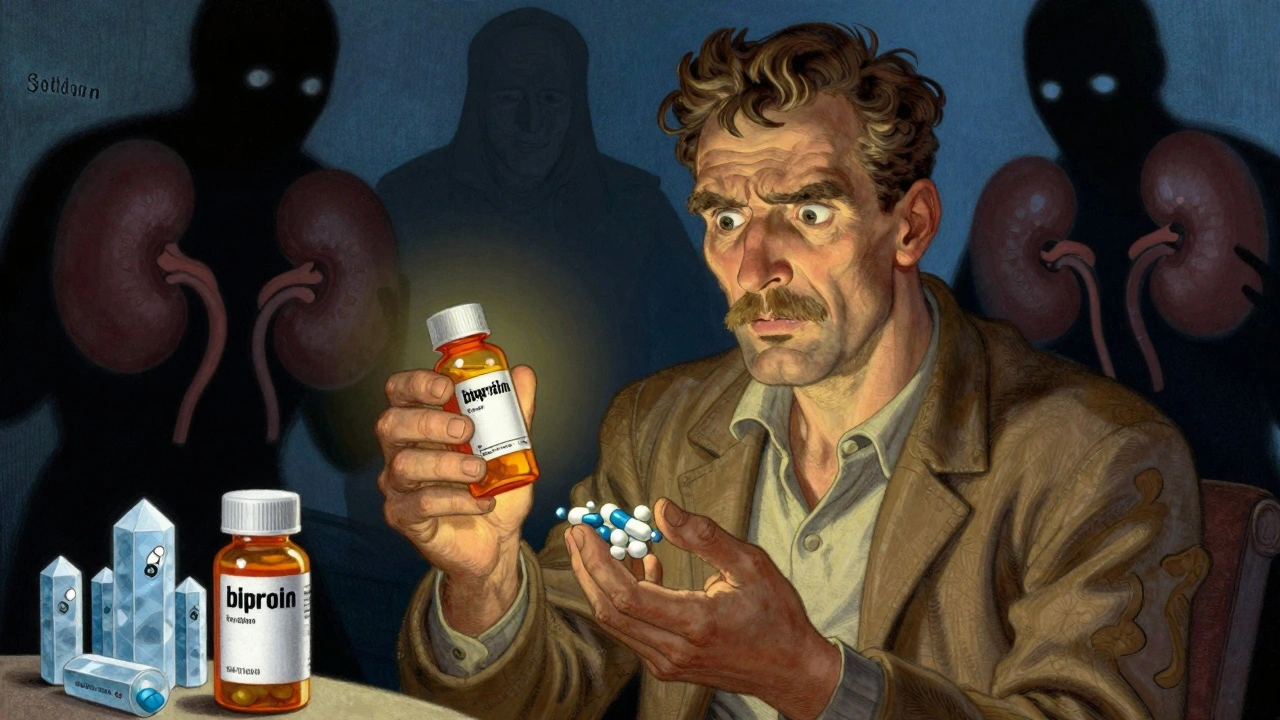
Hypertension Medications: Common Drug Interactions and Serious Complications
Hypertension medications can interact dangerously with common OTC drugs like ibuprofen, cold remedies, and supplements. Learn which combinations to avoid, how to spot warning signs, and what safer alternatives exist.