
Hypertension Medications: Common Drug Interactions and Serious Complications
 Dec, 1 2025
High blood pressure affects nearly half of all adults in the U.S., and for many, it’s managed with daily medications. But what most people don’t realize is that those pills can clash dangerously with everyday over-the-counter drugs, supplements, or even common foods. A simple ibuprofen for a headache might undo weeks of blood pressure control. A cold medicine could send potassium levels soaring. These aren’t rare edge cases-they happen daily, and they’re often avoidable.
How Antihypertensive Drugs Work-and Why They Clash
Hypertension medications fall into a few main classes: diuretics, beta-blockers, ACE inhibitors, ARBs, calcium channel blockers, and alpha-blockers. Each works differently. Diuretics flush out extra fluid. Beta-blockers slow your heart. ACE inhibitors and ARBs relax blood vessels by blocking hormones. Calcium channel blockers prevent calcium from entering heart and artery cells. And alpha-blockers reduce nerve signals that tighten blood vessels.
Here’s the problem: your body doesn’t treat these drugs in isolation. When you add another medication-especially something common like ibuprofen or a cold remedy-you’re changing how your kidneys, liver, and blood vessels respond. Some drugs block the effect of your blood pressure meds. Others make them too strong. Some cause dangerous side effects you can’t see until it’s too late.
NSAIDs: The Silent Saboteurs
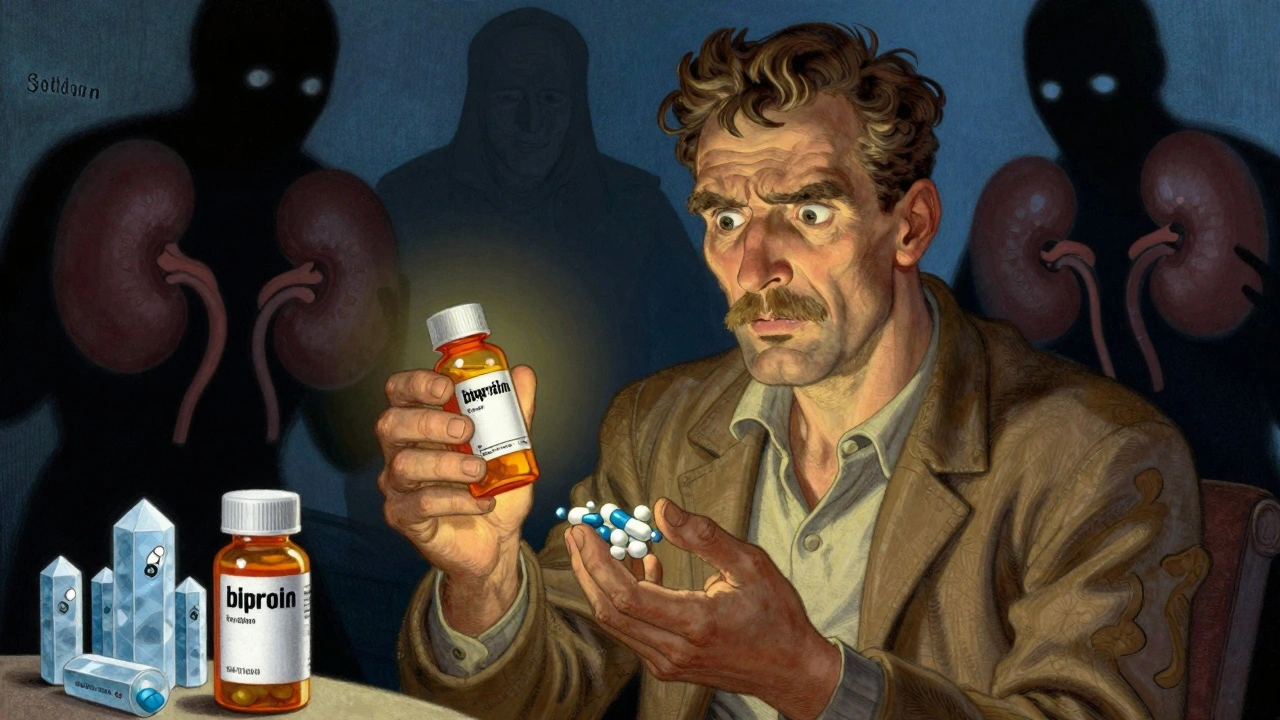
Nonsteroidal anti-inflammatory drugs (NSAIDs) like ibuprofen (Advil, Motrin), naproxen (Aleve), and even aspirin in high doses are the #1 cause of unexpected blood pressure spikes in people on antihypertensives. They’re everywhere: pain relievers, menstrual cramp meds, arthritis treatments. But they interfere with kidney function.
NSAIDs reduce blood flow to the kidneys by 15-20%. This makes it harder for your body to get rid of sodium and water. The result? Fluid retention and higher blood pressure. Studies show NSAIDs can reduce the effectiveness of ACE inhibitors, ARBs, beta-blockers, and diuretics by 5-12 mmHg systolic-enough to push someone from controlled to uncontrolled hypertension.
Worse, when you take NSAIDs with ACE inhibitors or ARBs, your risk of hyperkalemia (dangerously high potassium) jumps 2-3 times. That’s because these drugs both reduce potassium excretion. High potassium can cause irregular heartbeats, muscle weakness, or even cardiac arrest.
The American Heart Association reports that 12% of emergency visits for adverse drug events in hypertensive patients involve NSAIDs. And 78% of those cases used common OTC brands. Most patients didn’t think it was a problem.
What About Acetaminophen?
If you need pain relief and you’re on blood pressure meds, acetaminophen (Tylenol) is your safest bet. It doesn’t affect kidney blood flow or sodium balance. Studies show it reduces pain just as well as NSAIDs for mild to moderate discomfort-with no significant impact on blood pressure.
One study from WebMD’s interaction checker found acetaminophen maintains 85-90% of its pain-relieving effect without interfering with antihypertensives. That’s why pharmacists now routinely recommend it over NSAIDs for patients on ACE inhibitors, ARBs, or diuretics.
Beta-Blockers: The Most Interactive Class
Beta-blockers like metoprolol, atenolol, and propranolol are notorious for interactions. Propranolol alone interacts with over 200 drugs, according to FDA labeling. Here’s what to watch for:
- Digitalis (digoxin): Combined with beta-blockers, this raises the risk of bradycardia (dangerously slow heart rate) by 25-30%.
- NSAIDs: Reduce beta-blocker effectiveness by 8-12 mmHg systolic.
- Ethanol (alcohol): Increases dizziness and orthostatic hypotension (sudden drop in BP when standing) by 15-20%.
- MAO inhibitors (antidepressants): Can trigger a hypertensive crisis-blood pressure spikes so fast it can cause stroke or heart attack. This combo is a hard no.
- Tricyclic antidepressants (amitriptyline, nortriptyline): Increase fall risk by 35% in older adults due to dizziness and low BP.
One 2023 study found 28% of elderly patients on beta-blockers experienced clinically significant interactions with antidepressants. Many didn’t realize their mood meds were affecting their heart.
ACE Inhibitors and ARBs: The Potassium Trap
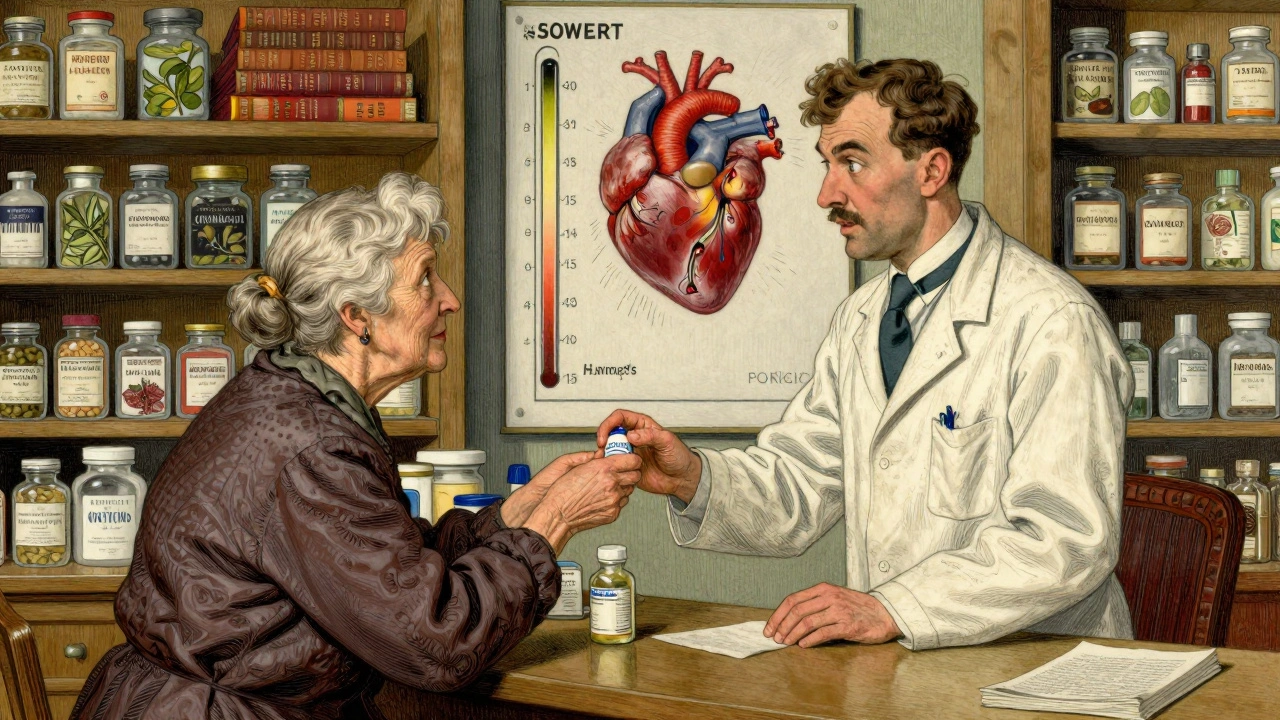
These drugs are great for protecting kidneys and reducing heart strain. But they’re also the most likely to cause trouble when combined with:
- Potassium supplements: Even a single 99 mg tablet can push serum potassium above 5.0 mEq/L in 25-30% of patients. That’s the threshold for clinical hyperkalemia.
- Lithium: Used for bipolar disorder, lithium builds up in the blood when taken with ACE inhibitors or ARBs. Toxicity risk increases by 30-40%. Symptoms include tremors, confusion, and seizures.
- NSAIDs: As mentioned, they reduce kidney filtration, making both high BP and high potassium worse.
Doctors now recommend checking potassium levels every 3-6 months for patients on ACE inhibitors or ARBs, especially if they’re also taking NSAIDs or potassium-based salt substitutes. Many patients assume salt substitutes are “healthy”-but potassium chloride can be just as risky as supplements.
Calcium Channel Blockers and Statins: A Deadly Mix
Calcium channel blockers like amlodipine, diltiazem, and verapamil are common. But when paired with certain statins, they can cause muscle breakdown (rhabdomyolysis)-a rare but life-threatening condition.
The ALLHAT-LLT trial showed that amlodipine increases simvastatin levels in the blood by 77%. That’s why the FDA mandated in 2016 that simvastatin doses be capped at 10 mg daily when taken with diltiazem or verapamil. Higher doses can cause muscle pain, weakness, and kidney failure.
Even worse: amiodarone (used for irregular heart rhythms) increases simvastatin exposure by 5-7 times. If you’re on both, your doctor should switch you to pravastatin or rosuvastatin-drugs less affected by this interaction.
What About Supplements and Herbal Products?
People think “natural” means safe. It doesn’t.
- St. John’s Wort: Speeds up liver metabolism of beta-blockers and some calcium channel blockers, making them less effective.
- Garlic supplements: Can enhance the effect of blood pressure meds, leading to low BP and dizziness.
- Black licorice: Contains glycyrrhizin, which mimics aldosterone and raises BP. Just 2 ounces a day can undo weeks of medication.
- Yohimbine: Used for erectile dysfunction, it can spike blood pressure and cause palpitations when mixed with alpha-blockers.
A 2023 survey found that 42% of hypertensive patients took at least one herbal supplement without telling their doctor. Most didn’t think it mattered.
How to Protect Yourself
You don’t have to live in fear. You just need to be smart.
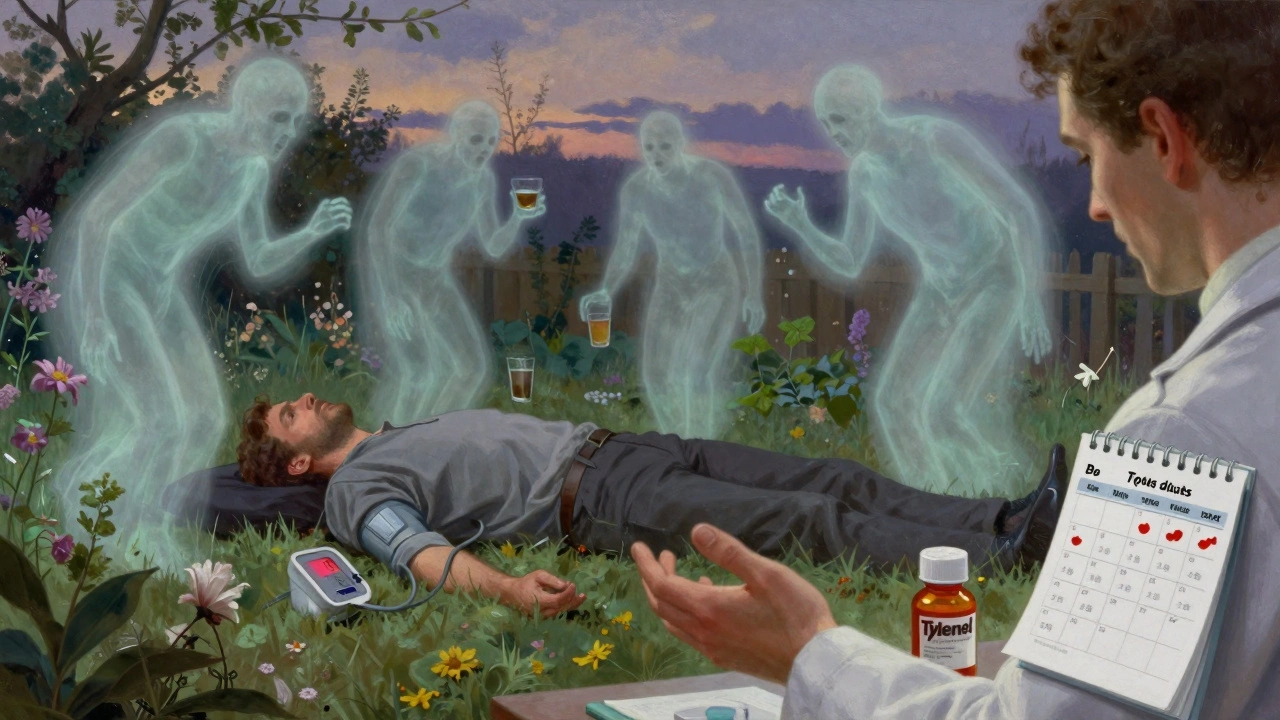
- Always tell every doctor and pharmacist what you’re taking-prescription, OTC, and supplements. Even “just a little” ibuprofen or a vitamin with potassium.
- Use acetaminophen for pain, not NSAIDs. If you need something stronger, ask for alternatives.
- Check your potassium levels regularly. If you’re on an ACE inhibitor or ARB, ask your doctor for a blood test every 3-6 months.
- Don’t assume supplements are safe. Talk to your pharmacist before starting anything new.
- Use one pharmacy. They can flag interactions your doctors might miss.
Pharmacist-led medication reviews cut hypertension-related interactions by 40-45%. That’s huge. Yet only 38% of primary care providers routinely ask about OTC meds during hypertension visits.
The Future: AI and Personalized Medicine
Technology is starting to catch up. Mayo Clinic’s AI system predicts dangerous drug interactions with 88% accuracy-better than standard clinical tools. The FDA now tracks 17 genetic markers that affect how people process blood pressure meds. For example, people with a CYP2D6 poor metabolizer gene break down metoprolol slower. When they take fluoxetine (an antidepressant), they need 25-30% less metoprolol to avoid side effects.
These advances are still new, but they’re coming fast. In the meantime, the best protection is still simple: know what you’re taking, ask questions, and never assume a drug is harmless just because it’s sold over the counter.
When to Call Your Doctor
Call immediately if you experience:
- Sudden dizziness or fainting when standing
- Unexplained muscle pain or weakness, especially with fever or dark urine
- Irregular heartbeat, chest pain, or shortness of breath
- Swelling in your hands, feet, or face
- Nausea, vomiting, or confusion
These could signal a dangerous interaction. Don’t wait. Don’t guess. Call.
Can I take ibuprofen if I have high blood pressure?
It’s not recommended. Ibuprofen and other NSAIDs can raise your blood pressure and reduce the effectiveness of your antihypertensive medications by 5-12 mmHg. They also increase your risk of kidney damage and high potassium. For pain relief, use acetaminophen (Tylenol) instead.
Do blood pressure meds interact with cold medicines?
Yes. Many cold and flu medicines contain pseudoephedrine or phenylephrine, which are decongestants that raise blood pressure. They can undo weeks of medication control. Look for “BP-safe” labels or ask your pharmacist for alternatives like saline sprays or guaifenesin-only formulas.
Can I use salt substitutes if I’m on blood pressure meds?
Be careful. Many salt substitutes contain potassium chloride. If you’re on an ACE inhibitor, ARB, or potassium-sparing diuretic, this can cause dangerously high potassium levels. Talk to your doctor before switching. You might be better off reducing sodium naturally by eating more whole foods and avoiding processed meals.
What should I do if I forget to take my blood pressure pill?
Don’t double up. Take the missed dose if it’s within 4-6 hours of your usual time. If it’s later, skip it and take your next dose at the regular time. Doubling up can cause your blood pressure to drop too low. If you miss doses often, talk to your doctor about a simpler regimen or pill organizer.
Why do I need to check my potassium levels?
ACE inhibitors, ARBs, and some diuretics reduce how much potassium your body removes. If you also take supplements, salt substitutes, or NSAIDs, potassium can build up. High potassium (above 5.0 mEq/L) can cause heart rhythm problems or even cardiac arrest. Checking it every 3-6 months catches this early.
Are generic blood pressure meds as safe as brand names?
Yes. Generic medications must meet the same FDA standards for safety, strength, and effectiveness as brand names. The only difference is cost. But always stick with the same manufacturer if possible-small variations in fillers can affect absorption in sensitive patients.
If you’re on blood pressure medication, your health isn’t just about the pill you take-it’s about everything else you put in your body. A single OTC drug can undo months of progress. But with the right knowledge, you can stay in control-and stay safe.
ATUL BHARDWAJ
December 3, 2025 AT 06:49Acetaminophen is the way.
Steve World Shopping
December 5, 2025 AT 00:01Rebecca M.
December 5, 2025 AT 21:49Lynn Steiner
December 6, 2025 AT 08:40My blood pressure is MY business. If I want to take ibuprofen and risk it, that’s my choice. You don’t know my life. You don’t know my pain. Stop judging.
मनोज कुमार
December 7, 2025 AT 20:26Joel Deang
December 9, 2025 AT 10:56anyone else feel like their meds are a russian roulette game?
Roger Leiton
December 11, 2025 AT 03:38Pharmacists are your real heroes here. Use one pharmacy. Tell them everything. Even the ‘tiny’ stuff.
Zed theMartian
December 11, 2025 AT 13:08Ella van Rij
December 11, 2025 AT 16:34Alicia Marks
December 13, 2025 AT 04:20Paul Keller
December 14, 2025 AT 22:36Shannara Jenkins
December 16, 2025 AT 19:42Elizabeth Grace
December 17, 2025 AT 02:12😭
Steve Enck
December 18, 2025 AT 15:39