
SSRI Sexual Dysfunction: What It Is, Why It Happens, and What You Can Do
When you start taking an SSRI, a class of antidepressants that increase serotonin levels in the brain to improve mood. Also known as selective serotonin reuptake inhibitors, these drugs include well-known brands like Prozac, Zoloft, and Lexapro. They work for many people—but for a lot of them, the cost is SSRI sexual dysfunction, a group of sexual side effects that can include reduced desire, trouble getting or keeping an erection, delayed orgasm, or complete loss of pleasure during sex.
This isn’t rare. Studies show up to 70% of people on SSRIs experience some form of sexual side effect. Yet, many never tell their doctor because they feel embarrassed, or assume it’s just part of being depressed. But here’s the truth: SSRI sexual dysfunction isn’t a personal failure. It’s a known biological response. Serotonin helps regulate mood, but too much of it can shut down the pathways that control arousal and orgasm. It’s like turning up the volume on one system while accidentally muting another. And it doesn’t always go away after a few weeks. For some, it sticks around as long as they’re on the drug—even years.
Who’s most affected? Women report lower libido more often, while men are more likely to have trouble with erections or delayed ejaculation. Older adults and people with pre-existing sexual issues are at higher risk. But it can happen to anyone—even those who never had problems before starting treatment. What’s more, some people think switching to a different SSRI will fix it. It might help a little, but the problem often stays. That’s why it’s important to know your options: dose adjustments, drug holidays, adding medications like bupropion, or even switching to non-SSRI antidepressants like mirtazapine or vortioxetine. None of these are one-size-fits-all, but they’re all real tools doctors use every day.
You’ll also find posts here that connect SSRI sexual dysfunction to other health topics you might not expect. For example, hyponatremia, a drop in blood sodium levels that SSRIs can cause, especially in older adults, shares risk factors with sexual side effects—both are more common in older people and can be worsened by dehydration or other meds. And if you’re dealing with depression and sexual issues at the same time, you’re not alone. The same people who struggle with depression management, using meds, therapy, and lifestyle changes to improve mood often need to balance emotional recovery with physical well-being. That’s why the posts here don’t just list problems—they show how to navigate them together.
What you’ll find below isn’t just a list of articles. It’s a practical toolkit. You’ll see how to use drug interaction checkers to avoid combinations that make sexual side effects worse. You’ll learn how to talk to your doctor about this without feeling awkward. You’ll find real advice on what to do when your meds help your mood but hurt your sex life—and what alternatives exist that don’t carry the same risk. This isn’t about giving up on treatment. It’s about making it work better—for your mind and your body.
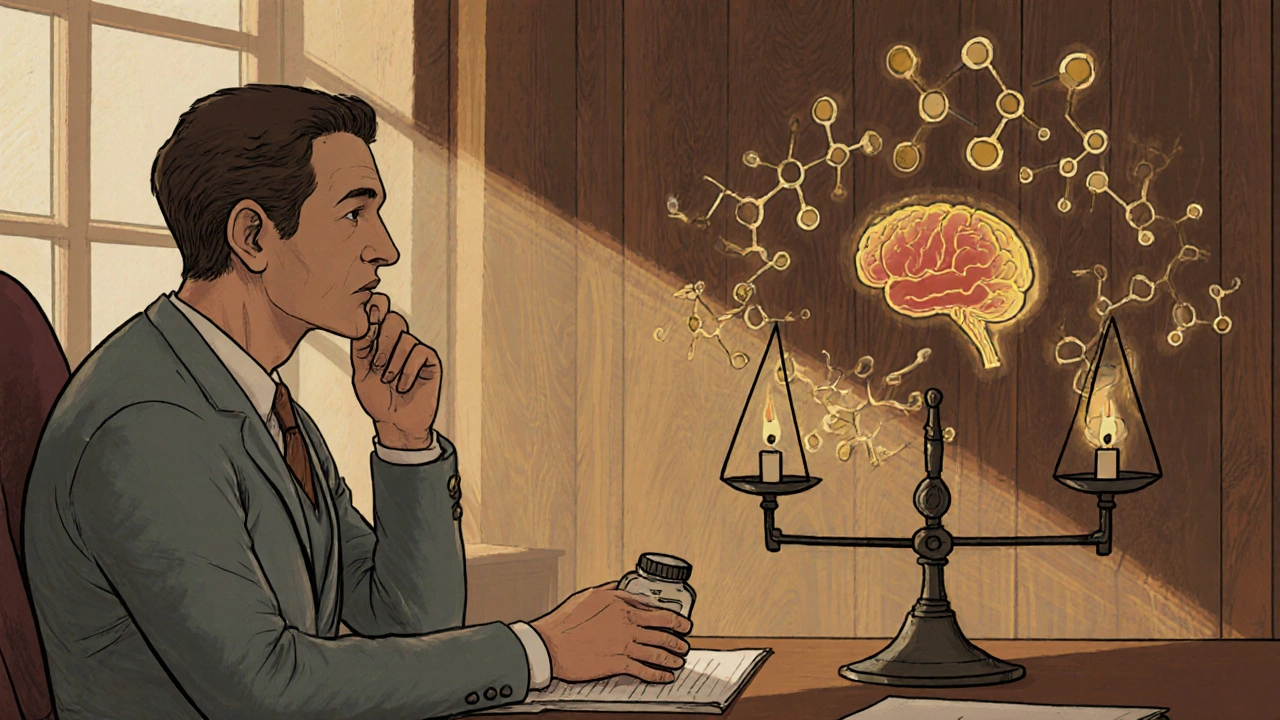
Sexual Side Effects from Antidepressants: Proven Solutions and Alternatives
Sexual side effects from antidepressants affect up to 70% of users, but solutions like switching to bupropion, adding sildenafil, or using cyproheptadine can help. Learn what works, what doesn't, and how to talk to your doctor.