
Sleep Apnea: Causes, Treatments, and What You Need to Know
When you have sleep apnea, a condition where breathing repeatedly stops and starts during sleep. Also known as obstructive sleep apnea, it’s not just snoring—it’s your body struggling to get air while you’re asleep. Many people don’t even know they have it because the episodes last only a few seconds and you wake up just enough to breathe, but not enough to remember it. Over time, this breaks your sleep cycle, leaves you exhausted during the day, and raises your risk for high blood pressure, heart disease, and stroke.
It happens when the muscles in the back of your throat relax too much and block your airway. That’s obstructive sleep apnea, the most common form, affecting over 20 million adults in the U.S.. Less common is central sleep apnea, where your brain doesn’t send the right signals to breathe. Risk factors include being overweight, having a thick neck, being male, being over 40, or having a family history. It’s also more likely if you smoke, drink alcohol before bed, or use sedatives.
The good news? It’s treatable. CPAP therapy, a device that delivers steady air pressure through a mask to keep your airway open is the gold standard—and it works for most people. But it’s not the only option. Weight loss, sleeping on your side, oral appliances, and even surgery can help depending on your case. Lifestyle changes like cutting alcohol, quitting smoking, and avoiding late-night meals make a real difference.
Doctors often recommend a sleep study to confirm the diagnosis. You don’t need to sleep in a hospital—many tests can be done at home with a portable monitor. If you’re constantly tired, wake up gasping, or your partner says you stop breathing at night, don’t ignore it. Left untreated, sleep apnea doesn’t just ruin your rest—it puts your long-term health at risk.
Below, you’ll find practical guides on managing sleep apnea, how medications interact with treatment, what to do if CPAP doesn’t work, and how other conditions like depression or heart issues tie into your sleep health. These aren’t just theory—they’re real strategies people use every day to breathe easier, sleep deeper, and feel more alive.
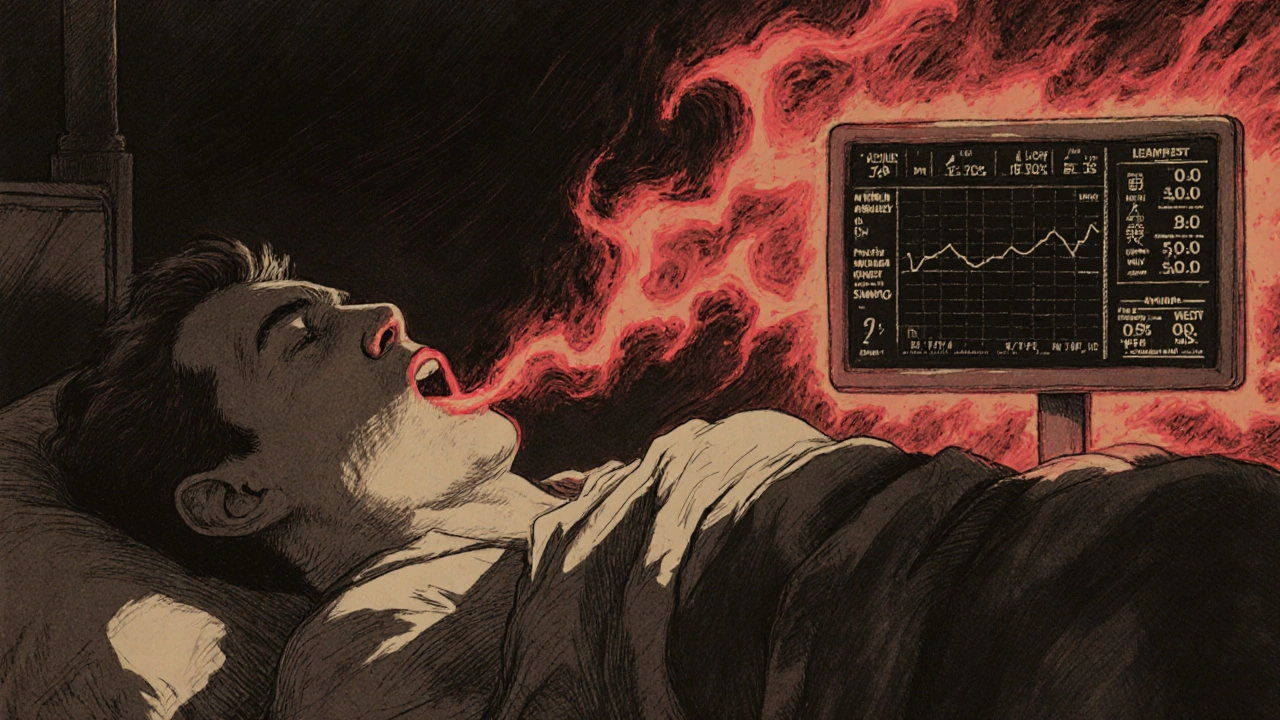
Sleep Apnea and Cardiovascular Risk: How Breathing Problems Raise Blood Pressure and Heart Disease Risk
Sleep apnea dramatically increases the risk of high blood pressure, heart attacks, stroke, and heart failure. Learn how breathing pauses during sleep trigger dangerous cardiovascular changes - and what to do about it.