
Obstructive Sleep Apnea: Causes, Treatments, and What You Need to Know
When you have obstructive sleep apnea, a condition where throat muscles relax too much during sleep, blocking airflow and causing breathing to stop and start. Also known as OSA, it’s not just loud snoring—it’s a serious health issue that increases your risk of high blood pressure, heart disease, and stroke. If you wake up gasping, feel exhausted even after a full night’s sleep, or your partner says you stop breathing while sleeping, you’re not alone. Over 20 million adults in the U.S. have it, and most don’t even know it.
What causes it? Usually, it’s physical—extra weight around the neck, a thick tongue, or a narrow airway. But it’s also linked to age, gender, and family history. Men over 40 are more likely to have it, but women after menopause catch up fast. Alcohol and sedatives make it worse by relaxing muscles even more. And if you’ve tried nasal strips or throat sprays that didn’t work, that’s because they don’t fix the root problem: your airway collapsing.
The gold standard treatment is CPAP therapy, a machine that delivers steady air pressure through a mask to keep your airway open. It’s not glamorous, but it works—studies show people who use it regularly feel more alert, think clearer, and have lower blood pressure within weeks. But CPAP isn’t the only option. Oral appliances that reposition your jaw, weight loss, positional therapy (sleeping on your side), and even surgery are real choices depending on your case. Some people find relief by changing their sleep position or quitting alcohol at night. Others need a combination.
And it’s not just about sleep. Left untreated, obstructive sleep apnea is tied to depression, memory problems, and even reduced effectiveness of certain medications. For example, people with OSA often need higher doses of blood pressure meds because their bodies are under constant stress from interrupted breathing. If you’re on antidepressants or beta-blockers, your doctor should know about your sleep habits. It changes how those drugs work—and how safe they are.
You’ll find real stories here: how people switched from CPAP to an oral device, what worked when weight loss stalled, how one man stopped snoring after changing his pillow, and why some sleep studies miss mild cases. We cover tools, side effects, alternatives, and what to ask your doctor—no fluff, no jargon. Just what helps, what doesn’t, and what no one tells you until it’s too late.
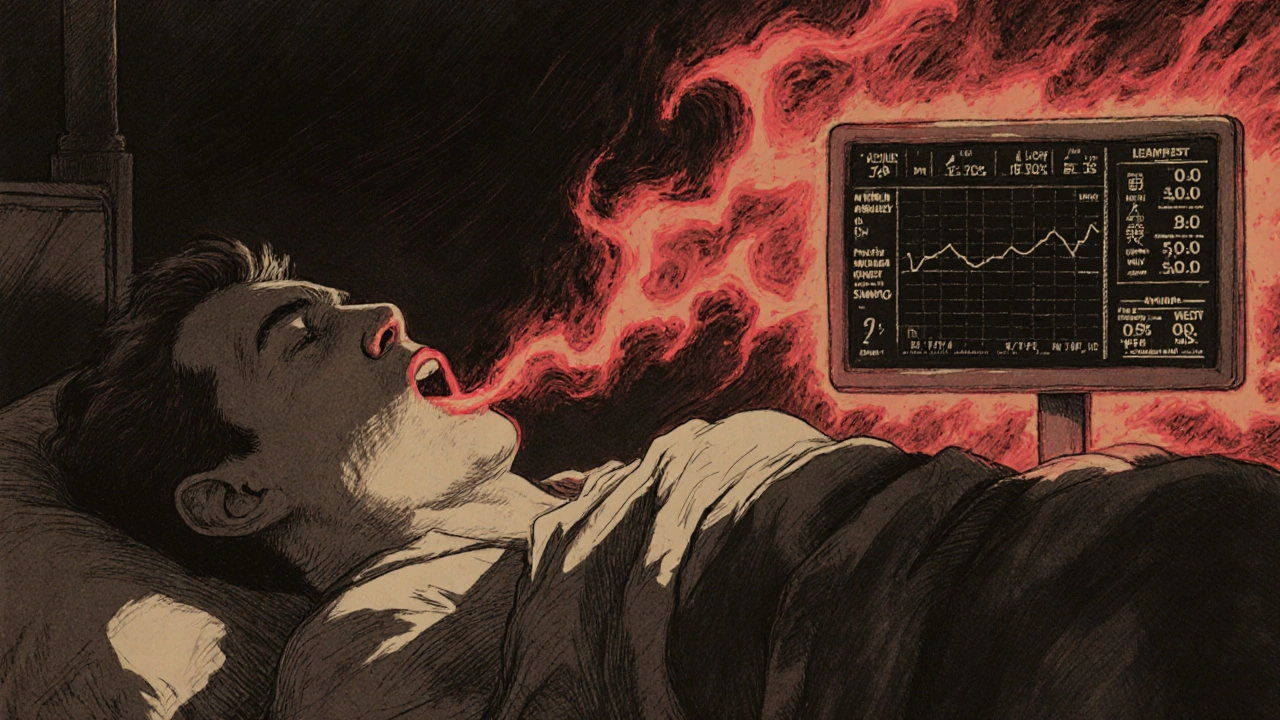
Sleep Apnea and Cardiovascular Risk: How Breathing Problems Raise Blood Pressure and Heart Disease Risk
Sleep apnea dramatically increases the risk of high blood pressure, heart attacks, stroke, and heart failure. Learn how breathing pauses during sleep trigger dangerous cardiovascular changes - and what to do about it.