
GDUFA: What It Means for Generic Drugs and Your Medication Costs
When you pick up a generic pill that costs a fraction of the brand-name version, you’re seeing the impact of GDUFA, the Generic Drug User Fee Act, a U.S. law that lets the FDA collect fees from drugmakers to speed up reviews of generic medications. Also known as Generic Drug User Fee Amendments, it’s the reason thousands of affordable generics hit the market faster than ever before. Before GDUFA, waiting months — sometimes over a year — for approval was normal. Now, thanks to this law, the FDA has the resources to hire more reviewers, update inspection systems, and cut through paperwork that once delayed life-saving generics.
GDUFA doesn’t just help patients save money — it forces companies to play by clearer rules. It requires manufacturers to submit complete, accurate data before the FDA even starts reviewing their drug. That means fewer rejections, fewer delays, and less risk of unsafe or ineffective generics slipping through. It also ties inspections to quality, not just quantity. If a factory has a history of violations, GDUFA lets the FDA prioritize checking it. And when a generic drug is approved, the law ensures the FDA tracks its safety just like brand-name drugs. This isn’t just bureaucracy — it’s about making sure your cheap pill works just as well as the expensive one.
Under GDUFA, the FDA also tracks how many generic versions of a drug enter the market. More competitors usually mean lower prices. That’s why drugs like metformin or lisinopril cost pennies today — GDUFA helped clear the path for dozens of makers to compete. But it’s not perfect. Some complex generics, like biosimilars or injectables, still take longer to approve. And when patent expiries happen, the flood of generics can overwhelm supply chains — leading to shortages. That’s why GDUFA is constantly updated, with new versions like GDUFA II and III adding stricter quality controls and better transparency.
You’ll find posts here that connect directly to GDUFA’s real-world effects: how patent expiry triggers a wave of generics, why some drugs stay expensive even after patents expire, and how FDA inspections impact your daily meds. You’ll also see comparisons between brand-name drugs and their generic versions, and how drug pricing shifts when multiple makers enter the market. Whether you’re managing diabetes with generic metformin, treating high blood pressure with a cheap lisinopril, or wondering why your prescription suddenly changed — GDUFA is the quiet force behind it all. This collection pulls together the stories, data, and practical advice you need to understand what’s really in your medicine cabinet — and why it costs what it does.
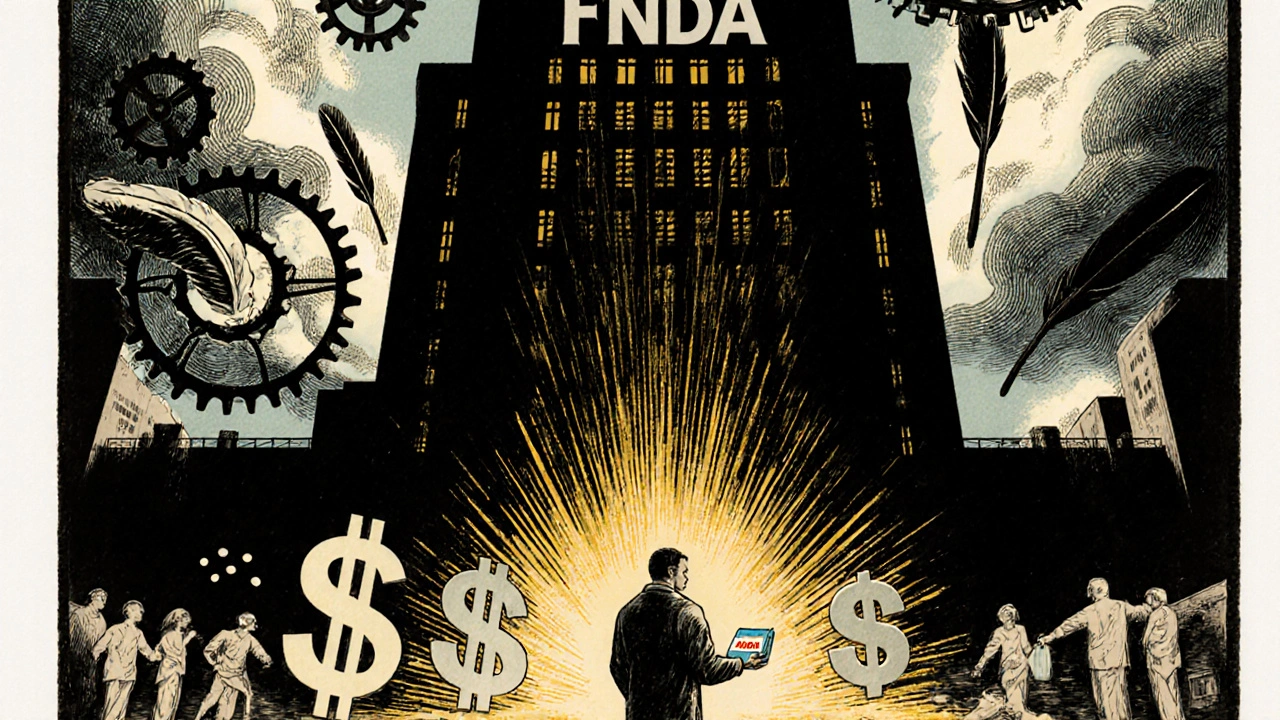
Generic Drug User Fees: How FDA Funding Speeds Up Access to Affordable Medications
GDUFA funds FDA reviews of generic drugs through industry fees, cutting approval times from years to months. Learn how these fees work, who pays them, and why they matter for affordable medicine.