
FDA Orange Book: What It Is and Why It Matters for Generic Drugs
When you pick up a generic pill at the pharmacy, you might not think about what made it legal to sell—but the FDA Orange Book, a public database of approved drug products with therapeutic equivalence evaluations. Also known as Approved Drug Products with Therapeutic Equivalence Evaluations, it’s the official list that tells pharmacists and doctors which generic versions can safely replace brand-name drugs. This isn’t just paperwork—it’s the backbone of affordable medicine in the U.S.
The FDA Orange Book doesn’t just list drugs. It tracks patent expiry dates, market exclusivity periods, and whether a generic version has been approved under an ANDA (Abbreviated New Drug Application). These details matter because they control when cheaper versions hit the market. For example, if a drug’s patent expires but it still has orphan drug exclusivity, no generic can enter for years—even if the patent is gone. That’s why you’ll see posts here about how pharmaceutical companies stretch monopolies using Hatch-Waxman Act loopholes, pediatric study extensions, or patent thickets. The FDA Orange Book is where all of that is recorded.
It’s also where you find out if a generic drug is truly interchangeable. Not all generics are created equal. The Orange Book gives each approved drug a therapeutic equivalence code—like ‘AB’ meaning it’s bioequivalent and can be substituted without a doctor’s note. If a generic has an ‘AB’ code, your pharmacist can swap it for the brand name. If it’s ‘BX,’ it’s not approved for substitution. This is critical for people on tight budgets or managing chronic conditions. You don’t want to be stuck paying more because your pharmacy didn’t know the code.
Behind every post here about generic drug user fees, biosimilars, or patent cliffs, you’ll find the FDA Orange Book pulling the strings. It’s the source that tells regulators, manufacturers, and patients when a drug can be copied, who gets to make it, and how long the original maker gets to charge high prices. If you’ve ever wondered why some generics appear quickly after a brand-name drug loses protection while others take years, the answer starts here. What you’re about to read isn’t just a list of articles—it’s a map to understanding how your medication gets made, priced, and approved. And it all ties back to this one public database that most people never hear about—but that controls billions in drug spending every year.
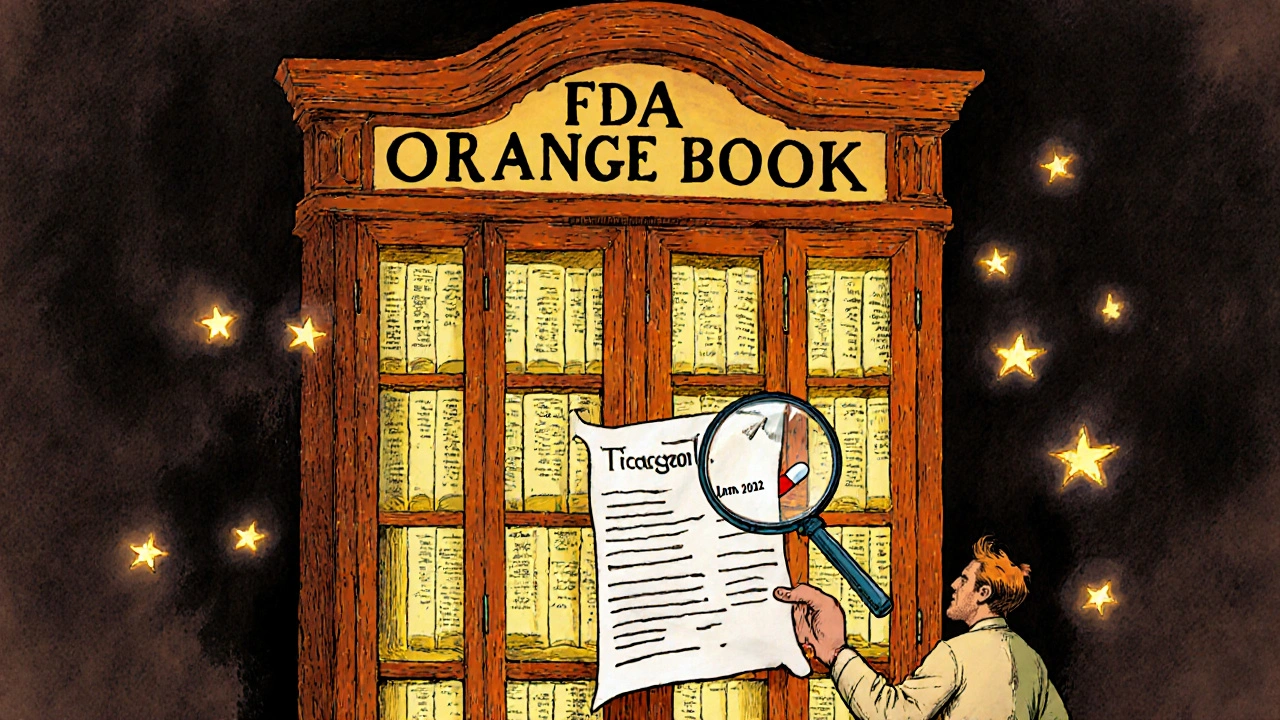
FDA Orange Book: Where to Find Patent Expiration Dates for Generic Drug Entry
Learn where to find patent expiration dates in the FDA Orange Book to predict when generic drugs will become available. Understand exclusivity, patent use codes, and how to spot early expirations.