
Drug Patent Timeline: How Long Do Medications Stay Exclusive?
When a new drug hits the market, its drug patent timeline, the legal period during which a company has exclusive rights to sell a medication without competition. Also known as pharmaceutical monopoly period, it typically starts at the moment the patent is filed—often years before the drug even reaches pharmacies. This timeline isn’t just about patents. It’s a mix of legal rules, regulatory tricks, and industry strategies that can stretch a drug’s monopoly well beyond 20 years. The Hatch-Waxman Act, a 1984 U.S. law designed to balance innovation and affordability. Also known as Drug Price Competition and Patent Term Restoration Act, it was meant to speed up generic drugs while protecting innovators. But over time, it’s become a tool for extending monopolies, not breaking them.
Most brand-name drugs get 20 years of patent protection from the filing date. But because clinical trials take 7–10 years, the actual time a company has to sell the drug without competition is often only 10–13 years. To make up for lost time, companies can apply for patent extensions, additional years granted by the FDA for delays in approval. Also known as patent term restoration, these can add up to five extra years—sometimes pushing exclusivity past 25 years. Then there’s market exclusivity, separate legal protections that block generics even after the patent expires. Also known as data exclusivity, this comes from things like orphan drug status, pediatric studies, or new formulations. For example, if a company tests a drug on kids—even if it’s not meant for children—they get six extra months of exclusivity. That’s not innovation. That’s a loophole. And when multiple patents pile up around one drug—covering pills, delivery methods, or dosages—it’s called a patent thicket, a dense web of overlapping patents designed to block generics. Also known as evergreening, this tactic keeps prices high long after the original invention is outdated.
When these protections finally expire, the drug patent timeline ends—and that’s when real savings kick in. Generic versions can flood the market, often cutting prices by 80% or more. But it’s not always smooth. Sometimes shortages happen. Sometimes side effects reappear because new manufacturers use different fillers. And sometimes, patients don’t even know their brand-name drug has become generic. That’s why understanding this timeline matters—not just for your wallet, but for your health. Below, you’ll find real-world examples of how these rules play out: from how a single pediatric study can delay a generic by years, to how the FDA’s funding system speeds up approval once the patent clock runs out. These aren’t abstract policies. They’re the reason your prescription costs $500 one year and $20 the next.
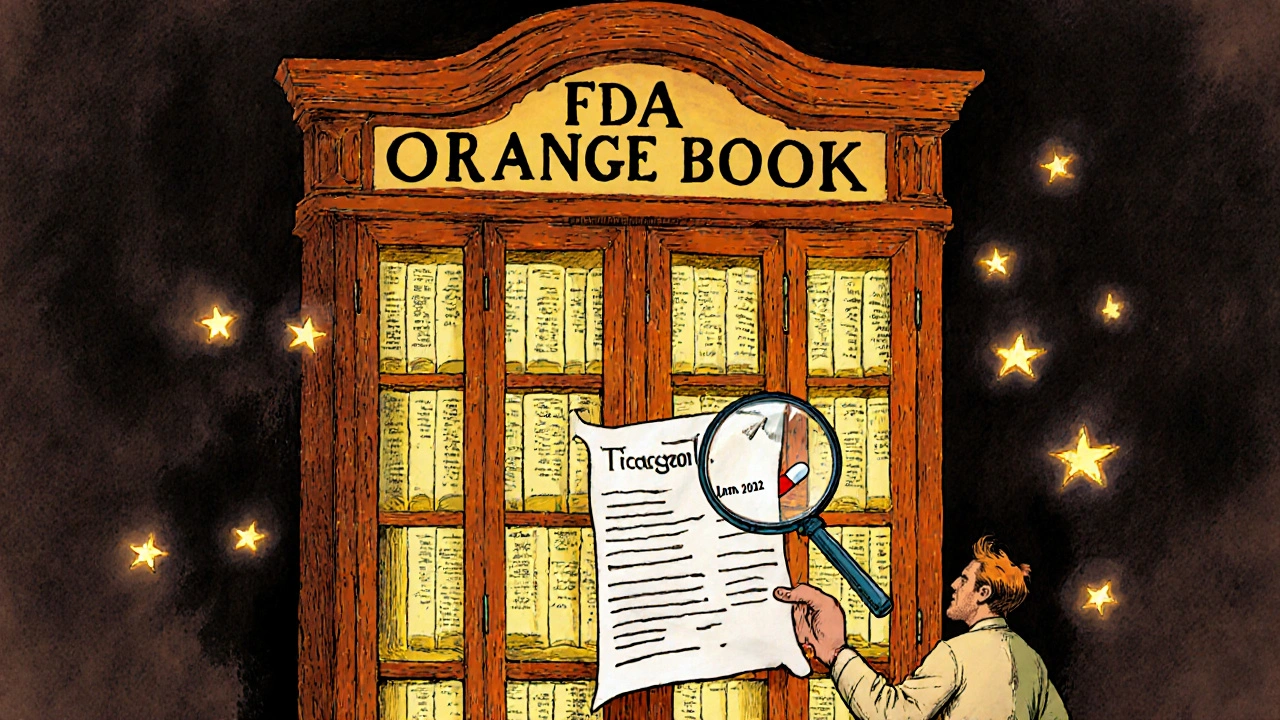
FDA Orange Book: Where to Find Patent Expiration Dates for Generic Drug Entry
Learn where to find patent expiration dates in the FDA Orange Book to predict when generic drugs will become available. Understand exclusivity, patent use codes, and how to spot early expirations.