
CBT for Depression: How Cognitive Behavioral Therapy Works and What Works Best
When you're stuck in a loop of negative thoughts that make everyday life feel heavy, CBT for depression, a structured, time-limited therapy that helps rewire how you think and react to stress. Also known as cognitive behavioral therapy, it's not about positive thinking—it's about spotting distorted thoughts and replacing them with ones that match reality. Unlike meds that change brain chemistry, CBT gives you tools you can use right away: journaling, thought records, behavioral experiments. It’s what therapists reach for first because it works—studies show it’s as effective as antidepressants for mild to moderate depression, and the effects last longer after treatment ends.
CBT doesn’t treat depression in a vacuum. It connects directly to other mental health tools you might already be using. For example, if you’re struggling with anxiety, a common companion to depression that fuels avoidance and rumination, CBT teaches you how to break the cycle of panic spirals using breathing and grounding—skills you’ll see covered in posts about panic attack plans. If you’re on SSRIs, antidepressants often prescribed alongside therapy to stabilize mood, CBT helps you stay engaged when side effects like fatigue or brain fog make motivation hard. And if you’re dealing with sleep issues—like those linked to sleep apnea, a condition that worsens depression by disrupting restorative sleep—CBT can help you build better sleep habits even before meds or devices kick in.
What you won’t find in CBT is vague advice like "just be happier" or "think positive." Instead, you’ll get concrete steps: writing down automatic thoughts, challenging catastrophizing, scheduling small activities to fight withdrawal. The posts below show how real people use these techniques alongside medication, lifestyle changes, and even tech tools like mood trackers. Some share how they used CBT principles to manage panic attacks. Others show how therapy helped them spot triggers tied to medication side effects or chronic pain. You’ll see how CBT isn’t just for depression—it’s a framework that helps you take back control, no matter what else you’re dealing with.
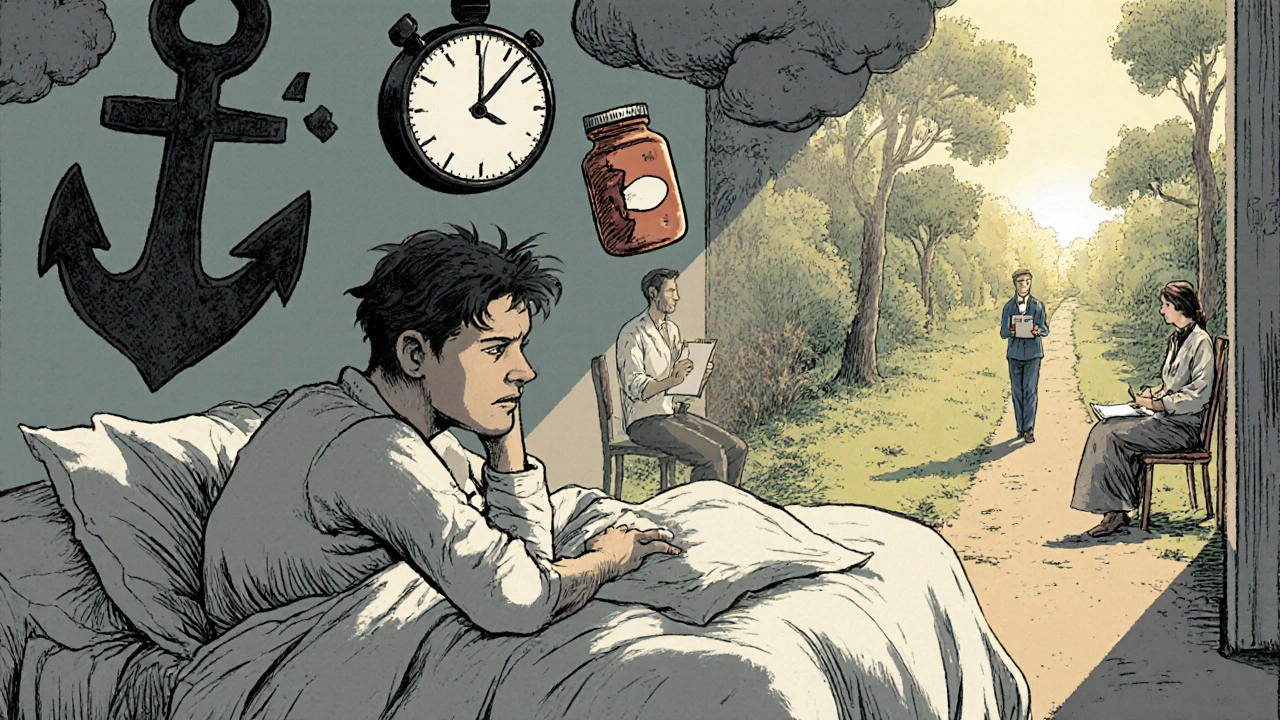
Depression Management: Medications, Therapy, and Lifestyle Changes That Work
Depression is treatable with medication, therapy, and lifestyle changes. Learn evidence-based strategies for managing symptoms based on severity, from exercise and CBT to antidepressants and advanced treatments.