
Antifibrotic Drugs: What They Are, How They Work, and Which Conditions They Treat
When your body tries to heal after injury, it sometimes goes too far—building too much scar tissue, or fibrosis, the abnormal buildup of dense, fibrous connective tissue that replaces healthy organ structure. Also known as scarring, this process can turn vital organs stiff and useless over time. That’s where antifibrotic drugs, medications designed to slow or stop the progression of excessive scar tissue formation come in. These aren’t your typical painkillers or antibiotics. They target the root cause of organ damage, not just the symptoms.
Fibrosis doesn’t just happen in one place. It shows up in the lungs, especially in conditions like idiopathic pulmonary fibrosis, where breathing becomes harder as lung tissue turns to stiff scar, in the liver, from chronic alcohol use, hepatitis, or fatty liver disease, and even in the heart and kidneys. The common thread? Scar tissue replaces working cells, and once it builds up, it’s often irreversible. Antifibrotic drugs aim to stop that process before it’s too late.
Some of these drugs, like pirfenidone and nintedanib, are already approved for idiopathic pulmonary fibrosis—a disease with no known cause and few treatment options. Others are being tested for liver fibrosis, kidney scarring, and even post-surgery adhesions. They work by blocking signals that tell cells to overproduce collagen, the main building block of scar tissue. It’s not a cure, but for many, it’s the difference between declining health and holding steady.
What you’ll find in this collection are real-world insights into how these drugs are used, who benefits most, and what side effects to watch for. You’ll see how they compare to older treatments, why some patients respond better than others, and how new research is changing the game. These aren’t theoretical discussions—they’re grounded in the experiences of patients, doctors, and the latest clinical data. Whether you’re living with fibrosis, caring for someone who is, or just trying to understand what’s happening in modern medicine, this list gives you the facts without the fluff.
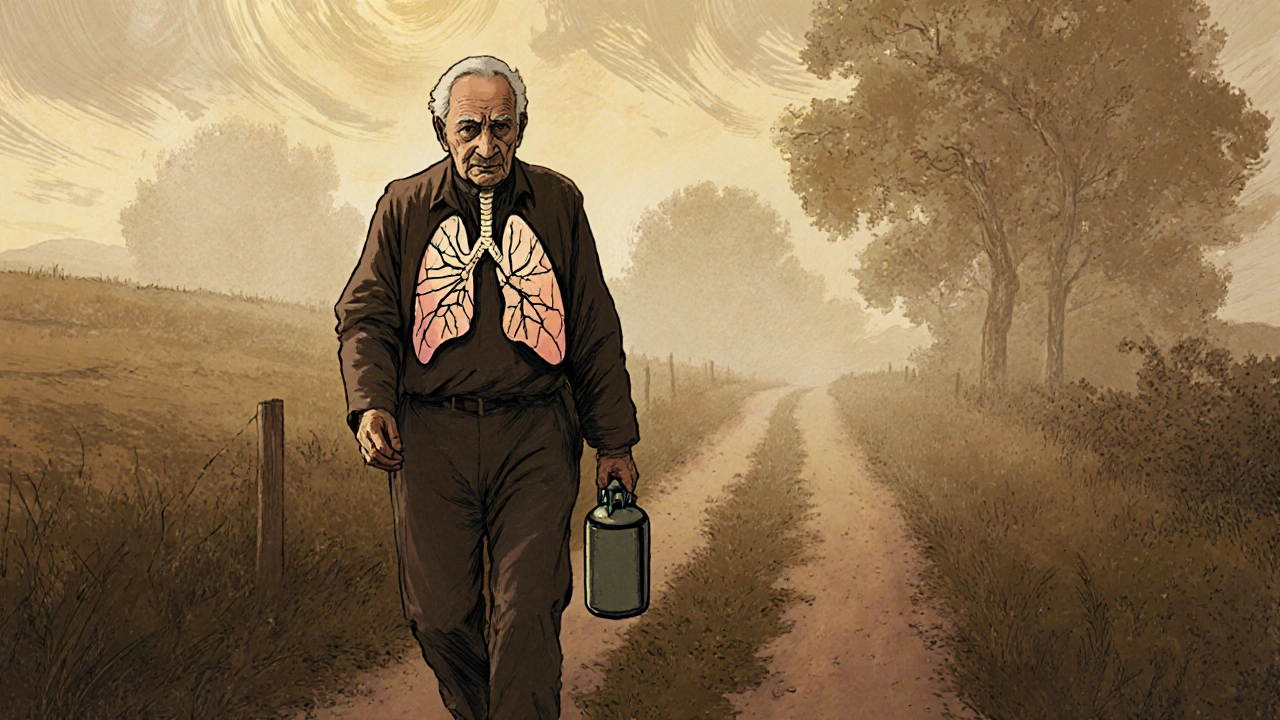
Interstitial Lung Disease: Understanding Progressive Scarring and Modern Treatment Options
Interstitial lung disease causes progressive lung scarring that leads to breathlessness and fatigue. Learn how early diagnosis, antifibrotic drugs like nintedanib and pirfenidone, and pulmonary rehab can slow progression and improve quality of life.