
How to Use Pharmacy Apps to Track Potential Drug Interactions
 Dec, 2 2025
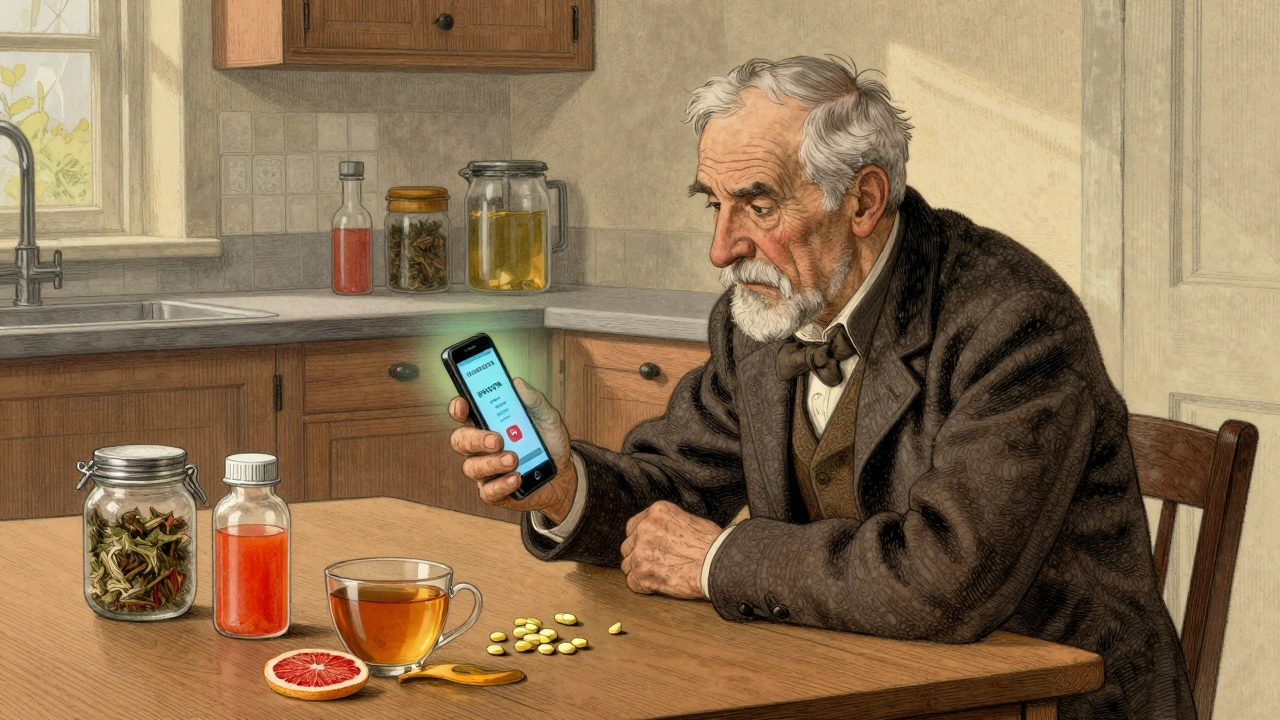
Every year, over 1.3 million people in the U.S. are injured because of medication errors. Many of these happen because doctors, pharmacists, or even patients miss dangerous drug interactions. It’s not just about mixing two prescriptions-it’s about your daily aspirin, your fish oil supplement, your sleep aid, and that new antibiotic all reacting in ways no one warned you about. The good news? You don’t need to memorize every possible combination. Pharmacy apps now do the heavy lifting for you.
What Exactly Are Drug Interactions?
A drug interaction happens when one medication changes how another works in your body. This can make a drug stronger, weaker, or cause unexpected side effects. Some interactions are harmless. Others can land you in the hospital. For example, mixing warfarin (a blood thinner) with certain antibiotics can cause dangerous bleeding. Taking statins with grapefruit juice can spike muscle damage risk. Even common OTC meds like ibuprofen and antacids can interfere with absorption if taken together. These aren’t rare. Nearly half of Americans over 65 take five or more medications. That’s a recipe for hidden risks. And it’s not just seniors-anyone on multiple prescriptions, supplements, or even herbal teas should check for interactions before starting something new.How Pharmacy Apps Help You Stay Safe
Pharmacy apps are mobile tools built to scan your medication list and flag potential conflicts. They don’t replace your doctor or pharmacist-but they give you a powerful second opinion, right in your pocket. These apps pull from databases with thousands of drug monographs, updated daily. They check for:- Drug-drug interactions (prescription + prescription)
- Drug-food interactions (like statins and grapefruit)
- Drug-supplement interactions (e.g., St. John’s wort with antidepressants)
- Drug-condition interactions (e.g., NSAIDs worsening kidney disease)
Top Pharmacy Apps for Checking Drug Interactions
Not all apps are created equal. Some are free but shallow. Others are expensive but deep. Here’s what the pros use-and what works for regular people.Epocrates Rx
Used by over a million healthcare workers, Epocrates is the gold standard for speed and accuracy. It checks up to 30 medications at once. Its pill identifier uses color, shape, and imprint to recognize unknown pills with 92% accuracy. The free version gives you basic interaction checks. The premium version ($49.99/month) unlocks detailed dosing guides, black box warnings, and live pharmacist chat support. Clinicians at Massachusetts General Hospital say it cut their medication errors by 22% after adoption.Lexicomp
If you’re in a hospital or work with IV meds, Lexicomp is your go-to. Owned by Wolters Kluwer, it stores its full database offline-no internet needed. It includes pharmacogenomics data (how your genes affect drug response), IV compatibility charts, and patient education handouts. It’s pricey at $199/year, but hospitals use it because it catches 98.7% of clinically significant interactions. Its interface is clunky for beginners, but it’s the most thorough tool out there.UpToDate
This one’s for complex cases. It tracks up to 50 medications simultaneously and goes beyond interactions-it gives you overdose protocols, toxidromes (poisoning patterns), and treatment steps. It’s used mostly by doctors and specialists. At $499/year, it’s not for casual use, but if you’re managing someone on a dozen meds, it’s unmatched.Drugs.com
The best free option. It has a clean interface, FDA alerts, and a reliable interaction checker that works with up to 10 drugs at a time. It’s trusted by patients because it’s simple and doesn’t hide key info behind paywalls. But it lacks clinical depth-no IV compatibility, no dosing for kids, no live support. And yes, it has ads. Some users say pop-ups during critical checks are a safety risk.Medisafe
Designed for patients and caregivers. It reminds you when to take pills, tracks adherence, and lets you share your med list with family members. Its interaction checker is basic-good for spotting obvious red flags, but misses subtle ones. If you’re helping an elderly parent manage meds, this is a solid choice. Just don’t rely on it alone for complex drug combos.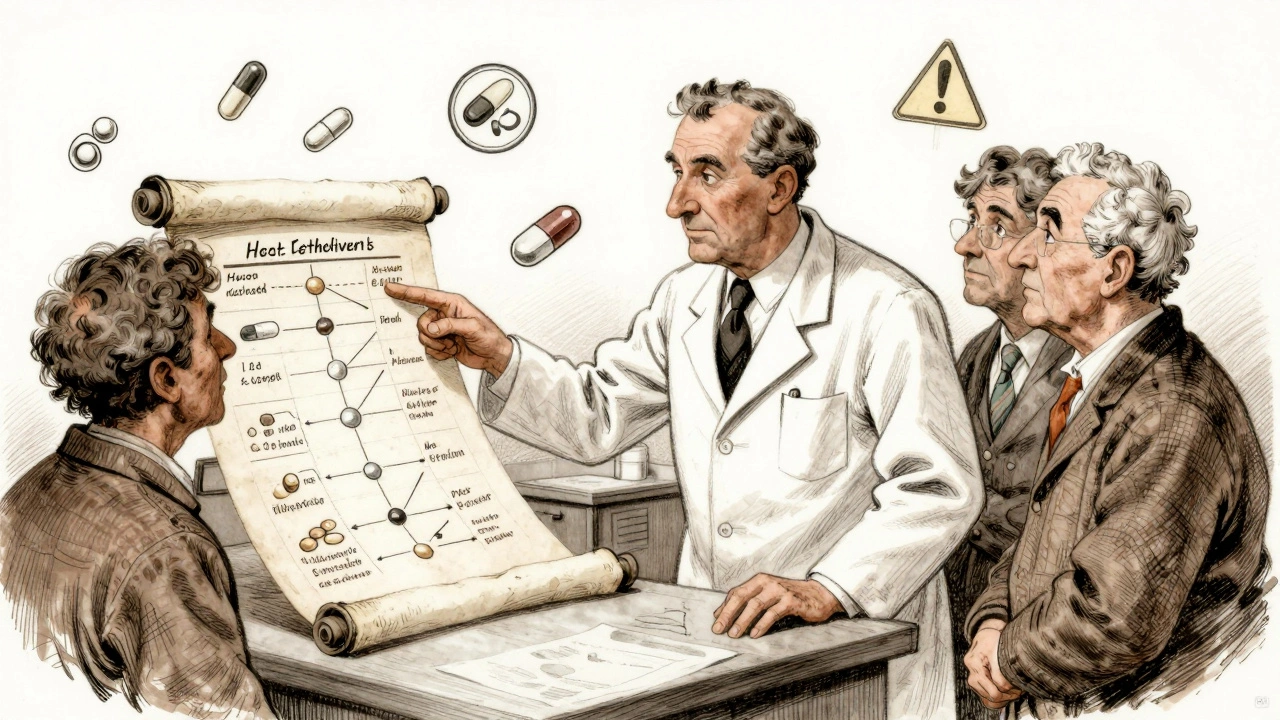
How to Use These Apps Like a Pro
Using a pharmacy app isn’t just about opening it and tapping a button. Here’s how to get the most out of it:- Input every medication-not just prescriptions. Include OTC painkillers, vitamins, herbal supplements, and even over-the-counter sleep aids. Many dangerous interactions come from “natural” products.
- Use barcode scanning or camera ID when possible. Typing “ibuprofen 200 mg” is fine, but scanning the bottle eliminates typos. Epocrates and Pill Identifier & Med Scanner (updated July 2025) have the most accurate camera tools.
- Check before adding anything new. Don’t wait until you’ve already bought the pill. Run a check before you start it.
- Don’t trust just one app. A 2023 JAMA study found that major apps disagreed on severity ratings for nearly 3 out of 10 drug pairs. Use Epocrates for quick checks, then verify with Drugs.com or Lexicomp for high-risk combinations like blood thinners or heart meds.
- Read the clinical notes. Apps don’t just say “major interaction.” They tell you what to do: “Avoid combination,” “Monitor liver enzymes,” or “Administer 2 hours apart.” Follow those instructions.
- Document your check. If you’re a patient, note the date and result in your health journal. If you’re a provider, add it to the patient’s record. Paper trails save lives.
What to Watch Out For
These apps are powerful, but they’re not perfect.- Free apps miss up to 40% of serious interactions. A Stanford study found consumer apps like Medisafe and some generic tools fail to flag dangerous combos that professional databases catch.
- Severity levels vary. One app might call a combo “moderate,” another “major.” That’s because databases aren’t standardized. Always cross-reference.
- Ads can be dangerous. Pop-ups during a critical check can distract you. If you’re using Drugs.com, consider upgrading to the ad-free version if you use it often.
- Don’t ignore updates. New drug interactions are discovered all the time. Apps like Epocrates and UpToDate push daily updates. Keep them turned on.
Who Should Use These Apps?
Everyone who takes more than one medication should use one. But here’s who benefits most:- Seniors on five or more meds-polypharmacy is the biggest driver of drug interaction risks.
- Chronic illness patients-diabetics, heart failure patients, those on anticoagulants.
- Caregivers-family members managing meds for aging parents.
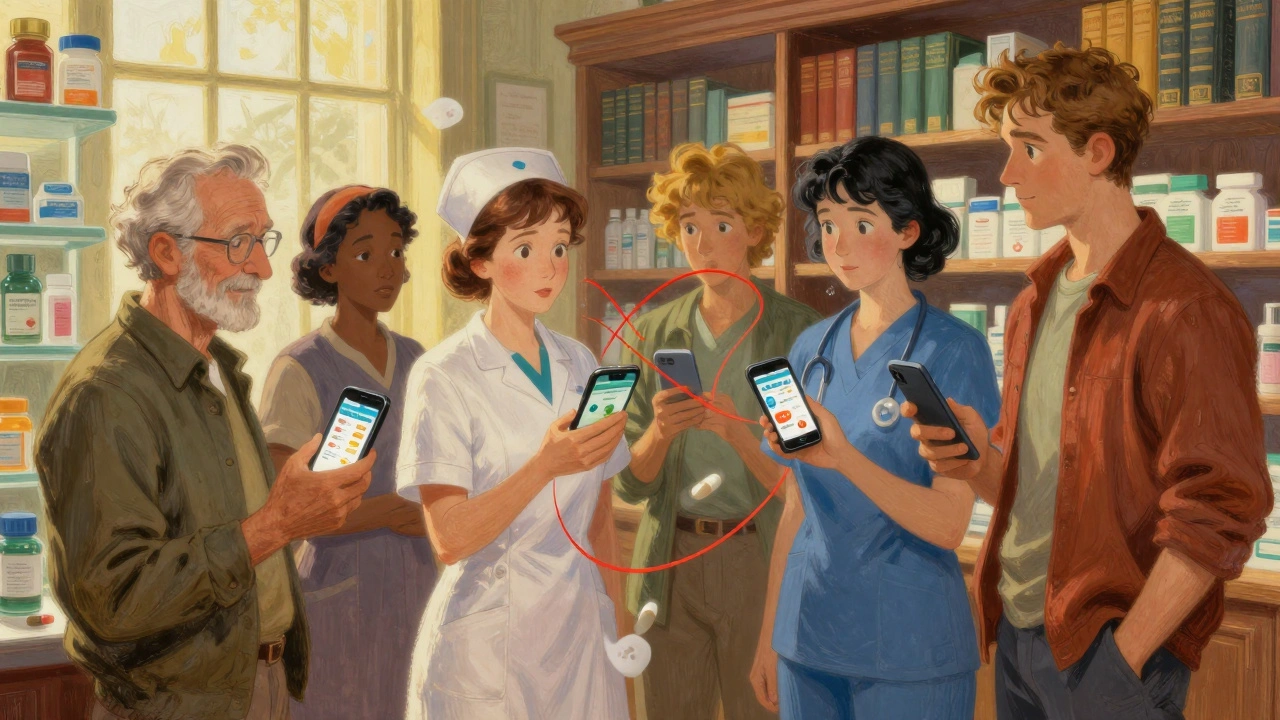
- Pharmacists and nurses-even pros use these daily to double-check.
- Anyone starting a new drug-even if it’s just a new painkiller or allergy pill.
The Future of Drug Interaction Tracking
The field is moving fast. In 2023, Epocrates rolled out AI that predicts interactions based on your age, kidney function, and other health factors. In early 2025, mySeniorCareHub launched a tool specifically tuned for older adults, adjusting for slower metabolism. Augmented reality pill scanners are now in beta. And with Medicare requiring interaction checks for all Part D prescriptions since 2022, these tools are becoming standard in pharmacies. The big challenge? Still no universal database. Different apps use different sources, so results vary. Experts like Dr. Robert Johnson recommend using two apps for critical cases-one fast, one deep.Final Advice: Don’t Guess. Check.
Medication errors aren’t always caused by carelessness. Sometimes, it’s just information overload. You’re not expected to know every interaction. That’s why these apps exist. Whether you’re a patient, a caregiver, or a healthcare worker, using one of these tools isn’t optional anymore-it’s essential. Start today. Open your phone. Add your current meds. Run a check. You might be surprised what you find.Can I trust free pharmacy apps to catch dangerous drug interactions?
Free apps like Drugs.com and Medisafe are useful for basic checks, but they miss up to 30-40% of clinically significant interactions compared to professional tools like Lexicomp or Epocrates. They’re good for catching obvious conflicts, like mixing warfarin with aspirin, but often fail on complex cases involving supplements, herbal products, or rare drug combinations. For high-risk medications-blood thinners, heart drugs, or antidepressants-always verify with a professional-grade app or consult your pharmacist.
Do I need to pay for a pharmacy app to stay safe?
Not necessarily. Drugs.com offers a free, reliable interaction checker that covers most common medications and OTC products. If you’re taking fewer than five drugs and aren’t on high-risk therapies, you may not need a paid app. But if you’re managing chronic conditions, multiple prescriptions, or complex combinations, the $49-$200/year investment in Epocrates or Lexicomp can prevent hospital visits. Think of it like buying a smoke detector-it’s cheap insurance against a big risk.
Can pharmacy apps check interactions with supplements and herbs?
Yes, most professional apps like Epocrates, Lexicomp, and UpToDate include thousands of supplements and herbal products in their databases. Common culprits include St. John’s wort (interacts with antidepressants), garlic supplements (can thin blood), and ginkgo biloba (risk of bleeding with anticoagulants). But not all apps cover supplements equally. Free apps often have limited or outdated supplement data. Always double-check if you’re taking anything labeled “natural” or “herbal.”
What if my doctor says my meds are fine, but the app flags a conflict?
Always bring the app’s warning to your doctor or pharmacist. Doctors aren’t infallible, and they may not know every interaction, especially with newer drugs or supplements. A 2023 study showed that over 28% of drug pairs had conflicting severity ratings across major apps-meaning even experts disagree sometimes. Your job is to be an informed advocate. Say: “I ran this through Epocrates and it flagged a major interaction. Can we review this together?” Most providers appreciate the input.
Can these apps be used for children or elderly patients differently?
Yes. Professional apps like Lexicomp and UpToDate include pediatric and geriatric-specific dosing, metabolism rates, and interaction risks. For example, seniors process drugs slower, so interactions that are mild in younger adults can become dangerous in older people. Some apps, like mySeniorCareHub (launched Feb 2025), are specifically designed for seniors and adjust interaction thresholds based on age-related kidney and liver changes. Always select the correct age setting in the app to get accurate results.
How often should I update my medication list in the app?
Update your list every time you start, stop, or change a medication-even if it’s just a one-week course of antibiotics or a new OTC painkiller. Some apps auto-sync with pharmacy records if you link them, but most require manual updates. A good rule: check your list every time you refill a prescription or visit your doctor. Outdated lists give false confidence. In 2023, a study found that 60% of interaction errors occurred because the app’s list didn’t match what the patient was actually taking.
Do pharmacy apps work without internet?
Some do, some don’t. Lexicomp stores its full database on your device, so you can check interactions offline-critical in hospitals or during travel. Epocrates and Drugs.com require internet for full functionality, though they cache recent searches. If you’re in areas with poor signal or need reliability during emergencies, choose an app with offline access. Otherwise, keep your phone charged and connected.
Can pharmacy apps replace a pharmacist’s advice?
No. Apps are tools, not replacements. Pharmacists understand context-your kidney function, allergies, diet, and other health conditions-that no app can fully account for. An app might flag a potential interaction, but only a pharmacist can tell you if it’s truly dangerous in your case. Use apps to prepare for your pharmacy visit, not skip it. Always consult your pharmacist before making changes to your regimen.
Justin Hampton
December 4, 2025 AT 06:47Joanne Rencher
December 5, 2025 AT 00:01Erik van Hees
December 6, 2025 AT 22:43Cristy Magdalena
December 8, 2025 AT 01:54Adrianna Alfano
December 9, 2025 AT 06:03Casey Lyn Keller
December 10, 2025 AT 22:51Jessica Ainscough
December 12, 2025 AT 10:02May .
December 14, 2025 AT 02:49Sara Larson
December 15, 2025 AT 05:24Josh Bilskemper
December 17, 2025 AT 01:08Storz Vonderheide
December 18, 2025 AT 20:42dan koz
December 20, 2025 AT 15:53