
How Pharmacogenomics Reduces Drug Interaction Risk Through Personalized Medicine
 Dec, 12 2025
Every year, millions of people end up in the hospital not because their condition got worse, but because the drugs meant to help them caused harm. These aren’t rare accidents - they’re predictable, and often preventable. The root cause? Drug interactions. But not just any interactions. The kind that happen because of your genes.
Why Your Genes Change How Drugs Work
Most people think drug interactions are about mixing pills - like taking blood thinners with ibuprofen. That’s part of it. But there’s another layer most doctors and pharmacists still don’t check: your DNA. Pharmacogenomics looks at how your genes affect the way your body handles medicine. Some people break down drugs quickly. Others barely touch them. It’s not about liver health or age - it’s about inherited variations in enzymes that process medications. The most common players? Enzymes like CYP2D6 and CYP2C19. These are the body’s main drug-processing machines. And they come in different versions - fast, slow, or broken - depending on your genes. For example, if you’re a CYP2D6 poor metabolizer, a standard dose of codeine won’t help your pain. Why? Because your body can’t convert it to morphine. But if you’re an ultra-rapid metabolizer, that same dose could turn into too much morphine, leading to dangerous breathing problems. This isn’t theory. It’s in the FDA’s official labeling for over 300 drugs.How Gene-Drug Interactions Multiply Risk
Drug interactions don’t just happen between two pills. They happen between three things: Drug A, Drug B, and your genes. This is called a drug-drug-gene interaction (DDGI). And it’s where things get dangerous. Imagine someone taking a common antidepressant like fluoxetine (Prozac). Fluoxetine blocks CYP2D6 - a key enzyme. Now, if that same person is also taking a beta-blocker like metoprolol, and they’re genetically a CYP2D6 poor metabolizer? The drug builds up in their system. Their heart rate drops. They feel dizzy. Their blood pressure plummets. One drug blocks the enzyme. Another drug relies on it. And their genes make them extra sensitive. It’s a triple threat. This isn’t hypothetical. A 2022 study in the American Journal of Managed Care found that when genetic data was added to standard drug interaction checkers, the number of high-risk interactions jumped by 90.7%. Antidepressants, painkillers, and antipsychotics were the biggest culprits. Why? Because they’re all processed by the same few enzymes - and they’re often prescribed together.The Hidden Danger: Phenoconversion
Here’s something most people don’t know: drugs can temporarily change how your genes work. This is called phenoconversion. Let’s say you have a CYP2D6 gene that makes you an ultra-rapid metabolizer. Normally, you’d need higher doses of certain drugs to feel their effect. But if you start taking a medication like quinidine - a common heart rhythm drug - it shuts down your CYP2D6 enzyme. Suddenly, you’re acting like a poor metabolizer. Your body can’t process the drugs like it used to. The result? Toxic buildup. You didn’t change your genes. But the drugs changed how they were expressed. This is why relying on old genetic tests without knowing what you’re currently taking can be misleading. Your phenotype isn’t fixed. It’s dynamic. And most drug interaction tools ignore this completely.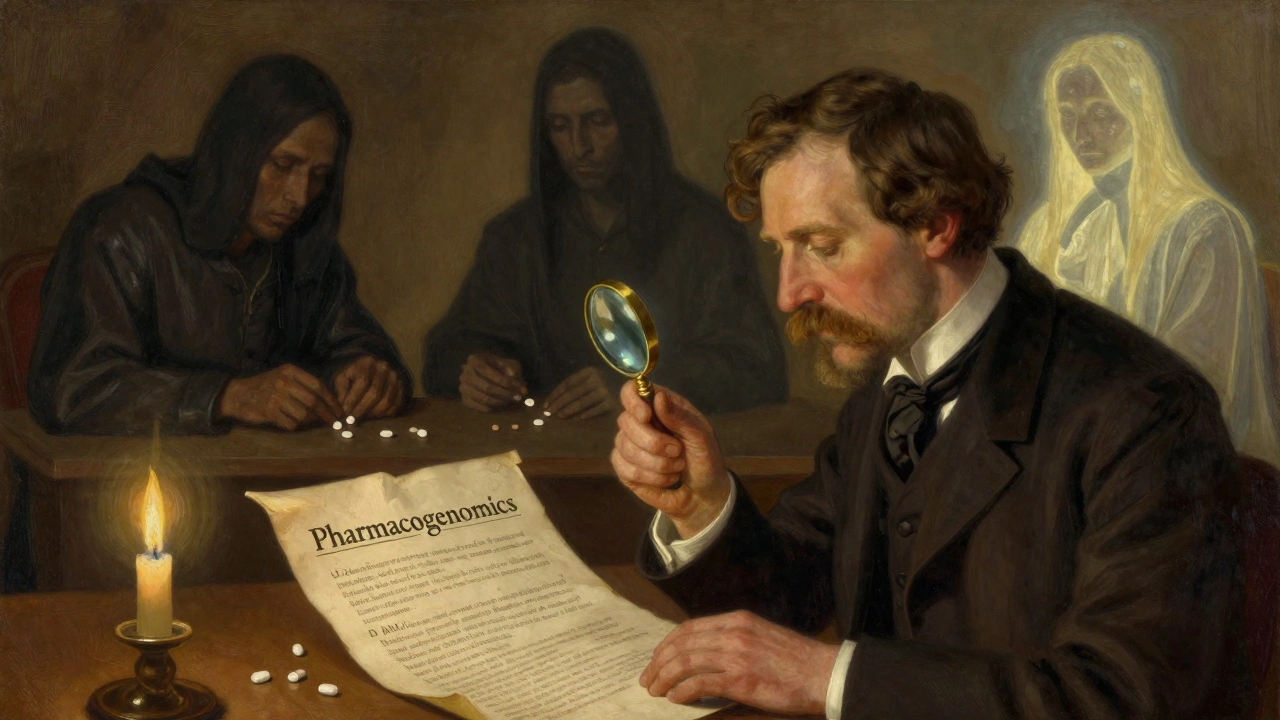
Real-World Impact: When Genetics Saves Lives
At Mayo Clinic, they’ve been testing patients for pharmacogenomic variants since 2011. Over 89% of patients had at least one gene variant that changed how they should take a drug. When doctors got alerts based on those results, inappropriate prescribing dropped by 45%. One clear example: azathioprine, a drug used for autoimmune diseases. People with a TPMT gene variant can’t break it down properly. Standard doses cause severe bone marrow damage. But if you test for TPMT first? Doses can be cut to 10% of normal - and the drug becomes safe. The FDA has had this warning on the label since 2004. Yet, most doctors still don’t test. Another: carbamazepine, used for seizures and bipolar disorder. People with the HLA-B*15:02 gene variant have a 50 to 100 times higher risk of developing Stevens-Johnson Syndrome - a life-threatening skin reaction. Testing for this variant before prescribing is now standard in parts of Asia. In the U.S.? Still rare.Why Most Doctors Still Don’t Use This
The science is solid. The guidelines exist. The FDA, NIH, and European Medicines Agency all recognize pharmacogenomics as critical for safety. So why isn’t it everywhere? First, lack of integration. Only 15% of U.S. healthcare systems have PGx results built into their electronic records. Doctors don’t see the data. They don’t know what to do with it. Second, training. A 2023 survey of 1,200 pharmacists found only 28% felt confident interpreting PGx reports. Most didn’t know what a *4 or *17 allele meant. CPIC has clear definitions - *1 = normal function, *3 = no function - but without training, it’s useless. Third, cost and reimbursement. A PGx test costs $250-$400. Only 19 CPT codes exist for them. Insurance often won’t pay unless it’s a “companion diagnostic” - meaning it’s tied to one specific drug. But what if you’re on five drugs? Testing for all of them? That’s expensive. And insurers don’t see the long-term savings - fewer ER visits, fewer hospitalizations, fewer deaths.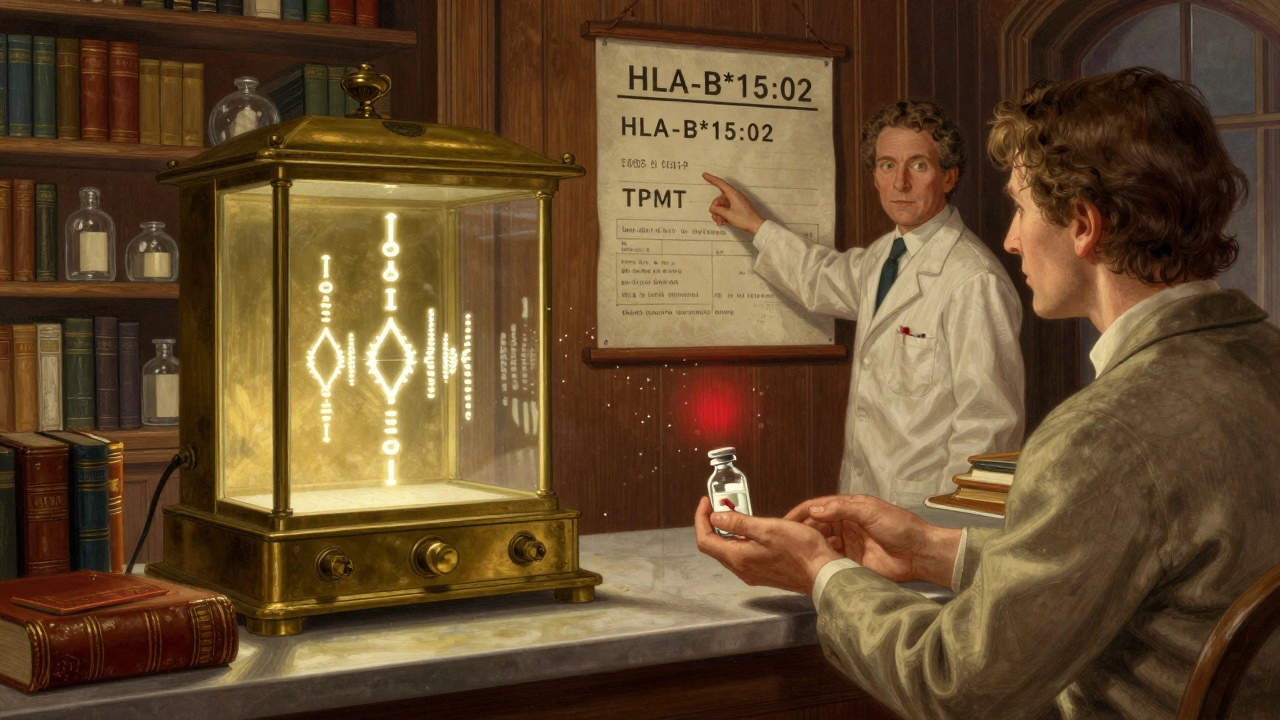
The Future: AI, Equity, and What’s Next
The future of pharmacogenomics isn’t just testing. It’s smart systems. A 2023 Nature Medicine study showed an AI model using genetic data predicted warfarin dosing 37% more accurately than standard methods. That means fewer bleeds, fewer strokes. But there’s a dark side. Over 98% of PGx research is based on people of European ancestry. African, Indigenous, and Asian populations are severely underrepresented. That means the guidelines we have may not work for them. A variant common in West Africa might be labeled “rare” because it’s never been studied. That’s not just a gap - it’s a danger. The NIH’s All of Us program is trying to fix that. They’ve returned PGx results to over 250,000 people - including many from underrepresented groups. The FDA plans to add 24 new gene-drug pairs to its list in 2024. CPIC is now working on guidelines for polypharmacy - where five drugs interact with three genes at once.What You Can Do Today
If you’re on five or more medications - and you’ve had an unexpected side effect - ask your doctor or pharmacist: “Could my genes be affecting how these drugs work?” You don’t need to wait for a full panel. Some tests focus on just the top 5 genes linked to the most common drugs: CYP2D6, CYP2C19, CYP2C9, VKORC1, and TPMT. These cover antidepressants, blood thinners, painkillers, and chemotherapy drugs. If you’ve used 23andMe or AncestryDNA, your raw data might already include some of these variants. You can upload it to free tools like PharmGKB to see if any red flags pop up. The goal isn’t to test everyone. It’s to test the right people at the right time. People on multiple drugs. People with unexplained side effects. People who’ve had a bad reaction before. This isn’t science fiction. It’s medicine catching up to biology. Your genes aren’t just about your ancestry. They’re your personal instruction manual for drugs. Ignoring them isn’t just outdated - it’s risky.What is pharmacogenomics and how does it relate to drug interactions?
Pharmacogenomics studies how your genes affect how your body processes drugs. It helps explain why two people taking the same medication can have completely different reactions - one gets relief, the other gets sick. This is especially important in drug interactions, where a medication might block or boost an enzyme your body needs to break down another drug. If your genes already make that enzyme slow or fast, the interaction becomes much more dangerous. For example, if you’re a CYP2D6 poor metabolizer and take a drug that blocks CYP2D6, your body can’t clear the second drug at all, leading to toxic buildup.
Which genes are most important in drug interaction risk?
The top five genes linked to drug interaction risk are CYP2D6, CYP2C19, CYP2C9, VKORC1, and TPMT. CYP2D6 affects about 25% of all prescription drugs, including antidepressants, painkillers, and beta-blockers. CYP2C19 handles anti-seizure meds and blood thinners like clopidogrel. CYP2C9 and VKORC1 are key for warfarin dosing. TPMT is critical for immune-suppressing drugs like azathioprine. Variants in these genes can turn a safe dose into a toxic one - or make a drug completely ineffective.
Can drugs change how your genes work?
Yes - this is called phenoconversion. Your genes don’t change, but the drugs you take can temporarily turn off or over-activate the enzymes they control. For example, if you’re genetically an ultra-rapid metabolizer of CYP2D6, you might normally need higher doses of certain drugs. But if you start taking quinidine or fluoxetine, those drugs block CYP2D6. Suddenly, your body acts like a poor metabolizer. This mismatch can cause dangerous side effects, even if your genetic test was done months ago.
Why aren’t pharmacogenomic tests used more often?
Three main reasons: lack of integration into electronic health records, insufficient training among clinicians, and poor reimbursement. Only 15% of U.S. healthcare systems have PGx results in their systems. Many doctors don’t know how to interpret the results, and insurance rarely covers testing unless it’s tied to one specific drug. The cost of a test is $250-$400, and only 19 CPT codes exist for them. Without clear financial incentives or easy access to results, most providers stick to traditional drug interaction checkers - which ignore genetics entirely.
Is pharmacogenomics testing right for everyone?
Not necessarily - but it’s highly valuable for people on five or more medications, those who’ve had unexplained side effects, or those with a history of treatment failure. If you’ve been on antidepressants and felt worse instead of better, or if you’ve had a bleeding episode on warfarin without clear cause, PGx testing could explain why. For healthy people on one or two meds, the benefit is smaller. The goal isn’t universal testing - it’s targeted testing for those at highest risk of harm.
Webster Bull
December 12, 2025 AT 19:44Donna Hammond
December 14, 2025 AT 03:28Doctors aren’t lazy - they’re overwhelmed. But if the system doesn’t flag this, how can they know?
Richard Ayres
December 14, 2025 AT 21:31Imagine if we prescribed antibiotics without knowing the pathogen. That’s what we’re doing with drugs and genes.
Sheldon Bird
December 16, 2025 AT 00:57Uploaded to PharmGKB and found out I’m a CYP2C19 ultra-rapid. Explains why I never felt anything from SSRIs for years. Now my doc adjusted my dose. Life changed. Don’t wait for the system to catch up - take control. 🙌
Karen Mccullouch
December 17, 2025 AT 05:27They’ll charge you $400 for a test but won’t cover it. Classic.
Rawlson King
December 17, 2025 AT 20:21And yes, I’ve read the CPIC guidelines. They’re useful, but they’re not gospel.
Himmat Singh
December 18, 2025 AT 03:21kevin moranga
December 20, 2025 AT 02:42Then we did the test. Turns out she’s a CYP2D6 poor metabolizer AND her antidepressant was blocking the enzyme for her blood pressure med. Her dose of metoprolol was basically a poison. We cut it by 75%. She’s been fine for 3 years now.
It’s not magic. It’s math. Your body’s chemistry isn’t one-size-fits-all. Why are we still pretending it is?
And if you’re on more than three meds? Do the test. It’s cheaper than an ER visit. Seriously. I’m not joking. I’ve seen what happens when you don’t.
Alvin Montanez
December 22, 2025 AT 00:50Meanwhile, the real solution? Stop prescribing so many damn drugs. That’s the root problem. Not genetics. Overmedication.
Keasha Trawick
December 22, 2025 AT 20:31This isn’t just medicine - it’s a biochemical thriller. And we’re all characters in it. Some of us are the heroes. Others? The collateral damage. The system needs to stop treating genes like a footnote and start treating them like the main character.
Emma Sbarge
December 24, 2025 AT 06:29Ronan Lansbury
December 26, 2025 AT 04:45Tom Zerkoff
December 27, 2025 AT 18:03It is incumbent upon academic institutions, regulatory bodies, and healthcare administrators to prioritize interoperable genomic data pipelines and mandatory continuing education in pharmacogenomics for all prescribers. The cost of inaction is measured in preventable morbidity and mortality.
Yatendra S
December 28, 2025 AT 11:33Maybe the answer isn’t more tests. Maybe it’s humility. 🌌