
Hand and Foot Swelling from Medications: When to Contact Your Doctor
 Jan, 17 2026
Medication Swelling Risk Checker
Medication Swelling Risk Assessment
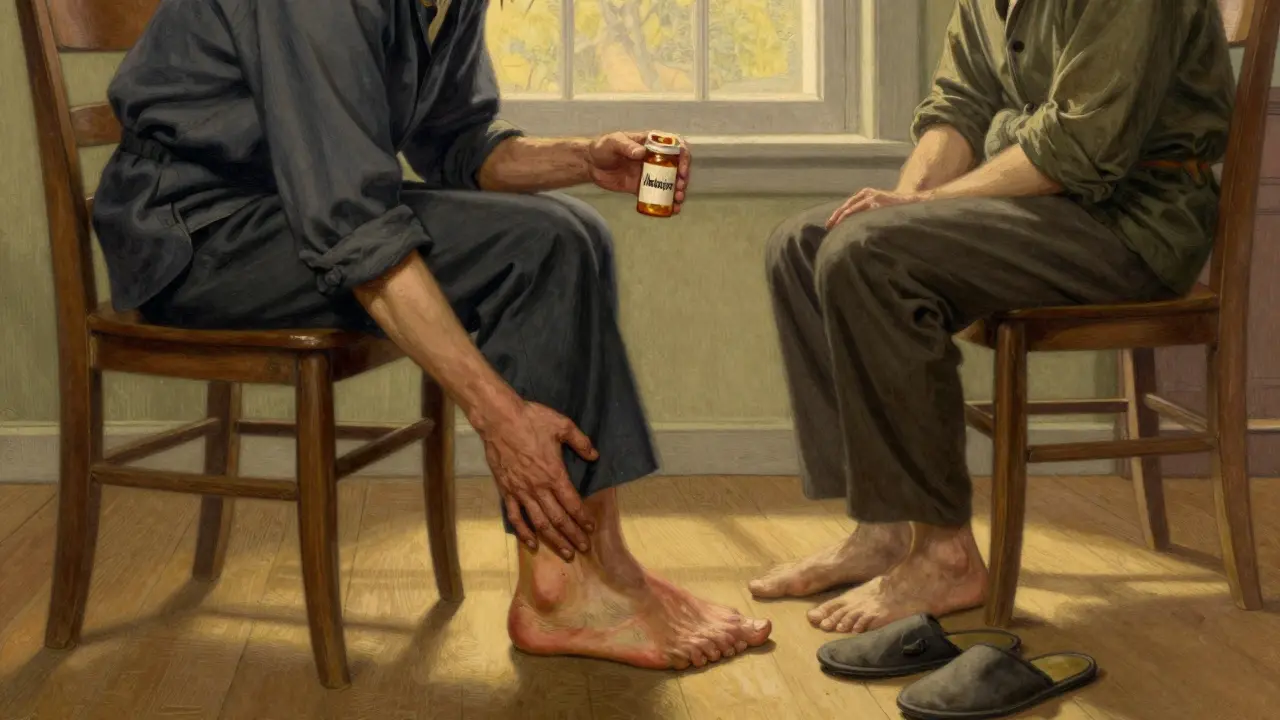
Swelling in your hands or feet isn’t always just a sign you stood too long or wore tight shoes. If you’ve recently started a new medication, that puffiness could be your body reacting to something in the pill you’re taking. It’s more common than you think - and sometimes, it’s a signal you need to talk to your doctor right away.
What’s Really Going On?
Swelling in the hands and feet from medications has a name: edema. When it happens in the feet and ankles, it’s called pedal edema. When it affects the palms and soles with redness, tingling, or even blistering, it’s known as hand-foot syndrome (or palmar-plantar erythrodysesthesia). Both are real, documented side effects - not just "annoyances."Some of the most common culprits include:
- Calcium channel blockers like amlodipine (used for high blood pressure) - up to 15% of people on a 10mg daily dose develop noticeable ankle swelling.
- NSAIDs like ibuprofen or naproxen - even over-the-counter ones can cause fluid retention if taken long-term.
- Corticosteroids like prednisone - known for causing weight gain and puffiness, especially in the face and limbs.
- Diabetes medications like pioglitazone - can trigger fluid buildup in 4-7% of users within just a few months.
- Chemotherapy drugs like capecitabine - up to 60% of patients on these develop hand-foot syndrome, with symptoms ranging from mild redness to painful cracks and blisters.
It’s not random. The swelling happens because these drugs change how your body handles fluid. Some make your blood vessels widen (vasodilation), increasing pressure and pushing fluid into tissues. Others make your kidneys hold onto sodium and water instead of flushing it out. The result? Puffy hands, swollen ankles, or tender soles that feel like they’re on fire.
How to Tell If It’s Just Mild or Something Serious
Not all swelling is the same. Knowing the difference can save you from unnecessary worry - or help you act fast when it matters.Vasodilator-induced edema (from blood pressure meds like amlodipine) usually looks like this:
- Bilateral swelling - both feet or both hands affected equally
- Pitting - press your finger on the swollen area, and it leaves a dent that takes a few seconds to bounce back
- Worse at the end of the day, better after lying down overnight
- No redness, no pain, no skin changes
This type is common, especially with higher doses. But it’s not harmless. In fact, it’s the number one reason people stop taking blood pressure meds they otherwise tolerate well.
Hand-foot syndrome (from chemo or some targeted therapies) is different:
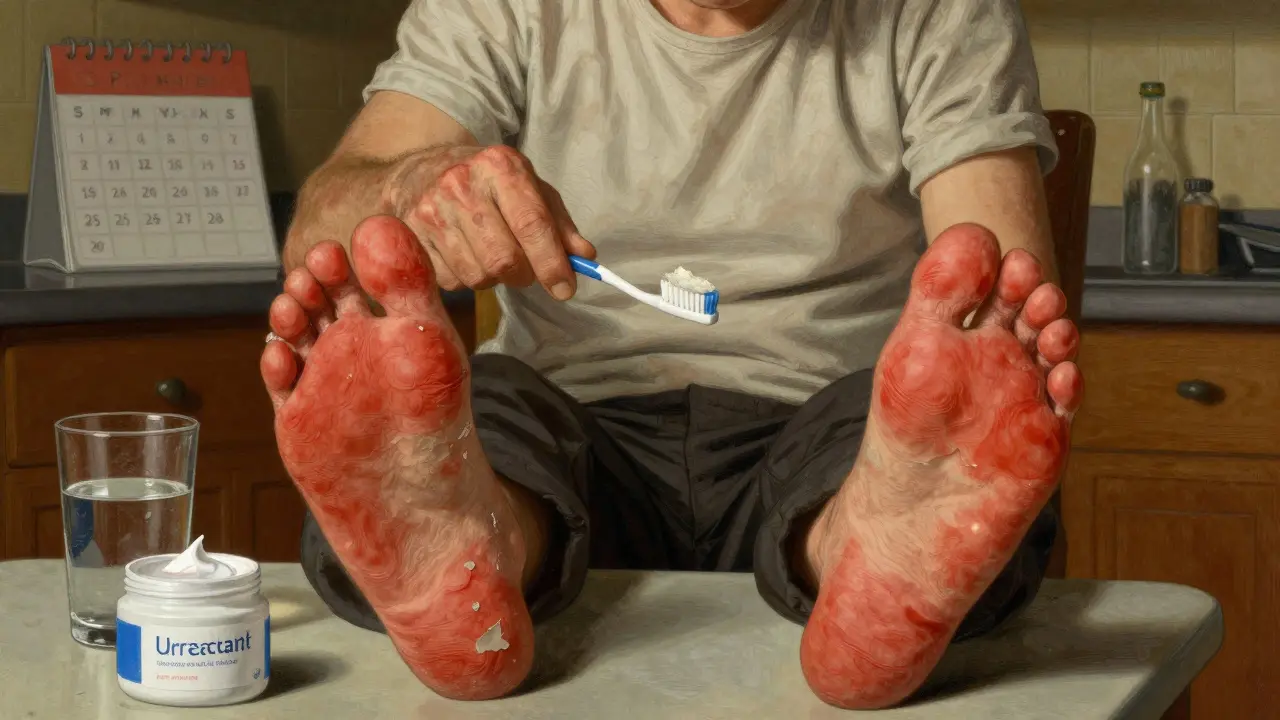
- Redness, burning, or tingling on palms and soles
- Swelling that feels tight or numb
- Peeling skin, blisters, or open sores in severe cases
- Pain that makes it hard to grip things, walk, or even hold a toothbrush
Grade 1 HFS? Just a little redness - manageable. Grade 3? You can’t dress yourself. That’s not "just a side effect." That’s a medical alert.
When to Call Your Doctor - Right Now
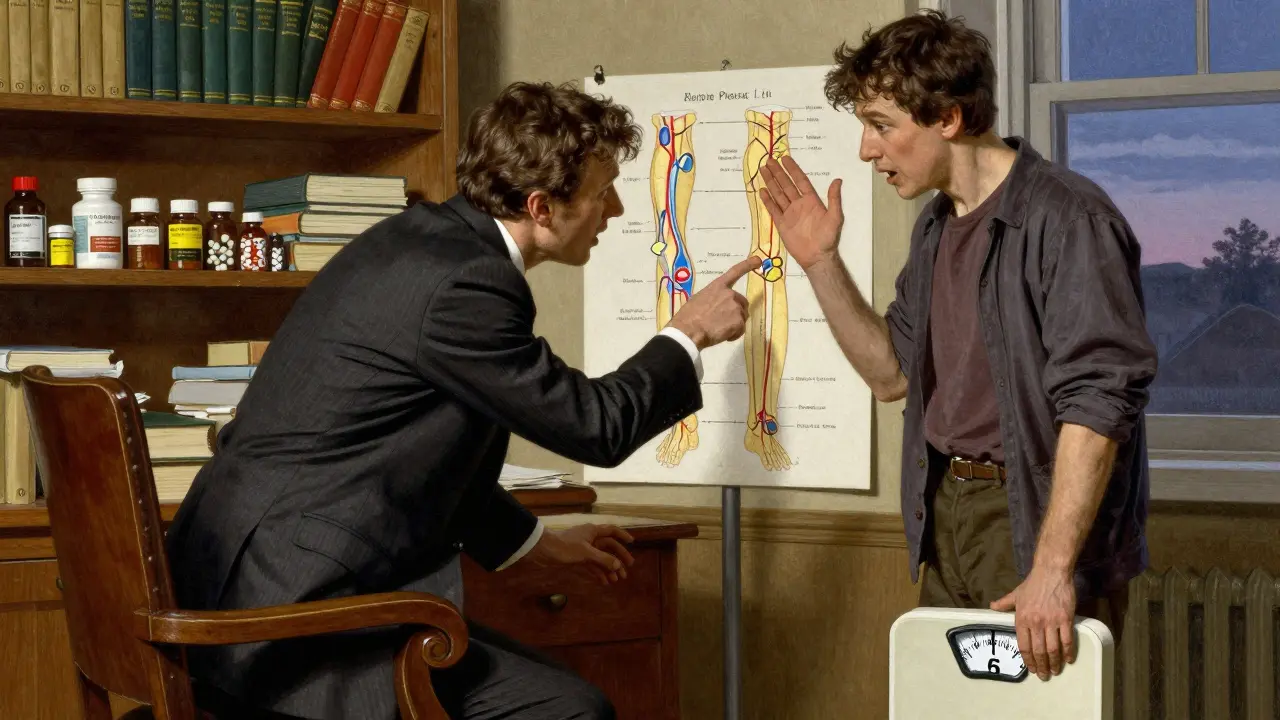
You don’t need to wait for swelling to get worse. Here’s when to pick up the phone or head in:- Swelling is only on one side - like one ankle or one hand. This could mean a blood clot (deep vein thrombosis), which can travel to your lungs and become life-threatening.
- You’re short of breath or have chest pain - swelling plus breathing trouble could signal heart failure.
- You’ve gained more than 2 pounds in 24 hours or 5 pounds in a week - that’s fluid overload, not just puffiness.
- Your skin is cracking, blistering, or turning purple/black - this is tissue damage, not irritation.
- You can’t walk, hold objects, or sleep because of pain - especially if you’re on chemotherapy.
- The swelling started within 72 hours of starting a new drug - research shows 78% of new swelling this fast is drug-related.
One patient on Reddit described it this way: "I couldn’t turn a doorknob. My hands felt like they were wrapped in concrete." That’s not normal. That’s a sign to call your oncologist - not wait until your next appointment.
What Happens When You Do Call?
Your doctor won’t just say, "Take it easy." They’ll assess based on what’s causing it.If it’s from a blood pressure pill like amlodipine, they might:
- Lower the dose - going from 10mg to 5mg cuts swelling risk by more than half.
- Switch you to a different class - like an ACE inhibitor or ARB (losartan, for example). Studies show 85% of patients see swelling resolve within two weeks after switching.
- Add a low-dose diuretic - but only if your kidneys are healthy. These aren’t a fix-all.
If it’s hand-foot syndrome from chemo, the approach is different:
- Dose reduction is the first step - not stopping treatment unless absolutely necessary.
- Topical creams like urea 10% may help, but evidence is mixed. Some studies say yes, others say no.
- Some doctors try vitamin B6 - but a major review of eight trials found no real benefit.
- Keeping feet cool, avoiding tight shoes, and moisturizing daily helps prevent flare-ups.
There’s also simple stuff you can do at home:
- Elevate your feet above heart level for 30 minutes, three times a day - reduces swelling by about 15% in 48 hours.
- Watch your salt - aim for under 2,300mg per day. Less sodium = less fluid retention.
- Wear comfortable, roomy shoes - no tight socks or heels.
- Move gently - walking or swimming helps circulation without stressing swollen areas.
What Doesn’t Work - And Why
You’ll hear a lot of advice online. Some of it sounds reasonable. But science doesn’t back it all.Arnica gel? One small study showed it reduced HFS symptoms by 28% compared to placebo. But it’s not in any official guidelines. It might help - but don’t count on it.
Vitamin B6? Popular in forums and even some oncology clinics. But the Cochrane Review - the gold standard for medical evidence - looked at eight trials and found no significant benefit. It’s not harmful, but it’s not proven.
And here’s the big one: don’t ignore it because you think it’s "normal." A 2023 survey of 872 patients found that 55% waited too long to tell their doctor because they assumed swelling was just part of the deal. In 18% of those cases, that delay led to preventable complications - infections, skin breakdown, or even hospitalization.
What to Expect Long-Term
The good news? Most cases of medication-induced swelling resolve quickly once the cause is addressed.Studies show 89% of people see improvement within four weeks of switching meds or adjusting the dose. For hand-foot syndrome, symptoms often fade after chemo cycles are paused or reduced.
But 11% of patients develop chronic swelling - lymphedema - that needs ongoing care. That’s why early action matters. Catching it early means avoiding long-term damage.
And here’s something important: if you’re on multiple medications, don’t assume the swelling is from just one. Sometimes it’s the combination. Your doctor might need to review your full list - even if you think the new pill is the only suspect.
Final Takeaway
Swelling in your hands or feet isn’t something to brush off - especially if you’re on medication. It’s not just a side effect. It’s a signal. Your body is telling you something’s off.Don’t wait for it to get worse. Don’t assume it’s "just water weight." If it’s new, sudden, painful, asymmetric, or accompanied by other symptoms like shortness of breath or rapid weight gain - call your doctor. Now.
And if you’re on chemo? Don’t suffer in silence. Hand-foot syndrome is common, but it’s treatable. Your oncology team has protocols for this. They want to know when it starts - so they can help you keep going with your treatment safely.
Medications save lives. But they can also cause real, uncomfortable, and sometimes dangerous side effects. Knowing when to speak up isn’t being dramatic - it’s being smart.
Is hand and foot swelling from medication dangerous?
It can be. While mild swelling from blood pressure meds like amlodipine is common and usually not dangerous, sudden or asymmetric swelling, chest pain, trouble breathing, or skin breakdown can signal serious conditions like heart failure, blood clots, or tissue damage. Always get new swelling checked - especially if it’s paired with other symptoms.
How long does medication-induced swelling last?
Most cases improve within 2 to 4 weeks after stopping or adjusting the medication. For hand-foot syndrome, symptoms often fade after chemotherapy doses are reduced. But if swelling persists beyond a month, it could develop into chronic lymphedema, which requires ongoing management.
Can over-the-counter diuretics help with medication swelling?
Not reliably, and they can be risky. Diuretics like furosemide need a prescription because they affect your electrolytes and kidneys. Taking them without medical supervision can cause dehydration, low potassium, or kidney stress - especially if you’re already on blood pressure or heart meds. Always talk to your doctor before using any diuretic.
What medications are most likely to cause hand and foot swelling?
Calcium channel blockers (like amlodipine), NSAIDs (ibuprofen, naproxen), corticosteroids (prednisone), diabetes drugs like pioglitazone, and chemotherapy agents such as capecitabine are the top culprits. Amlodipine alone causes swelling in up to 15% of users at standard doses.
Can I prevent swelling before it starts?
Sometimes. Starting calcium channel blockers at a lower dose (2.5-5mg) reduces swelling risk by 60%. For chemotherapy-induced hand-foot syndrome, applying urea 10% cream twice daily to hands and feet may lower incidence by 25%. But prevention isn’t guaranteed - early recognition and action are more important than trying to stop it before it begins.
Should I stop my medication if I get swelling?
Never stop a prescribed medication without talking to your doctor. Stopping blood pressure or cancer meds abruptly can be dangerous. Instead, call your provider. They can adjust your dose, switch your drug, or add a treatment - all while keeping your condition under control.
Why does swelling get worse at the end of the day?
Gravity pulls fluid downward as you stand or sit for long periods. When you lie down at night, fluid redistributes and swelling improves. This pattern is typical of medication-induced edema - especially from vasodilators like amlodipine. Elevating your legs helps reverse the effect.
Is hand-foot syndrome the same as a rash?
No. Hand-foot syndrome isn’t just redness or itching. It’s a toxic reaction that affects the skin’s ability to function - causing burning, numbness, peeling, and blistering. It’s often painful and can interfere with daily tasks like holding objects or walking. It’s not an allergic rash - it’s a direct effect of the drug on the skin cells of the palms and soles.
Next Steps
If you’re currently experiencing swelling:- Write down when it started, what meds you’re on, and how bad it is (on a scale of 1-10).
- Take a photo - it helps your doctor see changes over time.
- Check your weight daily - a sudden jump of 2+ pounds in 24 hours is a red flag.
- Call your doctor within 72 hours if it’s new and bilateral, or immediately if you have any warning signs.
Medications are powerful tools. But they’re not perfect. Your body’s reactions - even small ones like swelling - are clues. Listen to them. Speak up. You’re not overreacting. You’re taking control.
kenneth pillet
January 18, 2026 AT 13:29Been on amlodipine for 3 years. Swelling started slow, got worse by month 18. Doc switched me to lisinopril-gone in 10 days. No more puffy ankles. Just sayin.
Jodi Harding
January 20, 2026 AT 02:19Swelling isn’t a side effect-it’s your body screaming. You think it’s water weight? No. It’s your organs begging for mercy. Stop ignoring it.
Danny Gray
January 20, 2026 AT 17:05Interesting how everyone blames the meds. But what if it’s just gravity, aging, and too much salt? We’ve been conditioned to see every puff as a pharmaceutical crime.
Wendy Claughton
January 21, 2026 AT 06:13My mom had chemo-induced hand-foot syndrome-her palms looked like they’d been boiled. She used coconut oil and wore cotton gloves at night. Didn’t cure it, but made it bearable. 🌿
Stacey Marsengill
January 21, 2026 AT 15:48People don’t realize-this is Big Pharma’s silent war. They sell you a pill that turns your skin to lava, then tell you to "just elevate your feet." Like that fixes the corporate greed behind the dosage chart.
Naomi Keyes
January 22, 2026 AT 08:15Let’s be precise: the 15% incidence rate for amlodipine-induced edema is based on 10mg daily doses-however, studies from the Journal of Clinical Hypertension (2021) show that 5mg reduces incidence to 6.2%, and 2.5mg to just 2.1%. Also, the pitting edema you describe is classically venous, but in elderly patients with concomitant renal insufficiency, it may reflect nephrotic-range proteinuria-so don’t assume it’s benign without checking urine albumin-to-creatinine ratio. And for hand-foot syndrome, the 60% figure applies only to capecitabine monotherapy; when combined with oxaliplatin, incidence drops to 38% due to altered pharmacokinetics. Also, vitamin B6? A 2019 meta-analysis in Supportive Care in Cancer showed no benefit, but a 2022 pilot RCT using 200mg B6 with 10% urea cream showed 42% reduction in severity scores-so maybe the combo works? And don’t forget: NSAID-induced edema is often reversible within 72 hours of discontinuation-so if you’re taking ibuprofen for back pain and notice swelling, stop it for a week and see. Also, if you’re on pioglitazone and have a BMI over 35, the risk triples. And if you’re a woman over 65? You’re 2.3x more likely to develop pedal edema than men. So please, stop generalizing. Medicine isn’t a TikTok trend.
Aysha Siera
January 23, 2026 AT 15:17They’re hiding the truth. The swelling? It’s from the microchips in the pills. They track you. The fluid retention? It’s the government’s way of slowing you down so you don’t notice the surveillance. Don’t take the pills. Go raw. Drink rainwater. Sleep with magnets.
Kristin Dailey
January 23, 2026 AT 17:52America’s got soft. Swelling? Walk more. Eat less salt. Stop whining. We didn’t have all this junk medicine in my day.
Zoe Brooks
January 25, 2026 AT 13:46Just called my doc after reading this. Swelling in my left ankle started last week. They’re doing an ultrasound tomorrow. I’m scared but glad I didn’t ignore it. You’re not crazy for speaking up. 💪