
FDA Boxed Warnings Explained: What You Need to Know Before Taking High-Risk Medications
 Jan, 18 2026
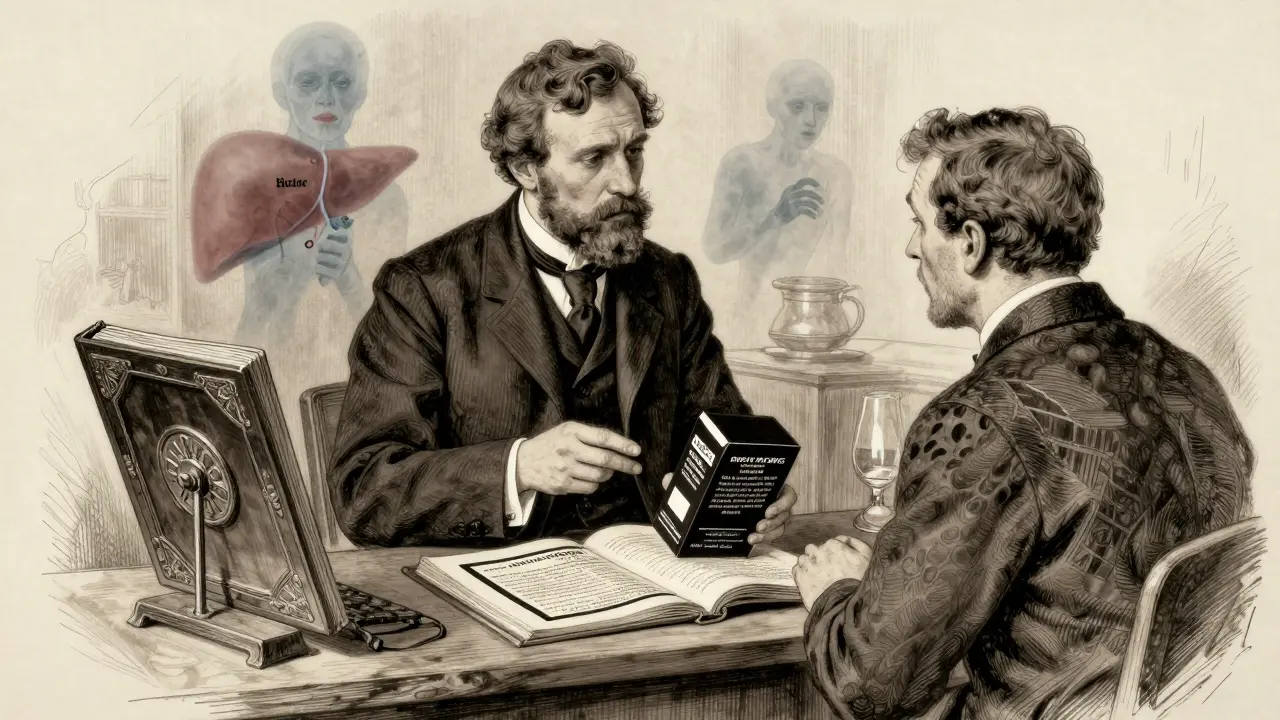
When you pick up a prescription, you might notice a thick black border on the drug’s packaging or insert. Inside that box, in bold letters, is a warning that says something like "May cause life-threatening liver damage" or "Increases risk of suicidal thoughts in young adults". This is a boxed warning-also called a black box warning-and it’s the strongest safety alert the U.S. Food and Drug Administration (FDA) can issue. It doesn’t mean the drug is banned. It means the risks are serious enough that your doctor must talk to you about them before you start taking it.
What Exactly Is a Boxed Warning?
A boxed warning is not just a cautionary note. It’s a legally required part of a drug’s official labeling. The FDA mandates that this warning appear at the very top of the prescribing information, surrounded by a thick black border to make sure no one misses it. The text inside is precise: it names the exact danger-like heart failure, severe infections, birth defects, or sudden death-and often specifies which patients are most at risk. These warnings aren’t added lightly. They come after real-world data shows harm that wasn’t seen in clinical trials, which usually involve only a few thousand people. Once a drug is used by millions, rare but deadly side effects start to show up. About 70% of boxed warnings are added after the drug is already on the market. For example, the warning for the diabetes drug rosiglitazone (Avandia) was added in 2007 after studies linked it to a spike in heart attacks. The drug didn’t disappear-it just got a much clearer warning.Why Do Boxed Warnings Exist?
The system started after the thalidomide disaster in the 1960s, when thousands of babies were born with severe limb defects because their mothers took the drug for morning sickness. The U.S. avoided the worst of it because the FDA held up approval-but the event forced major changes. The Kefauver-Harris Amendments of 1962 required drug makers to prove not just that their products worked, but that they were safe. Today, over 400 medications carry boxed warnings. That’s about one in every seven prescription drugs. The most common ones are in categories like:- Antipsychotics (27 drugs)
- Antidepressants (22 drugs)
- Cancer therapies (45 drugs)
- Diabetes medications (18 drugs)
- Immunosuppressants (used after organ transplants)
What Does a Boxed Warning Actually Say?
The language is not vague. It’s specific. For instance:- Methotrexate: "May cause fatal liver damage. Requires monthly liver function tests."
- Isotretinoin (Accutane): "Can cause severe birth defects. Women must enroll in the iPLEDGE program and use two forms of birth control."
- Fluoxetine (Prozac): "Increases risk of suicidal thoughts in children, adolescents, and young adults under 25."
- SGLT2 inhibitors (e.g., Farxiga, Jardiance): "May cause serious urinary tract infections leading to hospitalization."
Boxed Warnings vs. Other FDA Alerts
The FDA uses several types of safety messages, but boxed warnings are the highest level:- Boxed warnings - Legally required, part of the drug’s approved label, most severe.
- Drug Safety Communications - Public alerts issued after new risks are discovered, but not yet added to the label.
- Label changes - Updates to warnings that don’t rise to the level of a black box.
- Medication Guides - Patient handouts that explain risks in simpler language.
What Patients Often Get Wrong
A 2022 survey by the National Patient Safety Foundation found that 41% of patients prescribed a medication with a boxed warning believed they should stop taking it immediately. That’s dangerous. Many of these drugs are life-saving. Stopping antidepressants suddenly can trigger withdrawal or worsen depression. Stopping blood thinners can lead to stroke. The real goal isn’t avoidance-it’s awareness. A boxed warning is meant to start a conversation, not end treatment. Patients who understand the warning and follow monitoring instructions have far better outcomes than those who panic or ignore it.What You Should Do If Your Medication Has a Boxed Warning
If your doctor prescribes a drug with a black box warning, here’s what to ask:- What’s the exact risk? Don’t accept vague answers. Ask for the specific side effect: "Is it liver damage? Heart attack? Suicide risk?"
- Am I at higher risk? Age, genetics, other health conditions, or other medications can increase your chances. Ask if your personal profile makes the risk more likely.
- What signs should I watch for? Know the red flags. For methotrexate, that’s yellow skin, dark urine, or severe fatigue. For antidepressants, it’s new thoughts of self-harm.
- What tests or check-ins are required? Will you need blood tests? Monthly visits? Pregnancy tests? Get the schedule in writing.
- Are there safer alternatives? Sometimes yes, sometimes no. Ask what other options exist and how their risk profiles compare.
What If You’re Scared?
It’s normal to feel anxious. One Reddit user wrote: "I was terrified when my doctor gave me a drug with a black box warning. I thought I was being handed a death sentence." But 67% of patients in online forums said their doctors took time to explain the risks and benefits-and those patients felt more in control. You’re not alone. Over 8 million Americans take SGLT2 inhibitors with a recent boxed warning for urinary infections. Millions more take antidepressants with suicide risk warnings. Most people take them safely because they’re monitored. Talk to your pharmacist. They’re trained to explain these warnings clearly. Use trusted resources like Consumer Reports’ Best Buy Drugs or the Drug Effectiveness Review Project (DERP) to compare risks across similar medications. Don’t rely on Google searches or YouTube videos-those often scare more than inform.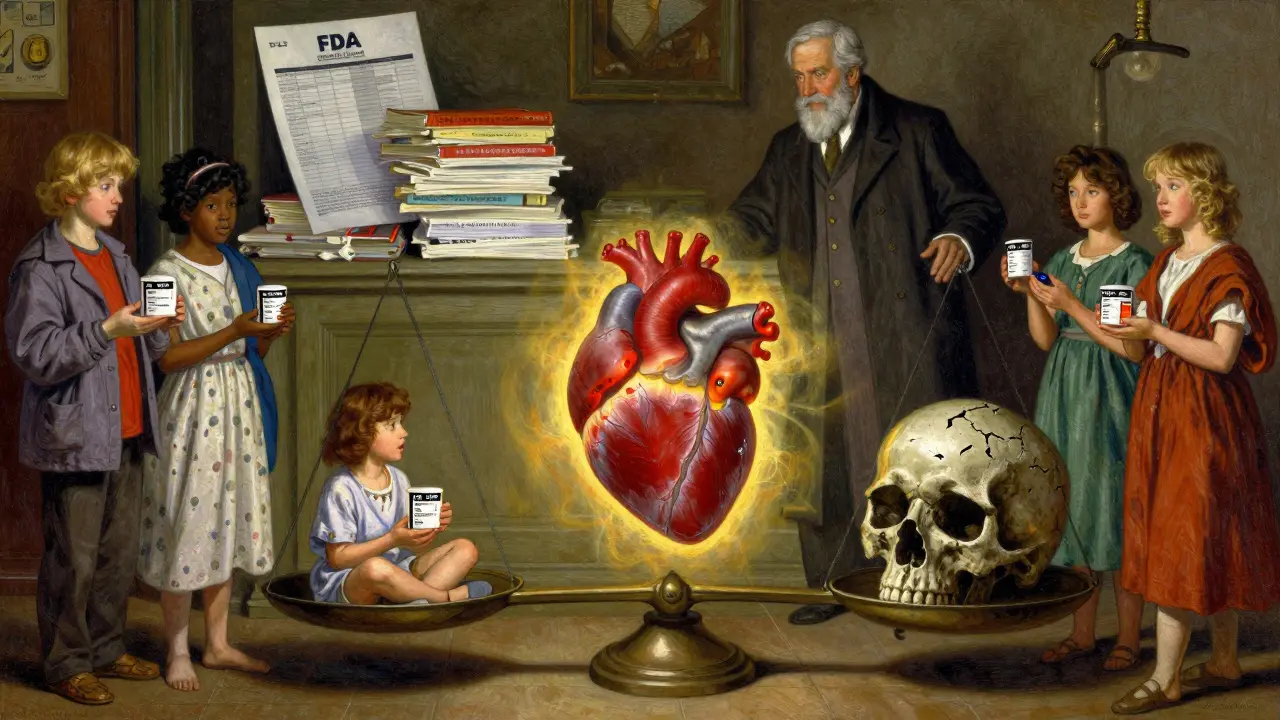
The Bigger Picture: Are Boxed Warnings Working?
Studies show they reduce inappropriate prescribing by 15-25%. That’s good. But they also cause 10-20% of patients to avoid medications they could safely use because doctors are afraid of liability. The FDA knows this. That’s why they launched a pilot program in 2023 to rewrite warnings in plain language. Instead of "Risk of hepatotoxicity," they’re testing: "This drug can damage your liver. We’ll check your liver with a blood test every month." The agency’s Sentinel Initiative now tracks real-time health data from over 300 million Americans. That means future warnings might be faster, more precise, and even personalized. Imagine a warning that says: "For women over 65 with kidney disease, this drug increases risk of collapse by 12%. For men under 40, risk is unchanged." That’s the future.What to Do If You Have a Bad Reaction
If you experience a serious side effect-even if you think it’s unrelated-report it. The FDA’s MedWatch program lets patients file reports online or by phone. In 2022, over 2 million reports came in. Some led to new warnings, updated dosing rules, or even drug withdrawals. You don’t need to prove it was the drug. Just describe what happened, when, and what you were taking. Your report could help someone else avoid the same problem.Final Thought: A Warning Is Not a Death Sentence
A boxed warning doesn’t mean the drug is too dangerous to use. It means the risk is real-and that you and your doctor need to be smart about it. Many people live full, healthy lives on medications with black box warnings because they understood the risks and stayed on top of monitoring. Don’t let fear make your decision for you. Let information do that. Ask the questions. Get the tests. Track your symptoms. Talk to your pharmacist. You’re not just a patient-you’re a partner in your own care.Does a boxed warning mean I can’t take the medication?
No. A boxed warning means the drug carries serious risks that require careful monitoring and discussion with your doctor. Many people take these medications safely because their benefits outweigh the risks. Stopping without medical advice can be more dangerous than continuing.
Why do some drugs have boxed warnings and others don’t, even if they’re similar?
Each drug has a unique chemical structure and how the body processes it. Two drugs in the same class-like different antidepressants-may have different side effect profiles. One might cause liver damage in a small group, while another causes weight gain. The FDA reviews real-world data for each drug individually, so warnings aren’t always the same across similar medications.
Can a boxed warning be removed?
Yes, but it’s rare. If new evidence shows the risk is much lower than originally thought-or if better monitoring makes the risk manageable-the FDA can remove or modify the warning. For example, the boxed warning for the diabetes drug metformin was reduced after studies showed it was safer than previously believed for patients with mild kidney issues.
Are boxed warnings only for prescription drugs?
Mostly yes. Boxed warnings are required on prescription drug labels. Some over-the-counter (OTC) drugs, like high-dose acetaminophen, have strong warnings but not the formal black box format. The FDA reserves black box warnings for the most serious prescription risks.
What if my doctor doesn’t mention the boxed warning?
Ask. It’s your right to know. If your doctor dismisses your concern or seems unaware, request a copy of the drug’s prescribing information or ask to speak with a pharmacist. You should never start a medication with a black box warning without a clear discussion about risks, monitoring, and alternatives.
Phil Hillson
January 19, 2026 AT 02:17Malikah Rajap
January 20, 2026 AT 15:09Jake Rudin
January 22, 2026 AT 13:21sujit paul
January 24, 2026 AT 05:50Tracy Howard
January 24, 2026 AT 17:50Lydia H.
January 25, 2026 AT 11:55Aman Kumar
January 26, 2026 AT 13:24Astha Jain
January 27, 2026 AT 09:25Josh Kenna
January 27, 2026 AT 19:14Erwin Kodiat
January 28, 2026 AT 09:12Valerie DeLoach
January 28, 2026 AT 22:24Christi Steinbeck
January 30, 2026 AT 03:58Jacob Hill
January 31, 2026 AT 20:50Lewis Yeaple
February 1, 2026 AT 10:09