
Benzodiazepines vs. Non-Benzodiazepines: Which Sleep Aid Is Right?
 Apr, 11 2026
Imagine waking up with no memory of the last two hours of your night or, worse, discovering you've performed complex tasks like driving or cooking while fast asleep. For millions of people struggling with sleep disorders, the promise of a good night's rest often leads them to sedative-hypnotics. But as the medical community shifts its stance, the question isn't just about which pill works fastest, but which one carries a risk you're actually willing to take.
Whether you've been prescribed a classic benzodiazepine or a more modern "Z-drug," it's important to understand that these aren't just simple sleep switches. They are powerful central nervous system depressants that fundamentally alter how your brain handles alertness and relaxation. While they can be lifesavers during a short-term crisis, the long-term trade-offs-ranging from memory gaps to an increased risk of hip fractures-are becoming harder for doctors to ignore.
The Basics: What Exactly Are Sedative-Hypnotics?
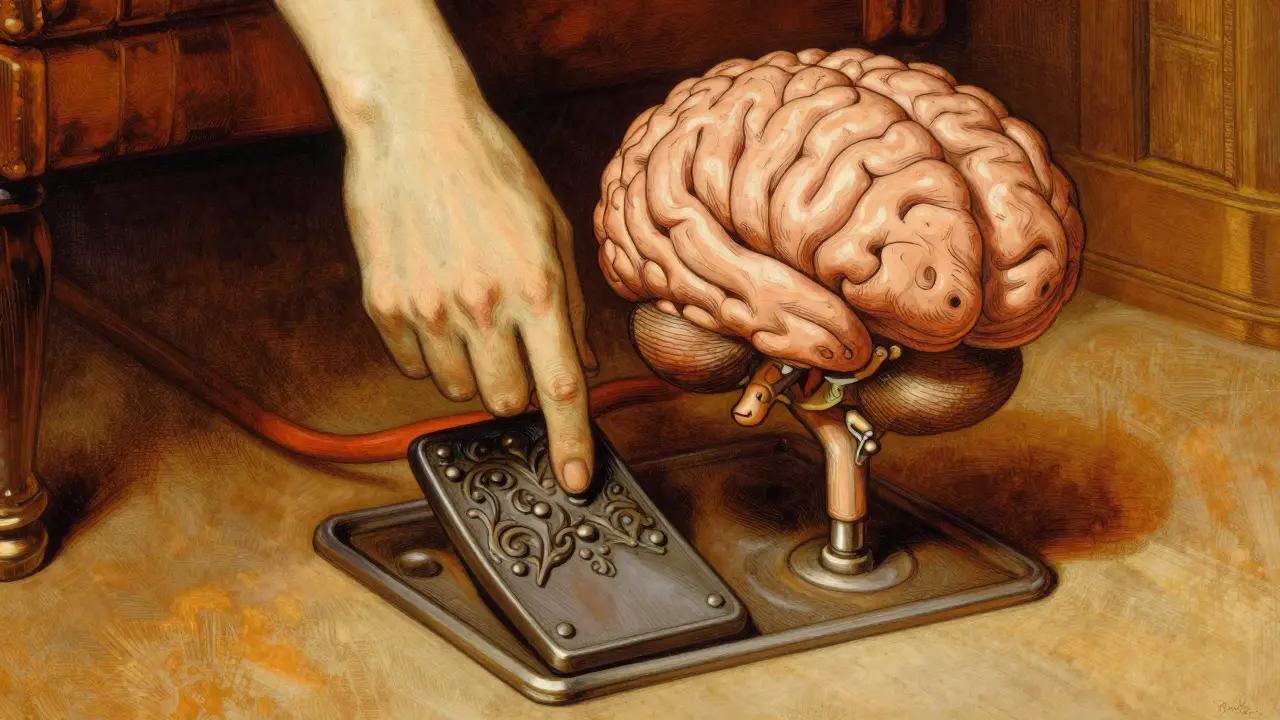
At their core, Sedative-Hypnotics is a class of drugs that depress the central nervous system to produce calming (sedative) and sleep-inducing (hypnotic) effects. They primarily work by enhancing the activity of GABA, a neurotransmitter that tells your brain to slow down. Think of GABA as the brain's natural "brake pedal"; these medications simply push that pedal harder.
Broadly, these are split into two camps: the older benzodiazepines and the newer non-benzodiazepines. While they both target the same general system, they do so with different levels of precision. Benzodiazepines are like a wide-net approach, hitting multiple receptor sites in the brain, which is why they work for both anxiety and sleep. Non-benzodiazepines, often called "Z-drugs," are designed to be more like a sniper, targeting specific receptors (the omega-1 subtype) to trigger sleep without as much of the general "drunken" feeling associated with older drugs.
Benzodiazepines: The Heavy Hitters
Benzodiazepines is a class of psychoactive drugs developed in the 1950s and 60s that enhance GABA activity to treat anxiety and insomnia. You might recognize names like Triazolam, Temazepam, or Flurazepam. Because they are broad-spectrum, they are often used when a patient has both a severe anxiety disorder and chronic insomnia.
The real issue with benzodiazepines is their variety in "half-life"-the time it takes for the concentration of the drug in your body to reduce by half. For instance, Triazolam is short-acting (1.5-5.5 hours), meaning you wake up relatively clean. On the flip side, Flurazepam can stay in your system for up to 250 hours. This accumulation can lead to a "hangover" effect, where you feel sluggish and mentally foggy throughout the next day, significantly impairing your ability to drive or work.
Beyond the daytime grogginess, the withdrawal from benzodiazepines is notoriously brutal. Some users have reported severe panic attacks and physical tremors after trying to quit, making these drugs potentially life-threatening if stopped abruptly without a slow, medically supervised taper.
Non-Benzodiazepines: The "Z-Drugs"
Non-Benzodiazepines is a group of sedative-hypnotics, including Zolpidem and Eszopiclone, designed to selectively target sleep receptors with a lower risk of muscle relaxation and anxiety reduction. These emerged in the 80s and 90s as a "safer" alternative. If you've ever heard of Ambien (Zolpidem), Lunesta (Eszopiclone), or Sonata (Zaleplon), you're talking about Z-drugs.
Because they are more selective, they theoretically offer a cleaner sleep-wake cycle. Zolpidem, for example, has a short half-life (1.6-4.5 hours), which is why it's often preferred for people who just need help falling asleep. However, "selective" doesn't mean "side-effect free." Z-drugs are famously linked to complex sleep behaviors. There are documented cases of people sleep-driving or cooking entire meals and having no memory of it the next morning. In fact, Zolpidem has been implicated in a huge portion of FDA-reported sleep-driving incidents.
| Feature | Benzodiazepines | Non-Benzodiazepines |
|---|---|---|
| Primary Use | Insomnia, Anxiety, Seizures | Insomnia only |
| Receptor Target | Multiple GABA-A sites | Selective Omega-1 receptor |
| Half-Life Range | Very Short to Very Long | Generally Short to Medium |
| Withdrawal Risk | High / Potentially Severe | Moderate to Low |
| Unique Risks | Daytime cognitive impairment | Complex sleep behaviors (sleep-walking) |

The Hidden Dangers: Memory, Falls, and Breathing
Whether you use a Z-drug or a classic benzo, there are risks that apply to both. One of the most concerning is the effect on the elderly. For those over 65, these medications aren't just "sleep aids"; they are fall risks. Data shows that benzodiazepines increase the risk of hip fractures by 2.3-fold, while non-benzodiazepines increase it by 1.8-fold. When you combine impaired balance with a midnight trip to the bathroom, the results are often catastrophic.
Then there is the "cognitive tax." The VA Academic Detailing Service has pointed out a staggering 5-fold higher risk of memory and concentration problems for those using these drugs. You might feel like you're sleeping more, but the quality of that sleep is often artificial, and the resulting daytime fatigue (4-fold higher risk) can make you feel like you're walking through a fog.
Perhaps most critically, these drugs can be dangerous for people with Sleep Apnea. Because they depress the central nervous system, they can further suppress the drive to breathe during sleep, potentially worsening apnea and increasing the risk of cardiac ischemia or hypertension. If you snore loudly or wake up gasping, a sedative-hypnotic could be doing more harm than good.
Practical Reality: Tolerance and the "Trap"
Many people start these medications for a two-week vacation or a stressful month at work. But the brain is incredibly adaptable. Within a short time, you develop tolerance-meaning the 5mg dose that once knocked you out now does nothing. This leads to dose escalation, and as you increase the dose, the likelihood of complex sleep behaviors and severe next-day impairment skyrockets.
Community reports from insomnia sufferers suggest that for many, Z-drugs stop working entirely within a few weeks. This creates a frustrating cycle where patients jump from one drug to another, never addressing the root cause of their insomnia. This is why clinical guidelines now suggest limiting these drugs to a very short window-typically 2 to 4 weeks-rather than months or years.

Moving Toward Better Alternatives
The medical consensus is shifting away from "pill-first" insomnia treatment. The American Academy of Sleep Medicine now pushes Cognitive Behavioral Therapy for Insomnia (CBT-I) as the first-line treatment. Unlike a pill, CBT-I addresses the psychological and behavioral patterns that keep you awake, providing a long-term cure rather than a temporary chemical mask.
For those who absolutely require medication, newer options like Orexin Receptor Antagonists (such as Suvorexant or Lemborexant) are showing promise. Instead of pushing the brain's "brake pedal" (GABA), these drugs block the "wakefulness" signal (Orexin), which can result in significantly lower rates of next-day impairment and less risk of addiction.
Can I mix sleeping pills with alcohol?
Absolutely not. Even a small amount of alcohol can dangerously potentiate the effects of both benzodiazepines and non-benzodiazepines. This combination can lead to severely depressed breathing, extreme sedation, and in some cases, it can be fatal.
Why do I feel so tired the next morning?
This is often due to the drug's half-life. Long-acting drugs like Flurazepam accumulate in your system over several days, leading to persistent daytime drowsiness. Even short-acting drugs can cause "residual effects" that impair your driving and cognitive abilities the next morning.
What are "complex sleep behaviors"?
These are activities you perform while you are technically asleep but appearing awake. Common examples include sleep-driving, sleep-eating, or making phone calls. These are most common with non-benzodiazepines like Zolpidem (Ambien).
How do I stop taking these medications safely?
Never stop a sedative-hypnotic cold turkey, especially benzodiazepines, as this can cause severe withdrawal and panic attacks. A doctor typically recommends a slow taper-reducing the dose by about 10% every one to two weeks-to allow the brain to readjust.
Are Z-drugs actually safer than benzodiazepines?
While they have a lower risk of severe withdrawal and a more targeted action on the brain, long-term safety studies show no significant difference in overall outcomes. Both increase the risk of falls, memory impairment, and dependency if used long-term.
Next Steps and Troubleshooting
If you are currently taking one of these medications and feeling the "fog," don't panic, but do take action. First, review your medication guide-though they can be confusing, they outline the critical warnings. If you've noticed a dip in your memory or an increase in clumsiness, it's time to talk to your doctor about a tapering plan.
For those just starting a treatment plan for insomnia, ask your provider about CBT-I. It takes more effort than swallowing a pill, but it's the only way to truly "fix" the sleep mechanism rather than just sedating the brain. If you have a history of snoring or waking up gasping, insist on a sleep apnea screen before starting any sedative-hypnotic, as the risks to your breathing could be life-threatening.