
Addressing Patient Concerns About Generic Medications: Common Questions Answered
 Jan, 26 2026
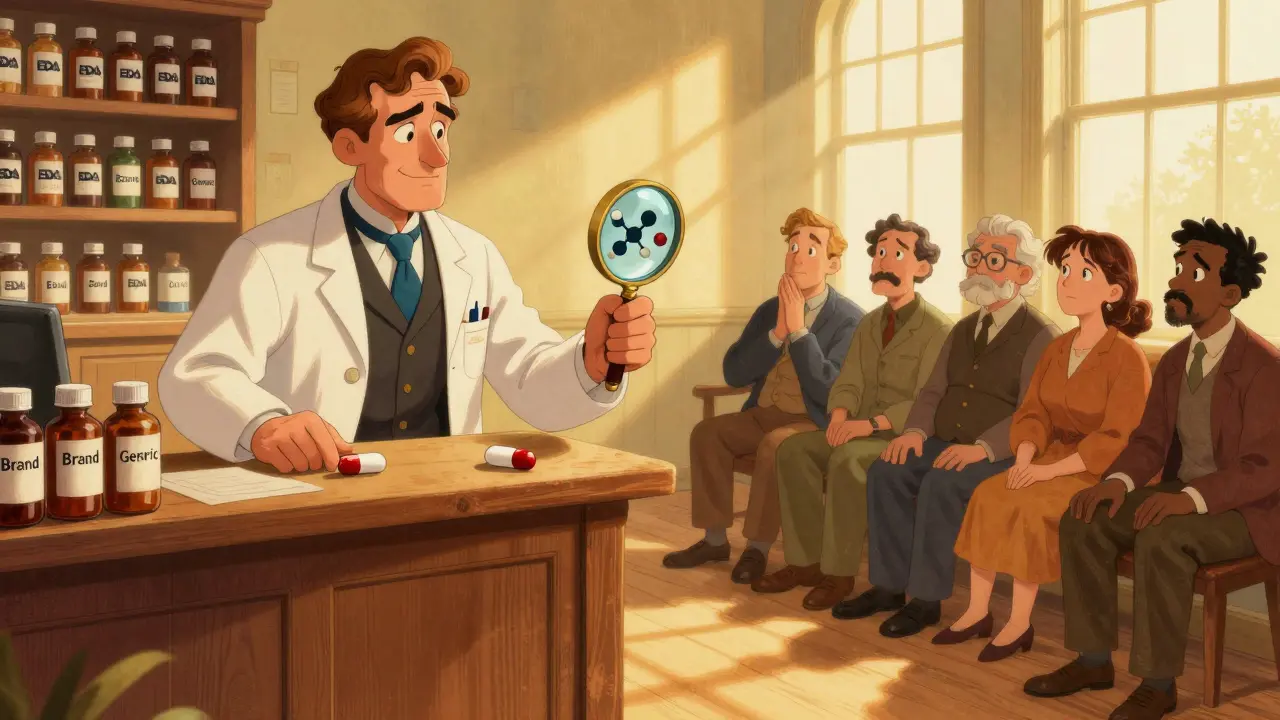
More than 9 out of 10 prescriptions filled in the U.S. are for generic drugs. Yet, many patients still worry they’re getting something less effective, less safe, or even fake. If you’ve ever hesitated to pick up a generic prescription because you weren’t sure it would work the same, you’re not alone. The truth? Generic medications are just as reliable as brand-name ones - but only if you understand how they’re made, regulated, and tested.
Are generic drugs really the same as brand-name drugs?
Yes. By law, a generic drug must contain the same active ingredient, in the same strength, and work the same way in your body as the brand-name version. The U.S. Food and Drug Administration (FDA) doesn’t approve a generic drug unless it meets strict standards for bioequivalence. That means the amount of medicine your body absorbs from the generic version must fall between 80% and 125% of what it absorbs from the brand-name drug. That’s not a wide gap - it’s a tight, scientifically proven range.
Think of it like two identical cars with the same engine. One is made by the original manufacturer, the other by a different company. They both use the same fuel, produce the same power, and run the same way. The only differences? The color, the logo, and the price. Generic drugs may look different - different shape, color, or coating - because they use different inactive ingredients like fillers or dyes. But those don’t affect how the medicine works.
Do generic drugs cause more side effects?
No - but some people think they do. A 2014 survey of 753 patients with chronic illnesses found that 16% still believed generics caused more side effects. Why? Often, it’s confusion between side effects and changes in how the body reacts to a new pill.
When you switch from a brand-name drug to a generic, your body might notice a change in how the pill looks or tastes. That can trigger anxiety, which sometimes shows up as headaches, dizziness, or nausea - not because the medicine is different, but because your mind expects it to be. One rural patient described it this way: “They have more in it to make it stronger.” That’s a myth. Generics don’t contain more active ingredient. They contain exactly the same amount.
Also, side effects aren’t caused by whether a drug is generic or brand-name. They’re caused by the active ingredient itself. If you had nausea on the brand-name version, you’ll likely have it on the generic too. If you didn’t, you probably won’t get it from the generic. If you notice new side effects after switching, talk to your pharmacist or doctor - but don’t assume it’s because the drug is generic.
Can generic drugs be counterfeit or fake?
No. In the U.S., every generic drug must go through the same rigorous approval process as brand-name drugs. The FDA inspects manufacturing facilities - whether they make brand-name or generic drugs - and requires proof that every batch meets quality, purity, and strength standards. In fact, about half of all generic drugs are made by the same companies that make the brand-name versions.
Counterfeit drugs are a real problem in some countries, but not in the U.S. supply chain. Legitimate pharmacies, hospitals, and mail-order services get their drugs from FDA-approved sources. If you’re buying from a licensed pharmacy - whether online or in person - your generic drug is safe.
Why are generic drugs so much cheaper?
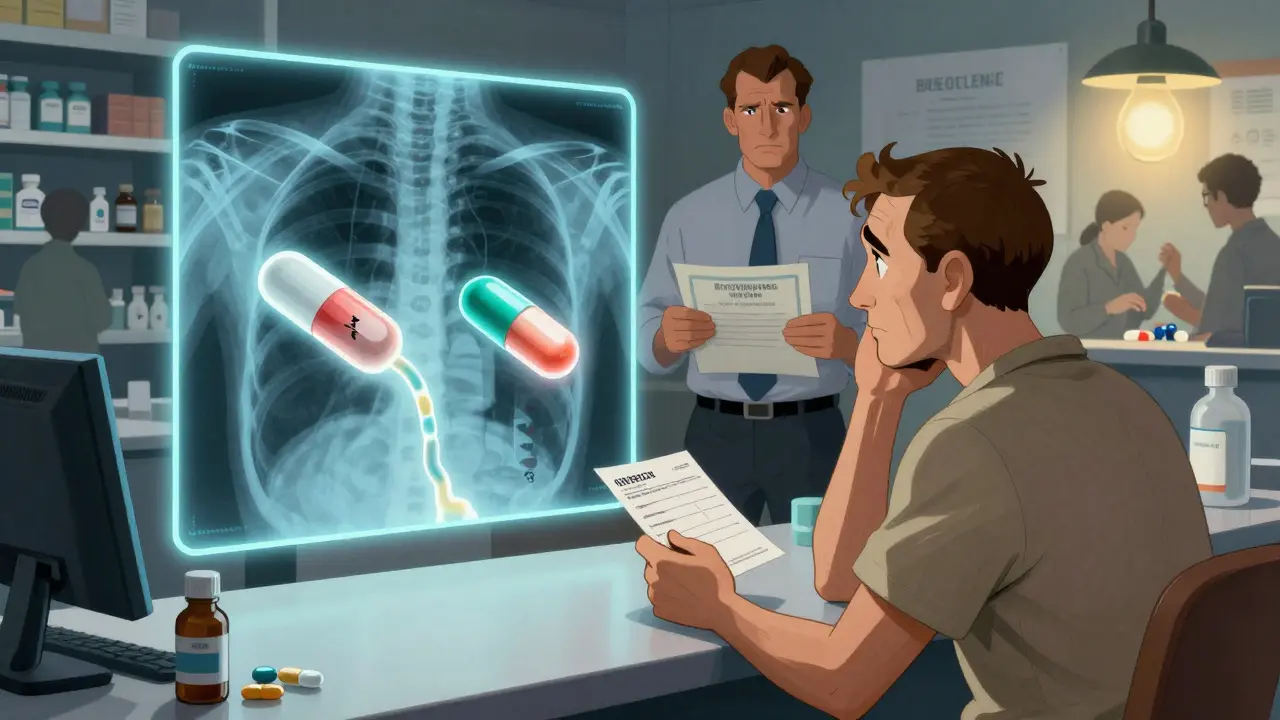
Because they don’t have to repeat expensive clinical trials. When a brand-name drug is first developed, the company spends years and hundreds of millions of dollars on research, testing, and approval. Once the patent expires, other companies can make the same drug - but they only need to prove it works the same way in the body. That’s called bioequivalence testing. It’s faster, simpler, and far less costly.
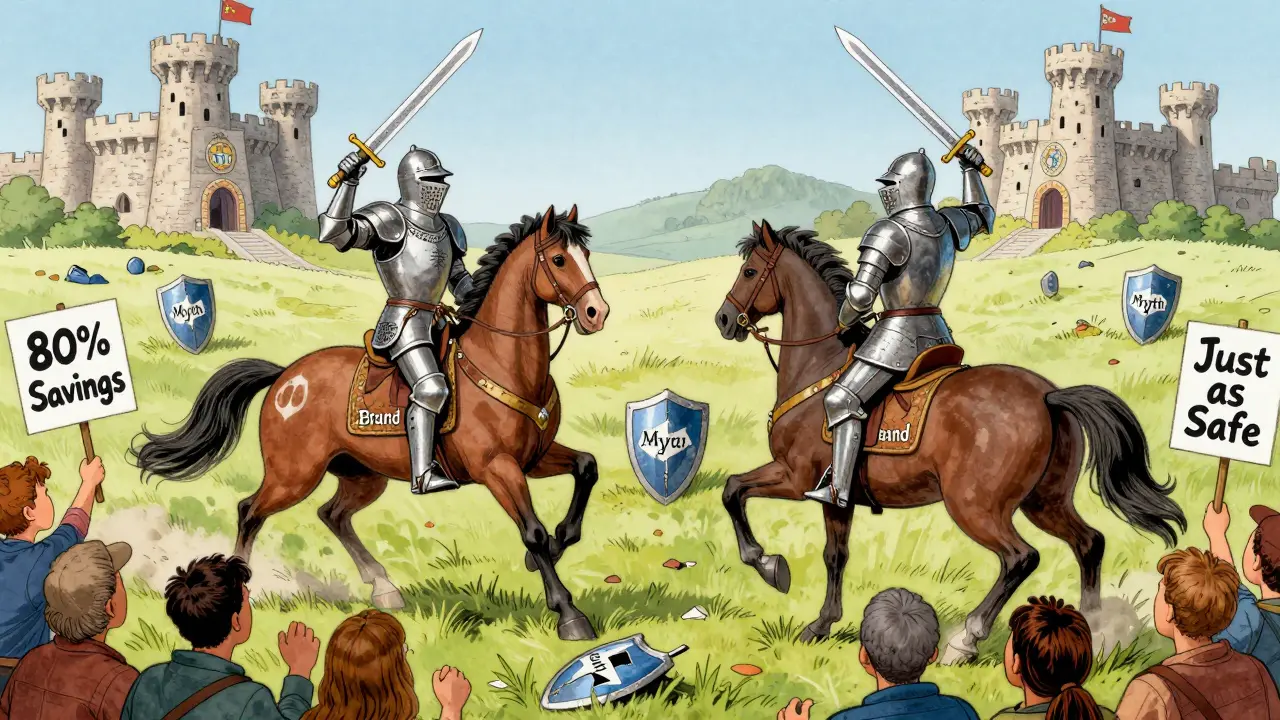
Plus, once multiple companies start making the same generic, competition kicks in. Prices drop even more. On average, generics cost 80% to 85% less than brand-name drugs. Over the past decade, generic drugs have saved the U.S. healthcare system more than $2.2 trillion. That’s about $442 saved per prescription, on average.
Are there any drugs where generics aren’t recommended?
Yes - but it’s rare. Some medications have what’s called a “narrow therapeutic index.” That means the difference between a helpful dose and a dangerous one is very small. For these drugs, even tiny changes in how your body absorbs the medicine can matter. Examples include:
- Warfarin (a blood thinner)
- Levothyroxine (for thyroid conditions)
- Phenytoin and levetiracetam (for seizures)
For these, doctors may choose to keep you on the same version - brand or generic - to avoid any risk of fluctuation. But that doesn’t mean generics are unsafe. It just means your doctor wants to keep things consistent. If you’re on one of these drugs and your pharmacist switches your prescription to a different generic, your doctor should be notified. Always let your provider know if you notice changes in how you feel after a switch.
Why do some people prefer brand-name drugs?
It’s not always about science. Cultural beliefs, past experiences, and misinformation play a big role. A 2014 study found that non-Caucasian patients were significantly more likely to ask for brand-name drugs - 56% compared to 43% of Caucasian patients. In rural areas, people often hear stories from friends or family: “My cousin took a generic and felt awful.” Those stories stick, even if they’re not backed by data.
Also, many patients don’t realize that pharmacists are allowed to substitute generics unless the doctor writes “Do not substitute.” In many cases, you’re getting a generic without even knowing it. If you prefer the brand-name version, you can always ask - but you may pay more.
What should you do if you’re unsure about a generic?
Ask questions. Don’t be shy. Your pharmacist is trained to explain these things - and they see this concern every day.
Here’s what to do:
- Check the label. Generic drugs are clearly labeled with the active ingredient name. Compare it to your old prescription.
- Ask your pharmacist: “Is this the same medicine as before?” They can show you the FDA’s bioequivalence data if needed.
- Don’t assume a change in how you feel is due to the generic. Keep a short journal: When did the change happen? What symptoms? Did you start a new medication? Did your sleep or diet change?
- If you’re worried, talk to your doctor. But don’t stop taking your medicine. Many side effects fade after a few days.
For patients on chronic medications - like high blood pressure, diabetes, or depression - sticking with your treatment plan matters more than whether it’s generic or brand. Studies show that people who switch to generics often stick with their treatment better because they can afford it.
What’s the bottom line?
Generic drugs are safe, effective, and rigorously tested. They’re not second-rate. They’re not cheaper because they’re worse - they’re cheaper because they don’t need to repeat expensive research. The FDA, Kaiser Permanente, Cedars-Sinai, and Pharmacy Times all agree: generics work just like brand-name drugs.
Yes, a few medications need extra care when switching. Yes, some people feel uneasy about the change. But the science is clear. And the savings? Massive.
If you’re on a generic and feel fine - keep taking it. If you’re unsure, talk to your pharmacist. They’re your best resource for understanding what’s in your medicine - and why it works.
Are generic drugs as effective as brand-name drugs?
Yes. Generic drugs must meet the same FDA standards for strength, purity, and effectiveness as brand-name drugs. They contain the same active ingredient and are proven to work the same way in the body through bioequivalence testing. Over 90% of prescriptions in the U.S. are filled with generics because they’re just as effective.
Do generic drugs cause more side effects?
No. Side effects come from the active ingredient, not whether the drug is generic or brand-name. If you had side effects on the brand, you’ll likely have them on the generic too. Sometimes, people feel worse after switching because they expect to - not because the medicine changed. If new side effects appear, talk to your pharmacist or doctor, but don’t assume it’s because the drug is generic.
Can I trust that generic drugs contain the right amount of medicine?
Absolutely. The FDA requires every batch of generic drugs to meet exact standards for active ingredient content. Manufacturers must prove that each pill contains the correct amount, and the FDA inspects factories regularly. Generic drugs are not diluted or weakened - they’re held to the same quality rules as brand-name drugs.
Why do generic drugs look different?
Generic drugs can look different because they use different inactive ingredients - like fillers, dyes, or coatings - to make the pill stable or easier to swallow. These don’t affect how the medicine works. The active ingredient is identical. The FDA allows these differences as long as the drug performs the same in the body.
Are there any drugs where I should avoid generics?
For most drugs, generics are safe. But for medications with a narrow therapeutic index - like warfarin, levothyroxine, or certain seizure drugs - even small changes in absorption can matter. Your doctor may recommend sticking with one version to avoid fluctuations. If you’re on one of these, always check with your provider before switching.
Can pharmacists substitute generics without telling me?
Yes - unless your doctor writes “Do not substitute” on the prescription. In most states, pharmacists can legally switch to a generic version to save you money. You may not even know you’re getting a generic unless you check the label. If you prefer the brand-name version, ask for it - but be prepared to pay more.
Why do some people believe generics are inferior?
Misinformation, personal stories, and cultural beliefs play a big role. Some people assume cheaper means lower quality. Others hear from friends who had bad experiences - but those experiences may be unrelated to the drug itself. Studies show that non-Caucasian and rural patients are more likely to distrust generics, often due to lack of clear communication. Talking to a pharmacist can help clear up these myths.
Will switching to a generic affect my insurance coverage?
Usually, it helps. Most insurance plans require you to try generics first before covering brand-name drugs. If you refuse a generic, you might pay much more out of pocket. Some plans even refuse to cover brand-name versions unless your doctor proves the generic won’t work for you.
What’s next if you’re still unsure?
Keep taking your medication. Don’t stop because you’re worried. If you’re still hesitant, schedule a short appointment with your pharmacist. They can walk you through the FDA’s testing process, show you the label, and explain why your drug is safe. Many patients feel better once they understand the facts.
Generic drugs aren’t a compromise. They’re a smart, safe, and proven choice - for your health and your wallet. The evidence is clear. The system works. And millions of people take them every day without issue.
Katie Mccreary
January 26, 2026 AT 23:55I took a generic for my blood pressure and felt like a zombie for a week. Turned out my pharmacist switched me without telling me. Now I only take brand-name. No thanks.
SRI GUNTORO
January 27, 2026 AT 00:38People in India know better than to trust Western generics. Many are made in factories with rats in the walls. You think the FDA checks everything? Please. Money talks, not science.
Kevin Kennett
January 28, 2026 AT 03:04Bro, this is such a needed post. I’ve been telling my patients for years: generics are not second-class. The FDA doesn’t cut corners. If you’re scared, ask your pharmacist to show you the bioequivalence report. It’s right there. No drama. Just data.
Also, if you’re paying more for a brand-name because you’re scared of generics, you’re literally throwing money away. That’s money you could use for food, rent, or therapy. Priorities.
Jess Bevis
January 29, 2026 AT 14:50My grandma in Texas swears generics gave her migraines. Turns out she switched from blue pills to white ones. Same drug. Different dye. Her brain did the rest.
Rose Palmer
January 29, 2026 AT 16:36It is imperative that patients be afforded the opportunity to engage in informed decision-making regarding pharmaceutical substitution. The regulatory framework established by the U.S. Food and Drug Administration is both rigorous and scientifically robust. To opt out of generic medications without clinical justification constitutes a potential erosion of public health equity.
Howard Esakov
January 31, 2026 AT 12:43Wow. So you’re telling me I’m supposed to trust a pill that costs 15 bucks instead of 150? 🤡 I’ve got a PhD in chemistry. I know how shortcuts work. Generics? More like generic *luck*.
Kathy Scaman
February 1, 2026 AT 23:48My pharmacist just handed me a generic for my antidepressant and I didn’t even notice until I looked at the receipt. I felt the same. No drama. Saved me $80. Win.
Mindee Coulter
February 2, 2026 AT 10:24Same drug same dose same results why are we even talking about this
Rhiannon Bosse
February 3, 2026 AT 04:28Have you seen the FDA inspection reports? Half the generic factories are in India and China. One guy got caught selling fake warfarin with sugar in it. They just cover it up. The government’s in on it. You think they care if you die? They get paid either way.
And don’t even get me started on the dye. That’s not just filler - it’s a chemical trigger. I know someone who went into a coma after switching to a generic. They said it was ‘anxiety’ - yeah right. It was the blue dye. I’m telling you, they’re poisoning us slowly.
Lance Long
February 4, 2026 AT 01:03I used to be scared of generics too. I thought they were like knockoff sneakers - looks the same, but falls apart in a week.
Then I switched my thyroid med. I was terrified. I tracked my symptoms for two weeks. Nothing changed. Same energy. Same mood. Same sleep.
Turns out my fear was the only thing that was different.
Now I tell everyone: don’t let your brain sabotage your health. The science is on your side. You’re not being cheap - you’re being smart.
And if your doctor says stick with brand? Cool. But ask why. Sometimes it’s just habit. Not science.
Amber Daugs
February 5, 2026 AT 13:29People who take generics are just lazy. If you can’t afford the brand-name, maybe you shouldn’t be taking the medicine at all. Your body deserves better than cheap substitutes. This is healthcare, not Walmart.
Robert Cardoso
February 6, 2026 AT 08:49The entire premise of bioequivalence is a statistical illusion. The 80-125% range is a regulatory loophole masquerading as science. Real equivalence would require 99.9% consistency - not a 45% window. We’ve normalized mediocrity in medicine because we’ve normalized profit over patient safety.
And don’t get me started on the placebo effect being weaponized to explain away side effects. That’s not science. That’s psychological coercion.
James Dwyer
February 6, 2026 AT 19:54My dad’s been on a generic for diabetes for 8 years. Still kicking. Still healthy. Still saving hundreds every month. If you’re still worried, talk to your pharmacist - they’re the real MVPs.